

You stare at expensive retail showrooms and wish you could sell beautiful pieces without spending your life savings on rent.
Fear of buying the wrong inventory or needing massive warehouse space keeps you paralyzed. You can start a home decor business today using just your smartphone and a very small budget.
You will see the exact blueprint one creator used to build a six figure revenue stream. We cover finding profitable inventory, mastering simple phone photography, and shipping daily orders.
Choose Your Core Product Model
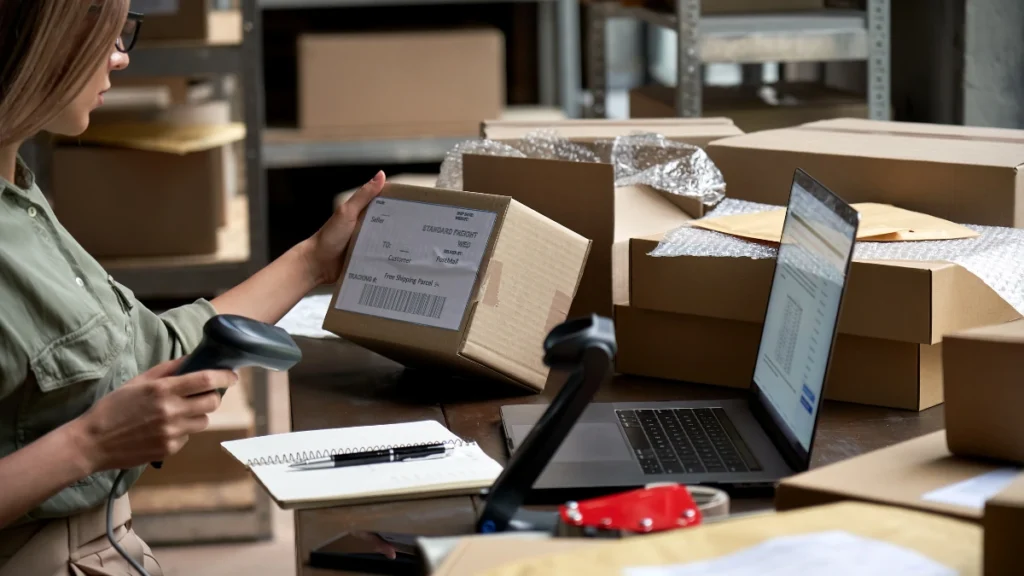
The biggest fear when launching an online retail shop is buying inventory that nobody wants. You picture boxes of unsold pillows sitting in your garage gathering dust. You must pick a specific business model before spending a single dollar.
There are three main ways to build your initial inventory. Dropshipping allows you to sell products that a third party stores and ships for you. This requires zero upfront cost for physical goods. You only pay for a product after a customer pays you.
The downside of dropshipping is the low return. You have very little control over the shipping times or packaging quality. Your margins stay incredibly slim because the supplier does most of the heavy lifting.
Curating wholesale items involves buying new products in bulk at a discount. You then sell these items individually at full retail price. The average profit margin for retail home goods is 50 percent according to standard retail markup practices.
Wholesale requires cash upfront to purchase the bulk orders. You also need space to store the inventory while you wait for it to sell. This model works best once you know exactly what your audience wants to buy.
Flipping vintage goods offers the highest potential return on your initial investment. You hunt for unique secondhand pieces and resell them for a premium. This model requires a lot of your time but very little money.
A recent Bankrate survey found that the average creative side hustle brings in $800 per month. Vintage flipping helps you reach that number quickly with low risk. You only buy items you can afford right now.
You must choose one model to master first. Trying to learn dropshipping while hunting for vintage goods will leave you exhausted. Pick the method that matches your current budget and available time.
| Sourcing Method | Initial Investment | Average Profit Margin | Time Commitment |
| Dropshipping | Low | 15 to 25 percent | Low |
| Wholesale Buying | $500 to $1,000 | 40 to 60 percent | Medium |
| Vintage Flipping | $50 to $200 | 60 to 80 percent | High |
Vintage flipping builds the highest initial margins and trains your design eye. Once you pick your model, you need to find the actual goods.
Source High Margin Home Goods
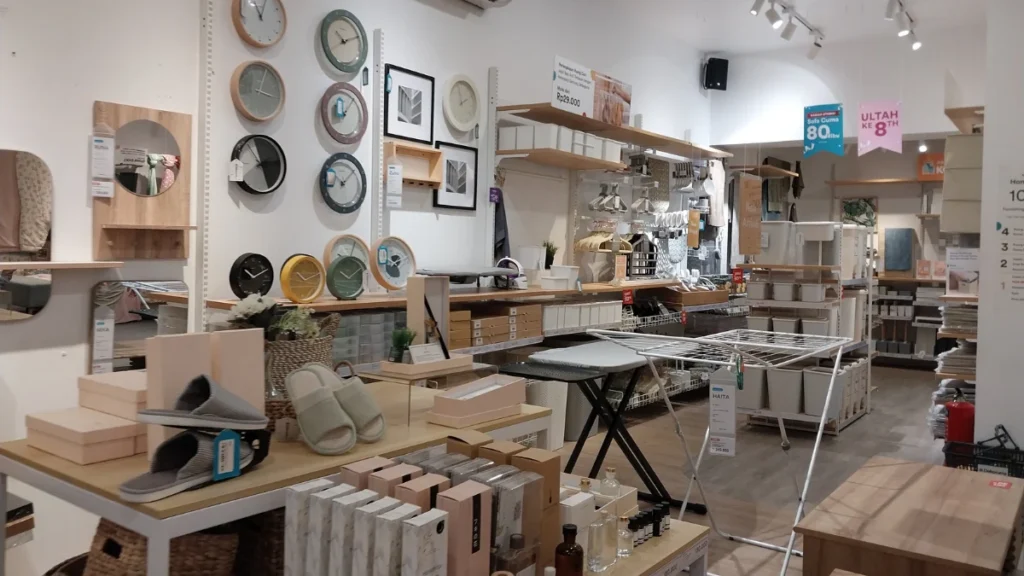
Imagine finding a dusty ceramic vase at a garage sale for $10 and selling it online for $50 the very next day. This happens constantly when you know exactly where to look. Sourcing is a skill you can develop quickly.
Local estate sales are goldmines for unique interior pieces. Estate sale shoppers spend an average of 1.5 billion annually according to National Estate Sales Association data. You can find solid wood furniture, vintage rugs, and pristine brass decor at huge discounts.
Introduce yourself to the managers running these estate sales. They often discount items heavily on the final day of the sale just to clear the house. Building a good relationship means they might text you when they find pieces matching your style.
If you choose the wholesale route, online marketplaces make sourcing incredibly simple. Faire is a massive platform connecting independent retailers with thousands of wholesale brands. You can browse candles, textiles, and ceramics from your couch.
Faire often offers net payment terms for new businesses. This means you can order inventory now and pay for it 60 days later. This allows you to sell the items and generate cash before your bill is due.
Quality control is vital regardless of where you find your inventory. Check every single vintage item for chips, cracks, or strange odors. Test wholesale candles to ensure they burn evenly and smell exactly as described.
Your audience relies on you to curate the best pieces. Interior design expert Shea McGee often notes the power of starting small. She advises starting with a highly curated collection of small goods rather than filling a massive warehouse.
Pay attention to what people actually search for online. Search trend growth for vintage home decor has skyrocketed over the last year. Buyers want unique character rather than mass produced items that everyone else owns.
Here are the top three places to source inventory locally:
Sourcing Secrets
Curated by The Plan Decor
Sunday Liquidations
Target local estate sales specifically on Sunday afternoons. This is traditionally when liquidators slash prices drastically to clear out remaining inventory.
Affluent Neighborhoods
Focus your search on independent thrift stores located in affluent zip codes. These locations consistently receive higher-quality, designer, and well-maintained donations.
Relocation Marketplaces
Monitor online local marketplaces for listings where people are moving out of state. Sellers under strict moving deadlines are highly motivated to negotiate low prices for quick pickups.
Finding the items is only half the battle. You must learn how to make those cheap thrift store finds look expensive on screen.
Shoot Professional Photos on Your Phone

You do not need a massive DSLR camera or expensive lenses to sell home decor online. The smartphone sitting in your pocket is entirely capable of capturing magazine quality images. You just need to understand basic lighting and composition.
Natural light is your most powerful photography tool. Turn off every overhead artificial light in your room before you start shooting. Artificial bulbs cast ugly yellow shadows that distort the true colors of your products.
Set up a small table right next to your largest window. The soft morning light provides the perfect bright environment for styling small decor pieces. Midday direct sunlight works well if you want dramatic shadows and high contrast.
Angles matter when photographing interior products. Shoot small tabletop items straight on at eye level to show their true shape. Take photos from directly above when styling flat lays of textiles or small decorative objects.
Listings with high quality photos sell 35 percent faster on visual platforms. Buyers cannot touch or feel your products through a screen. Your photos must communicate the texture, weight, and quality of the item instantly.
You must edit your photos to create a cohesive aesthetic grid on social media. Lightroom Mobile is a free application that allows you to adjust brightness, contrast, and color temperature. You can save your specific editing settings as a preset to apply to future photos.
A cohesive grid builds immense trust with new visitors. When someone clicks your profile, they should instantly understand your brand style. Consistent editing transforms a random collection of products into an actual brand experience.
Professional photographer Jane Smith shares a crucial phone photography tip. She says you must wipe your phone lens with a microfiber cloth before every single shoot. Smudges and pocket lint ruin more photos than bad lighting ever will.
| Lighting Condition | Phone Camera Setting | Best For |
| Bright Indirect Sunlight | Standard Photo Mode | Vases and small tabletop items |
| Direct Harsh Sun | Portrait Mode | Adding dramatic shadows to textures |
| Low Light Room | Night Mode or Exposure +1 | Large furniture pieces |
Great photos will stop the scroll, but words close the sale. You need a strategy to get those beautiful images in front of the right buyers.
Build an Audience That Buys

Many new sellers believe they need ten thousand followers before they can make a single sale. This is a complete myth that stops people from starting. You only need a small group of highly engaged buyers to generate consistent revenue.
You must commit to a daily posting schedule to build momentum. Consistency signals to the social media algorithms that your account is active and valuable. Aim to post one high quality piece of content every single day when starting out.
Short form video content is currently the fastest way to grow your account. Video content generates 1200 percent more shares than text and static images combined according to Social Media Today. The platform pushes videos to people who do not follow you yet.
Instagram growth expert Brock Johnson emphasizes the power of these short videos. He notes that Reels are the best tool available to reach non followers consistently. You can film simple behind the scenes videos showing how you source or package orders.
Your captions must do the heavy lifting to convert a follower into a buyer. Do not just post an emoji and a price tag. Tell the story of the product, explain how to style it, and clearly state how to purchase.
Strategic hashtags help buyers find your specific products. Pin volume and search interest spike for terms like neutral aesthetic bedroom during early fall. Use descriptive tags that describe the exact item and the aesthetic it fits.
Location tags are incredibly useful if you sell large vintage furniture. People often search local tags to find items they can pick up nearby to avoid shipping fees. Tag your specific city and surrounding popular neighborhoods in every post.
Here is a daily engagement checklist to grow your audience:
- Reply to every single comment left on your posts within the first hour.
- Spend ten minutes leaving genuine comments on accounts matching your aesthetic.
- Post three behind the scenes updates to your daily stories.
- Direct message new followers to welcome them and ask what styles they love.
When those followers finally purchase, your real work begins. You must pack the order perfectly to ensure they buy from you again.
Box and Ship Your Orders
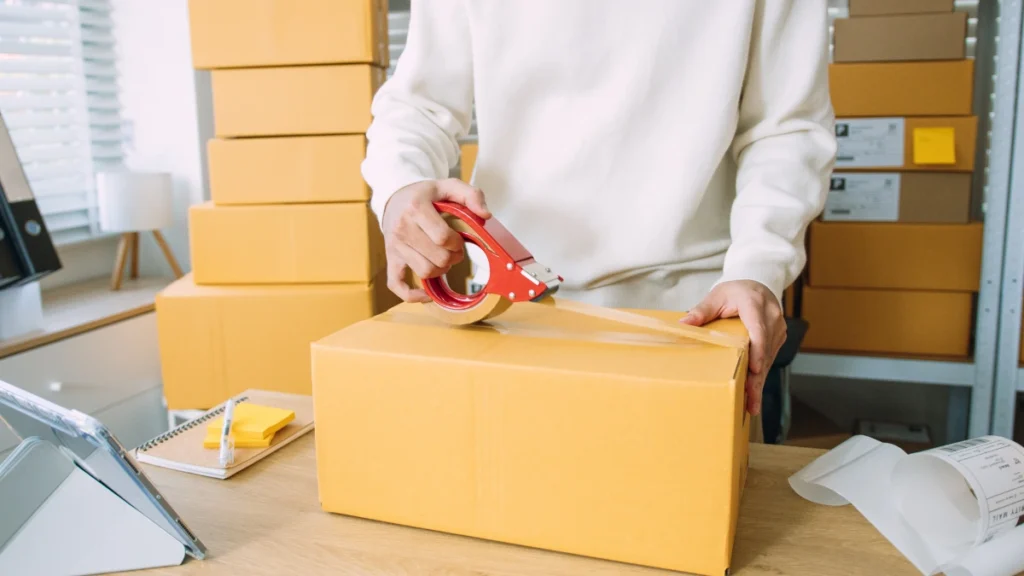
The notification of your first sale brings a massive rush of excitement. This feeling is immediately followed by the sheer panic of figuring out how to ship a fragile item. Securing your products properly is the most important part of retail logistics.
You must invest in proper shipping supplies to protect your inventory. Vendors like Uline or EcoEnclose offer bulk discounts on sturdy corrugated boxes and protective wrap. Do not use random grocery store boxes if you want to look like a professional business.
The unboxing experience serves as a powerful marketing tool for your new brand. Wrap the item in crisp tissue paper and seal it with a branded sticker. Include a handwritten thank you note mentioning the customer by name.
Data proves that beautiful packaging drives future sales. Dotcom Distribution reports that 40 percent of online shoppers will share an image of their purchase if it comes in premium packaging. This provides free word of mouth marketing for your business.
Shipping costs eat into your profit margins quickly if you are not careful. You must calculate accurate package weights before listing an item for sale. Invest $20 in a digital shipping scale to weigh your boxed items at home.
Never buy postage directly at the retail post office counter. Use online software like Pirate Ship to access deeply discounted commercial shipping rates. The cost to ship a standard two pound package across the country drops to $8–$14 using these services.
Sometimes items break during transit despite your best packing efforts. Have a customer service reply ready for these moments. Apologize immediately, request photos of the damage for insurance, and offer a full refund or replacement.
Nailing this process gives you the freedom to grow. A smooth shipping routine means you spend less time taping boxes and more time sourcing products.
Scale Your Sales to Six Figures

Eventually you will outgrow your living room floor. You will find yourself stepping over stacks of cardboard boxes just to reach your kitchen. This chaos is the best indicator that your side hustle is becoming a real business.
Selling directly through social media messages works perfectly in the beginning. However, manual invoicing limits how many orders you can process daily. You must eventually transition to a dedicated e-commerce website to automate the checkout process.
A dedicated website handles inventory tracking and sales tax calculations automatically. This frees up hours of your week previously spent writing manual invoices. You simply wake up, print the paid shipping labels, and pack the orders.
Scaling often requires hiring help for repetitive administrative tasks. You can hire virtual assistants to manage your customer service emails or schedule your social media posts. Delegating these tasks allows you to focus purely on sourcing and creative direction.
Expanding your product lines increases your average order value significantly. If you successfully sell vintage vases, start offering complimentary items like dried floral arrangements or tapered candles. Customers love buying a complete curated look in one single transaction.
Dedicated storage space becomes necessary as you buy larger wholesale volumes. You can rent a small climate controlled storage unit for $100–$250 per month. This keeps your home clutter free and your inventory organized on industrial metal shelving.
The creator featured in this guide hit her first $10,000 month exactly one year after starting. She did it by remaining consistent with her daily posting and sourcing routines. With these systems in place, you own a real business.
This process takes serious time and effort but it absolutely works. You can build a highly profitable income stream without massive debt or a retail storefront.
Conclusion
Starting a successful home decor business requires three focused steps. You must pick a sourcing model that fits your budget, whether that means flipping vintage goods or buying wholesale.
You must master natural light phone photography to make your products look irresistible online. Finally, you must prioritize the unboxing experience to turn first time buyers into loyal repeat customers.