

A buyer walks through your front door and judges the entire house within ten seconds. If the space feels cramped or awkward, they immediately start deducting thousands from their mental offer.
Fixing common living room layout mistakes ensures your space looks massive and welcoming. You will learn the specific setup errors that shrink a room and exactly how to fix them before listing.
Minor adjustments to your seating, rugs, and window treatments change everything. Buyers want space and light. We will show you exactly how to deliver both.
Fixing Living Room Layout Mistakes With Wall Hugging Furniture
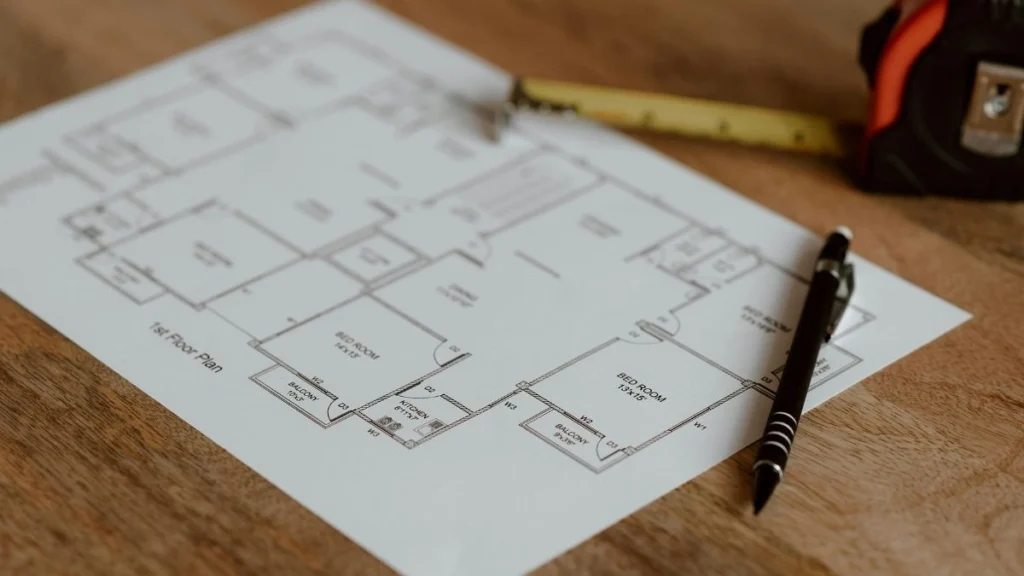
Push the door open and look at your sofa. If its back touches the drywall, you have a serious problem.
Pulling furniture flush against the walls creates a bizarre empty zone in the center. It makes the living room feel like a waiting area rather than a cozy gathering space.
Many people push pieces outward to create more floor space. This actually backfires by highlighting the awkward distance between seating.
When you push everything to the perimeter, the center of the room looks abandoned. This throws off the visual balance completely.
Pulling sofas a few inches away from the wall creates the illusion of breathing room. It gives the eye a sense of depth and dimension.
You need clear traffic paths around the entire seating group. This makes the space feel highly functional.
Learning how to arrange living room furniture is the fastest way to boost your home valuation. According to the National Association of Realtors, 39 percent of buyers agents say staging a living room is the most important step.
A floating arrangement anchors the room and encourages conversation. Buyers walk in and immediately feel the warmth of the layout.
If your room is small, just leaving three inches of space behind the sofa works wonders. You do not need to pull it directly into the center.
The goal is simply to detach the furniture from the architecture. This forces buyers to look at the generous seating rather than the blank walls.
Leave at least 18 inches between your coffee table and the front edge of the sofa. This gives people plenty of room to walk and sit comfortably.
Make sure there is a 36 inch walkway behind the floating sofa if it acts as a primary hallway. Proper clearances make the room feel expensive and intentional.
Once you pull the sofa forward, you have to look at what sits beneath it. Creating air behind your furniture tricks the eye into thinking the room is wider.
Oversized Living Room Furniture Shrinks Your Space
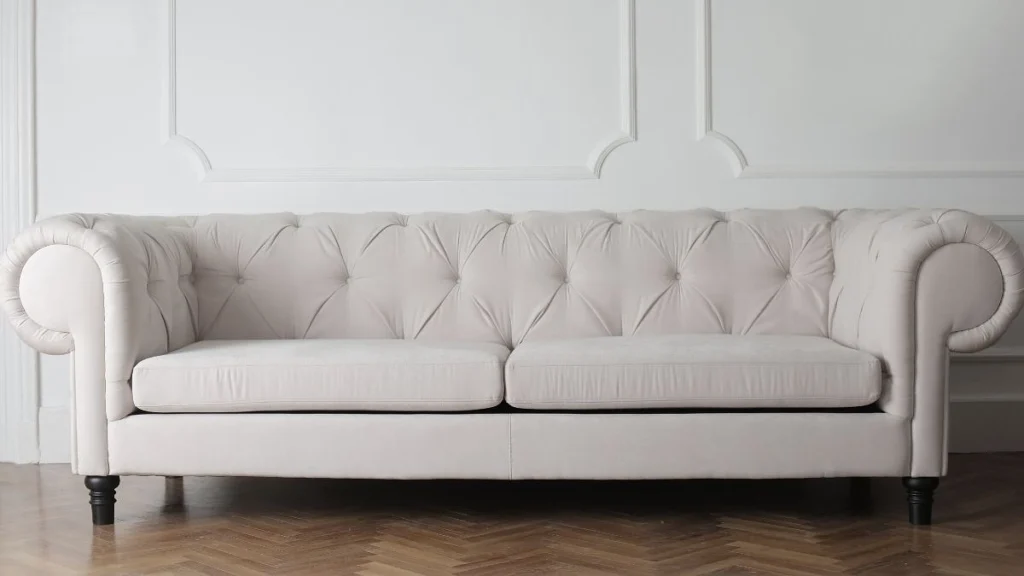
That massive plush sectional is incredibly comfortable for movie nights. It is also actively driving down your home value.
Huge puffy sectionals eat up valuable visual floor space. Buyers cannot see the actual size of the room when an enormous sofa blocks their view.
Scale is critical for maximizing perceived square footage. Oversized living room furniture makes standard rooms look tiny and cramped.
Research from staging experts shows that showing more visible floor space can increase the perceived size of a room by up to 20 percent. Buyers need to see the floor to mentally measure the room.
Swapping a massive sectional for an apartment sized sofa instantly opens up the area. Adding two sleek accent chairs completes the grouping without adding bulk.
Shea McGee, founder of Studio McGee, highlights the importance of this concept. She states that choosing furniture with the correct visual weight prevents small living rooms from feeling heavy and overwhelmed.
A bulky piece sitting directly on the floor absorbs all the light in the room. You want furniture that sits up on exposed wooden or metal legs.
The Article Sven Sofa is a perfect example of correct scaling. Priced around $1,299, its raised legs and slim profile let light pass underneath.
This simple trick immediately expands the visual footprint of the space. Removing bulky recliners and heavy ottomans also helps clear the view.
You want buyers to see straight through to the windows. Less really is more when preparing for a real estate listing.
Give the buyers the gift of negative space so they can picture their own belongings.
Here are three signs your seating is too big for your room:
- The arms of the sofa block the natural pathways.
- You cannot comfortably walk around the coffee table.
- The fabric touches the floor and hides the baseboards.
If you cannot replace your massive couch, try removing one section of a modular piece. Place that extra piece in a different room or a storage unit.
Replacing the sofa solves the bulk issue completely. But the floor underneath holds the next secret to a perfect showing. A sofa with exposed wooden legs lets light pass underneath, instantly lifting the whole room.
The Postage Stamp Rug Effect
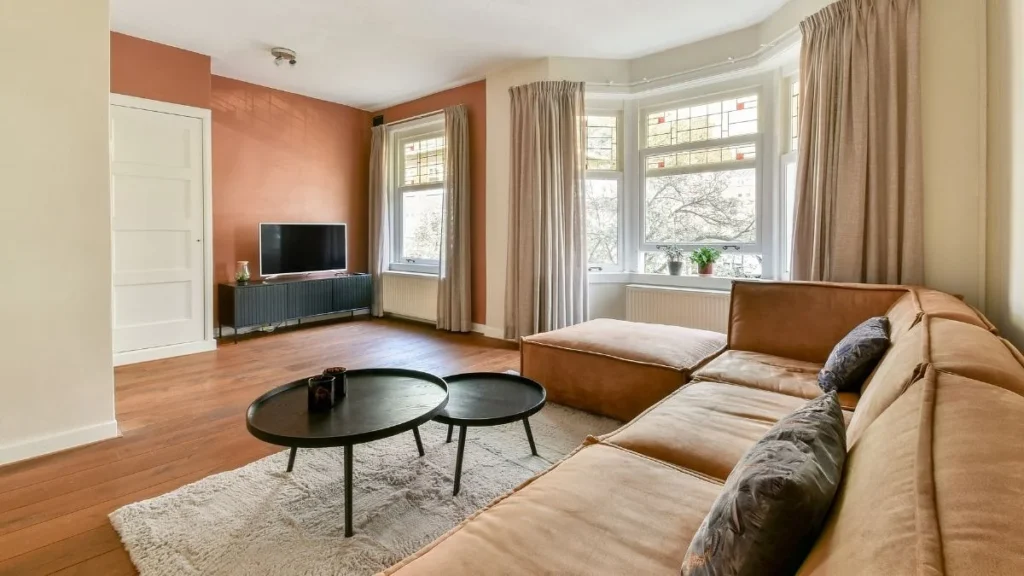
A rug that only sits under your coffee table looks like a bath mat. This tiny square floating in the center visually chops the floor in half.
It makes the entire seating area look miniature and poorly planned. Following proper living room rug rules is essential for a high end aesthetic.
At least the front legs of every major piece of furniture should rest firmly on the rug. Sizing up to an 8×10 or 9×12 unifies the room entirely.
Wayfair consumer data indicates that 5×8 rugs are the most commonly purchased size. Yet most standard living rooms require an 8×10 or larger for proper scale.
Buying a small rug is a false economy. It saves money upfront but destroys the aesthetic value of the room.
A larger rug serves as a visual anchor for your newly floating furniture. It defines the conversation zone and protects the flooring underneath.
If you are on a budget, look for affordable large scale options. The Loloi Skye Collection Rugs offer an 8×10 size for around $180.
This is a tiny investment that pays off big during an open house. You can even layer a smaller vintage rug over a large inexpensive jute rug.
Do not let the rug stop short of the side tables. The side tables and lamps should also sit on the rug to keep the grouping tight.
If your rug feels too small, pull it slightly forward so the front sofa legs just barely catch the edge. This buys you a few extra inches of visual coverage.
To help you get the measurements right, use the clearance guide below.
Living Room Clearance Cheat Sheet
| Furniture Pairing | Minimum Distance | Why It Matters |
| Sofa to Coffee Table | 18 inches | Allows comfortable legroom and easy reaching. |
| Chair to Sofa | 3 to 10 feet | Keeps conversation intimate without crowding. |
| TV to Sofa | 7 feet | Prevents eye strain and creates a clear focal point. |
| Walkways | 36 inches | Ensures buyers can easily navigate during tours. |
| Rug to Wall | 12 to 18 inches | Frames the seating area with visible flooring. |
A properly sized rug grounds the space completely. Now that the floor looks massive, the windows need to lift the room up. Size up your rug to anchor the seating arrangement and define the living zone.
Blocking Natural Light With Heavy Drapery
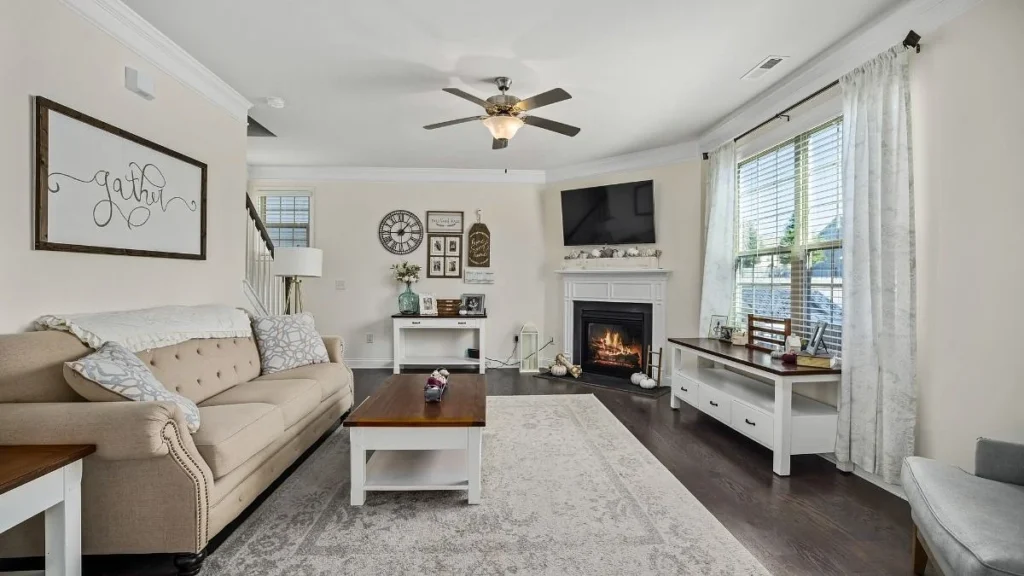
Buyers want bright spaces. Dark rooms feel sad and absolutely tiny.
Heavy dark curtains absorb light and make the living room feel incredibly outdated. Buyers pay a massive premium for abundant natural sunlight.
A study by the National Association of Home Builders found that 83 percent of buyers rank ample natural light as an essential feature. You cannot afford to block your windows.
Proper living room window treatments make standard windows appear custom and expansive. You just need to change how you hang them.
Hanging curtain rods higher and wider than the window frame makes the glass appear much larger. The fabric should rest on the wall, not over the glass.
Swapping heavy fabrics for light filtering sheer panels completely changes the room energy. Consider the West Elm European Flax Linen Curtains, priced around $115 per panel.
These linen panels provide beautiful texture while letting maximum sunlight pour inside. They flutter softly and add a high end coastal feel to any home.
Meridith Baer, a premier luxury home stager, emphasizes that light dictates the flow of a room. She notes that clearing the windows draws the eye outward, making the interior feel boundless.
Remove all heavy valances and dark wooden blinds. Clean the glass inside and out to maximize the sparkle.
Cleaning the window tracks and sills also signals to the buyer that the home is deeply cared for. Dust acts as a light filter, so wipe down every surface near the glass.
Now that the light is pouring in, buyers will notice every detail on your shelves. Raise the rod toward the ceiling to make your standard windows look custom.
How To Avoid Living Room Layout Mistakes When Staging

Staging is styling your house for a stranger. It is about creating an aspirational environment that buyers want to live in immediately.
The Real Estate Staging Association reports that staged homes sell 73 percent faster than unstaged counterparts. This proves that a few aesthetic tweaks bring major financial rewards.
Learning the art of staging a living room for sale involves removing your personal history. You want the buyer to see their own family in the space.
Clear The Surfaces
Start by depersonalizing the space entirely. Remove family photos, religious items, and excess decorative clutter from every flat surface.
Create a single clear focal point for the eye to rest on. This should be a gorgeous fireplace or a large picture window.
Arrange the seating to point directly at this beautiful feature. Do not make the television the star of the show.
Test The Walkways
Ensure there is a clear 36 inch walkway from the entryway straight through the living room. Buyers should never have to turn sideways to navigate your home.
To finish the look, add subtle warmth with textured throw pillows. Drape a neutral blanket cleanly over the arm of the accent chair.
Living Room Rug Size Guide
| Sofa Length | Recommended Rug Size | Ideal Room Dimensions |
| 70 to 80 inches | 8×10 | 11×13 feet |
| 80 to 90 inches | 9×12 | 12×14 feet |
| 90 plus inches | 10×14 | 14×16 feet |
| Small Loveseat | 6×9 | 10×12 feet |
| L Shaped Sectional | 9×12 or larger | 13×15 feet |
Here is your final staging checklist before a showing:
- Open every single blind and curtain.
- Hide all television remotes and charging cables.
- Fluff all the seat cushions and back pillows.
- Turn on every lamp to eliminate dark corners.
- Remove any small floor plants that block pathways.
Ready to test your new setup? Walk through the front door and pretend you are seeing the space for the very first time.
Clear surfaces and open walkways prove to the buyer that the home has plenty of storage. Avoid these common errors, and you will set the stage for top dollar offers.
Getting your house ready for the market does not require a massive renovation budget. You simply need to present your existing square footage in the best possible light.
Float your furniture away from the walls to create depth. Sizing up your rug anchors the seating area, while raising your curtain rods lets natural light pour in. These minor adjustments completely rewire how a buyer perceives your home.
Walk into your living area right now with a tape measure. Check your furniture clearances using our cheat sheet to ensure the traffic flow makes sense.