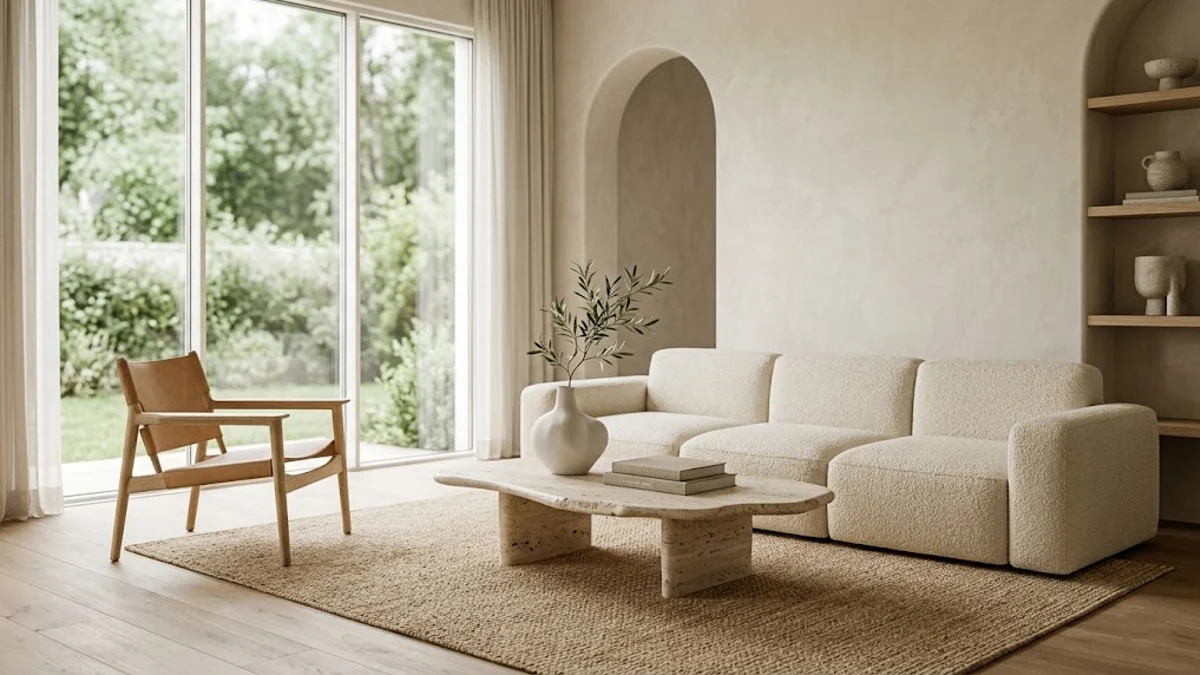
For the past 10 years, minimalism looked stunning in a magazine but often felt like a sterile showroom. In 2026, it finally feels like home. Clients are rejecting cold, white box rooms that lack soul.
Yet they still crave the mental clarity of spaces free of clutter. You want a clean space. But you also want deep comfort. The architectural shift toward warm minimalism interior design 2026 fixes this exact problem.
You will learn what this trend is and the exact data driving it. You will see how to execute it to create deeply restorative spaces that promote minimalist home wellness.
Warm Minimalism Evaluator
Apply the 4 rules to cure the cold, stark showroom effect.
Why Stark Minimalism is Dead (And How to Add Warmth)
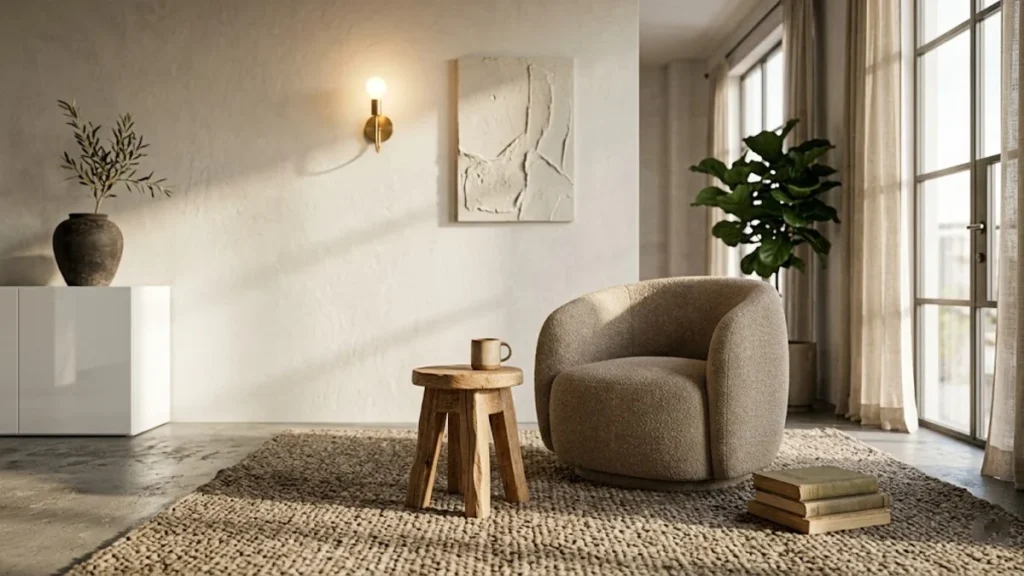
The era of clinical, pristine white boxes is officially over. Clients no longer want anxiety inducing perfection. They want lived in luxury. High gloss and flat finishes are dropping in popularity across the board.
Matte and textured finishes are taking their place. This shift moves the industry away from stark spaces to layered and storied environments.
You do not need to hide everything you own. You just need to curate your items better. We call this gentle clutter.
This means displaying meaningful collections rather than pure chaos. You can intentionally stack read books on a coffee table. You can place a collected travel ceramic on a wooden floating shelf.
This approach completely rejects restrictive perfection. It favors authentic individuality instead. Your space should reflect your actual life. A perfectly sterile room makes people nervous.
A room with thoughtful personal items makes people relax. You are designing a space for human comfort.
This type of curated styling requires the right foundation. It sets up the absolute need for the correct color canvas.
3 Ways to Master the 2026 Color Palette: Emotional Neutrals
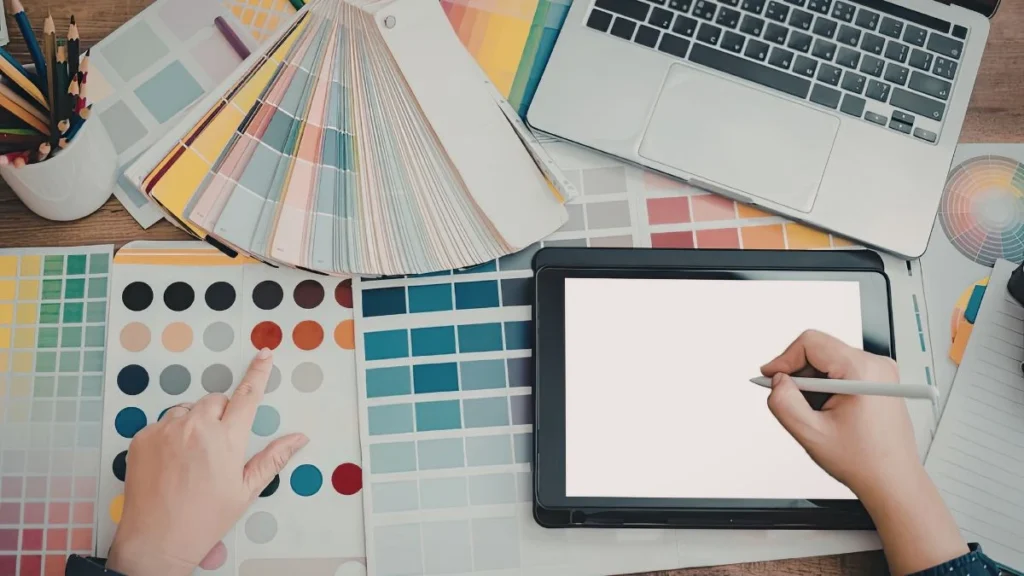
A specific spectrum of new neutrals is pushing grey out the door. We are replacing cold greys and stark whites with richer tones. You will see camel, taupe, mushroom, olive, and clay everywhere.
We call these emotional neutrals. They bring warmth and life back to dull rooms. These deeper colors interact beautifully with natural daylight. They create soft shadows that make a room feel cozy.
You need a clear system to make these colors work together. Here is how to execute the 60 30 10 color rule for tonal layering:
Proportional Harmony
The 60-30-10 Design Rule
The 60% Foundation
Use 60 percent warm base colors for your large surface areas like walls and rugs to set the primary tone of the room.
The 30% Support
Use 30 percent supporting neutrals for your secondary items like sofas and drapes to anchor the space comfortably.
The 10% Pop
Use 10 percent accent colors like rust or sage to finish the room with small decor pieces and add vibrant visual interest.
Matching physical material temperatures is critical for success. Your wood, fabric, and paint must all read as cohesively warm. A warm paint color will fail if you pair it with a cold fabric.
You must test these colors together in your actual room. The light in your home changes throughout the day. This changes how the colors look to your eye. It direct connection between color and texture leads us directly to your material choices.
How to Fix Flat Rooms With Tactile Natural Materials
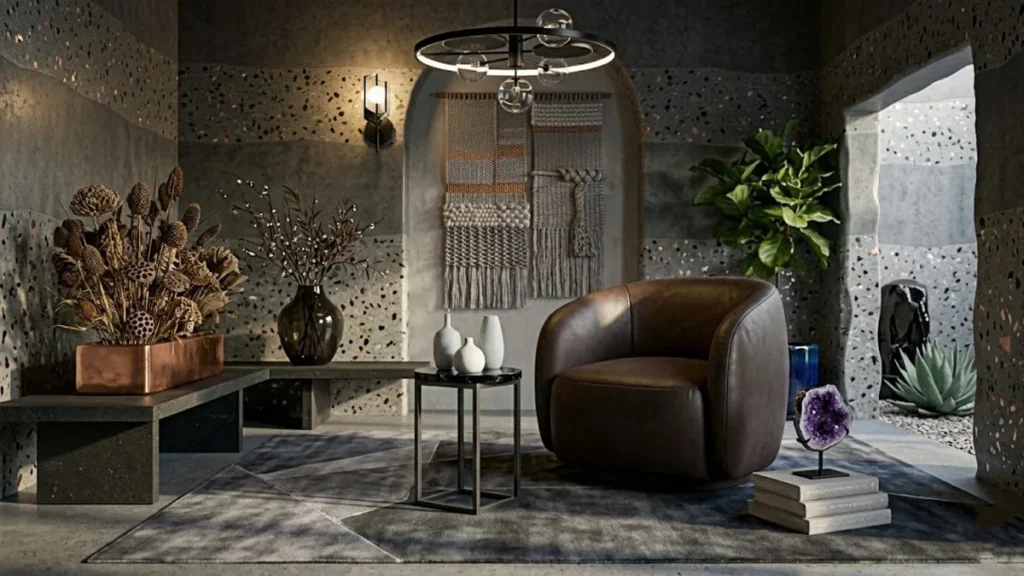
In 2026, texture completely replaces applied ornamentation. We are using natural elements as the foundation of the room. They are no longer just small accents.
You must embrace imperfect beauty and quiet craftsmanship. A knot in a piece of timber is now considered a premium feature. A natural crease in leather adds character. This brings organic movement to the space.
Hand applied limewash brings architectural interest to plain walls. Fluted wood detailing instantly elevates kitchen islands and cabinet fronts.
You can feel the quality of these materials when you touch them. Here are a few simple material swaps to elevate your space:
Sensory Interiors
The Art of Tactile Design
Handcrafted Depth
Instead of flat paint, use textured plaster walls to add immediate architectural depth and a soft, handcrafted feel to the room.
Earthy Foundations
Instead of glossy floors, use honed travertine stone to create a matte, earthy, and perfectly grounded foundation.
Tactile Upholstery
Instead of cold leather sofas, use soft boucle and linen fabrics to invite visual warmth, texture, and physical comfort.
Living Finishes
Instead of polished chrome, use unlacquered brass that develops a unique patina over time, adding history and character.
These rich materials add incredible depth to your home. They create a soothing environment that feels incredibly grounded. But these materials demand proper illumination to look their absolute best.
The 5 Minute Fix: Layered Lighting as an Emotional Experience
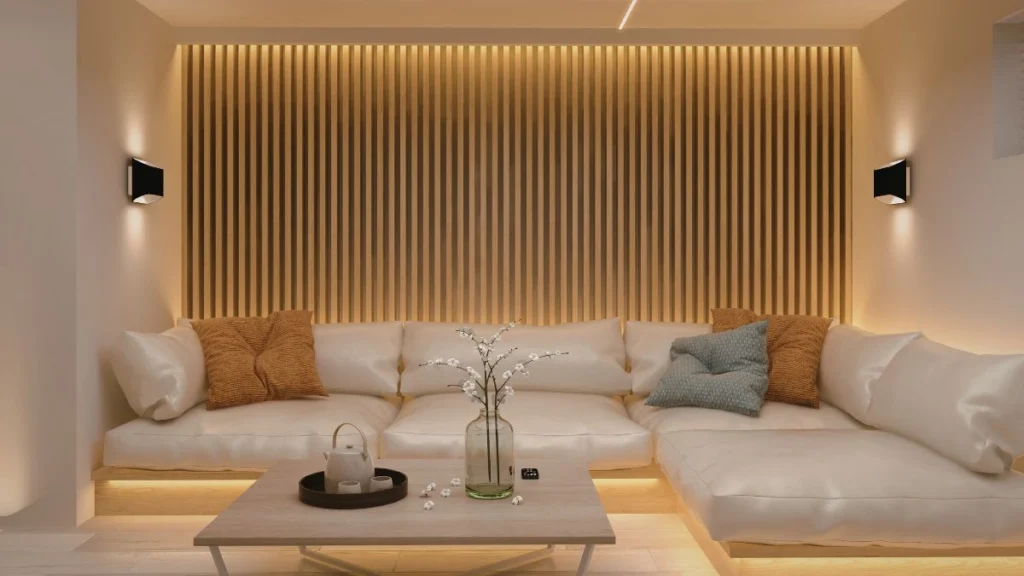
Lighting in 2026 is a vital architectural element. It is never an afterthought. We are moving away from harsh overhead recessed lighting.
You need layered and intelligent illumination instead. This visual aesthetic directly connects to your biological need for wellness and calm.
Use sculptural pendants and wall sconces. These fixtures serve as beautiful art during the day. They provide soft ambient warmth at night.
You can also integrate discreet smart home technology. This technology automatically shifts your lighting brightness based on your natural circadian rhythms.
Warm lighting is the essential glue for your design. It ties earthy colors and rich textures together perfectly. It makes the entire room feel cohesive and safe.
3 Ways to Soften Your Space With Curved Furniture
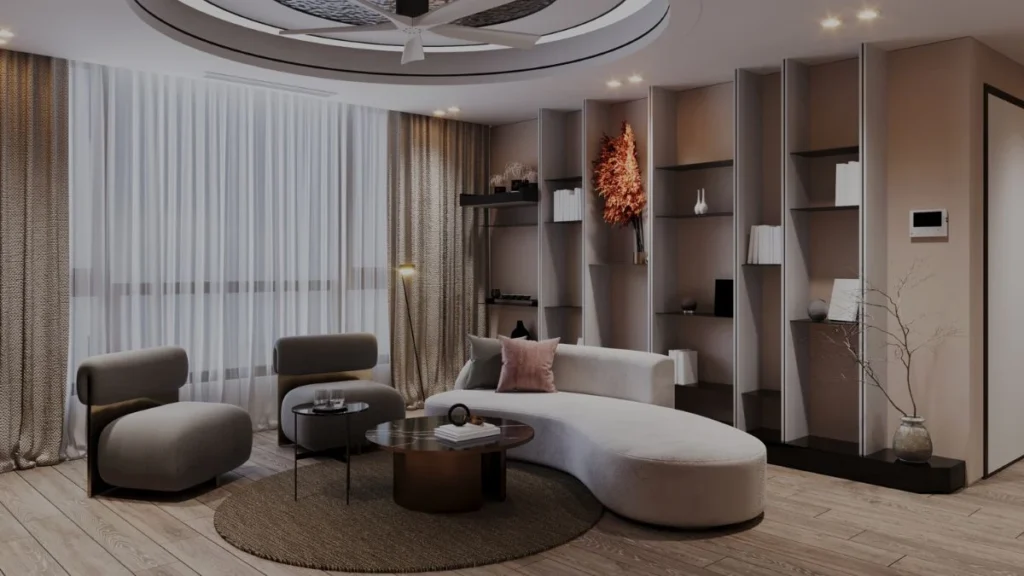
Boxy furniture makes a room feel harsh. You want your home to feel welcoming. In 2026, we are replacing sharp corners with soft curves. Curved furniture naturally guides your eye around the room.
It makes tight spaces feel much larger. You do not need to replace everything at once. Small updates make a massive difference.
Here are three simple ways to bring softer shapes into your home:
Organic Contours
Softening Your Space
Soft Centerpieces
Swap a sharp, square coffee table for a round stone table to improve the flow of movement and soften the center of the room.
Gentle Seating
Choose a sofa with sloping arms instead of rigid straight lines to introduce comfortable, organic curves to your primary seating area.
Architectural Illusions
Add an arched floor mirror to effectively break up flat, boxy walls while reflecting light to make the space feel larger.
These simple changes immediately relax the energy in your room. They invite people to sit down and stay awhile.
How to Stop Buying the Wrong Decor

Many people waste money on cold decorations. They buy pieces that look good online but feel terrible in person.
You need a clear guide to make smart choices. Warm minimalism focuses on pieces that feel good to touch. You should prioritize quality over quantity.
You can stop guessing what looks good together. Use this simple comparison guide before you buy anything new for your home. It shows exactly what to avoid and what to pick.
| Stop Buying This | Buy This Instead | Why It Works Better |
| Glossy white ceramic vases | Matte clay or terracotta pots | Clay adds instant visual warmth. |
| Polished silver hardware | Unlacquered brass or bronze | Brass develops a beautiful natural color over time. |
| Bright white cool lightbulbs | Soft white 2700K LED bulbs | Soft light mimics a calming sunset. |
| Perfectly matched furniture sets | Mixed wood tones and textures | Mixed pieces create an authentic feel. |
Your Next Steps for a Cozier Home

Warm minimalism is the discipline of restraint grounded in human comfort. You achieve this balance by utilizing rich textures, earthy neutrals, and purposeful lighting.
It is time to audit the temperature of your own living room materials. Look closely at your paint, your fabrics, and your light bulbs.
Get physical material sample boards before making any big changes. You cannot accurately judge warmth digitally on computer screens. Start small by swapping a boxy rigid sofa for a curved loveseat.