

You spend hours styling rooms for free because building a stable home decor creator income feels completely impossible. Brands demand massive follower numbers before they even read your pitch emails.
You end up doing all the hard work while huge influencers secure the actual paychecks. This guide shows you exactly how to turn those beautiful photos into reliable revenue.
Earning real money requires a clear business strategy, not millions of followers. You will learn how to start making a profit from your small audience today.
Build Home Decor Creator Income With Affiliates
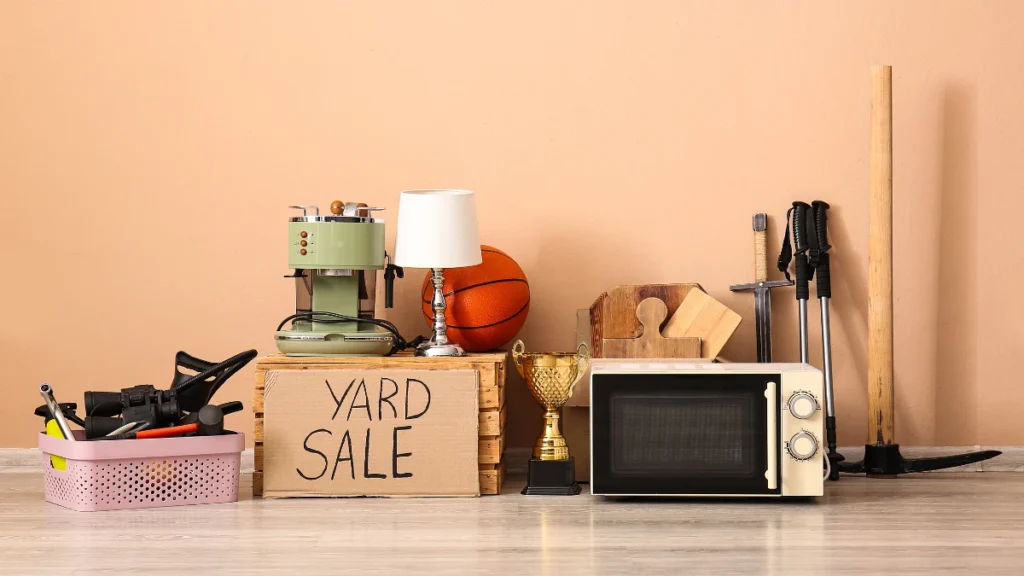
A single well timed room reveal reel can easily generate $500 in commission overnight. You do not need a huge audience to see these financial results. You just need a highly targeted group of people who love your specific aesthetic.
Micro influencers see a 6 percent engagement rate compared to 1.5 percent for mega accounts, according to Influencer Marketing Hub. Your highly engaged followers trust your design recommendations completely. They want to buy exactly what you display.
Joining interior design affiliate programs is the fastest way to start earning. LTK and Amazon Associates are the absolute industry standards for creators. They are completely free to join.
The LTK platform allows you to tag specific furniture pieces directly in your styled photos. Viewers click the photo and see shoppable links immediately.
Amazon Associates works perfectly for smaller decor accessories and basic home styling tools. The conversion rates are exceptionally high because everyone already has an Amazon account.
You must apply to these programs with a clear content strategy. Make sure your social feed looks professional before submitting your affiliate application.
Once approved, place your affiliate links strategically across your profiles. Add a permanent shop link in your bio. Share direct product links in your daily stories.
Create dedicated story highlights for different rooms in your house. Label them clearly so new followers can find your living room rug or kitchen hardware instantly.
Always link the exact item when possible. If the original piece is out of stock, link a visually similar budget option. Tell your audience exactly why you chose that alternative.
Do not hide your affiliate relationships from your audience. Be honest about earning a commission from their purchases. Transparency builds incredible trust over time.
You can also share your affiliate links on Pinterest. Create beautiful pins featuring your styled rooms and link them directly to the product pages.
| Network Name | Average Commission Rate | Best Feature |
| LTK | 10% to 15% | Shoppable photo interface |
| Amazon Associates | 3% to 4.5% | Extremely high conversion rate |
| ShareASale | 5% to 8% | Access to niche boutique brands |
| RewardStyle | 10% to 15% | Premium home decor brand access |
| CJ Affiliate | 4% to 6% | Major retail furniture partnerships |
Affiliate links bring in passive cash, but active outreach brings in bigger checks. Start by joining LTK and Amazon Associates today.
Pitch Paid Brand Partnerships Successfully

Sending your very first pitch email to a brand feels terrifying. You might stare at the screen wondering if your follower count is too small. You might fear immediate rejection.
Brands buy access to engaged communities, not just raw follower counts. You offer a highly targeted audience that trusts your specific design taste.
Research from Experticity shows 82 percent of consumers are highly likely to follow a recommendation made by a micro influencer. This makes your small account extremely valuable to companies.
You must create a professional media kit to pitch properly. This simple document should highlight your audience demographics and your daily engagement rate. It must also showcase your best past styling work.
Keep your media kit to two pages maximum. The first page introduces your brand and lists your statistics. The second page features large photos of your absolute best room makeovers.
Target mid size furniture brands rather than giant corporate retailers. Smaller brands have marketing budgets but face significantly less competition in their direct message inbox.
Find the right person to contact. Look for a marketing manager or public relations director on LinkedIn. Never send pitches to a generic customer service email address.
Keep your pitch email very brief. Introduce yourself and explain why you love their specific product. Attach your media kit and ask if they are open to collaboration.
Always offer a specific idea in your pitch. Suggest a seasonal mantel styling video or a detailed blog post reviewing their new sofa. Brands love creators who bring full concepts.
Be prepared to negotiate your rates. A small account can easily charge $250 to $500 for a dedicated video reel if the content quality is exceptionally high.
Creator Partnerships
Monetization & Aesthetic Protocol
Usage Rights & Ads
Charge extra if the brand wants to run ads using your video. This is called usage rights, and it is a completely separate fee from the content creation itself.
The Authentic Aesthetic
Athena Calderone, creator of EyeSwoon and design author, notes that building an authentic aesthetic is the foundation of any brand partnership. Stay true to your unique style always.
Leverage & Pitch
Once you secure brand deals, you can leverage that trust into selling your own items. Pitching brands gets much easier and more refined with daily practice.
Charge extra if the brand wants to run ads using your video. This is called usage rights, and it is a completely separate fee from the content creation.
Athena Calderone, creator of EyeSwoon and design author, notes that building an authentic aesthetic is the foundation of any brand partnership. Stay true to your unique style always.
Once you secure brand deals, you can leverage that trust into selling your own items. Pitching brands gets much easier with daily practice.
Sell Profitable Digital Decor Products

Selling physical goods requires inventory space and expensive shipping materials. This overhead risk destroys profit margins for new creators. You can lose money quickly if items do not sell.
Digital products eliminate these overhead costs completely. You create the item once and sell it an infinite number of times. There is zero financial risk involved.
The digital product market is growing rapidly. Creators easily earn passive income at a 90 percent profit margin. The delivery is instant and completely automated.
You can sell complete room mood boards, curated thrift shopping guides, or specific seasonal styling checklists. Your followers want your exact blueprint for a beautiful home.
Think about the questions your followers ask most frequently. If they always ask how you arrange gallery walls, create a detailed digital guide about that exact topic.
You do not need expensive or complicated design software. A tool like Canva Pro costs just $15 a month and provides hundreds of beautiful templates.
Start by creating a simple PDF styling guide. Take a room you already designed and break down the paint colors, furniture dimensions, and layout rules.
Add clear formatting and beautiful typography to your digital document. The product needs to look highly professional to justify the purchase price.
Once your file is ready, set up a simple digital storefront. Platforms like Stan Store or Etsy handle all the checkout and file delivery technicalities automatically.
Write a compelling description for your product page. Explain exactly what the buyer will achieve after reading your guide. Focus on the final result, not just the page count.
Promote these digital downloads naturally in your short form videos. Show the finished room first. Tell viewers they can buy the exact shopping plan through the link in your bio.
| Product Type | Suggested Price Range | Time Required To Create |
| Room Mood Board | $15–$25 | 2 to 3 hours |
| Thrift Shopping Guide | $10–$20 | 1 to 2 hours |
| Paint Color Cheat Sheet | $5–$15 | 1 hour |
| Complete Styling Ebook | $35–$50 | 10 to 15 hours |
| Vendor Sourcing List | $20–$40 | 3 to 4 hours |
If creating products feels overwhelming, you can sell your expertise directly. Setting up a Stan Store is a great first step toward direct monetization.
Offer Virtual Room Design Services
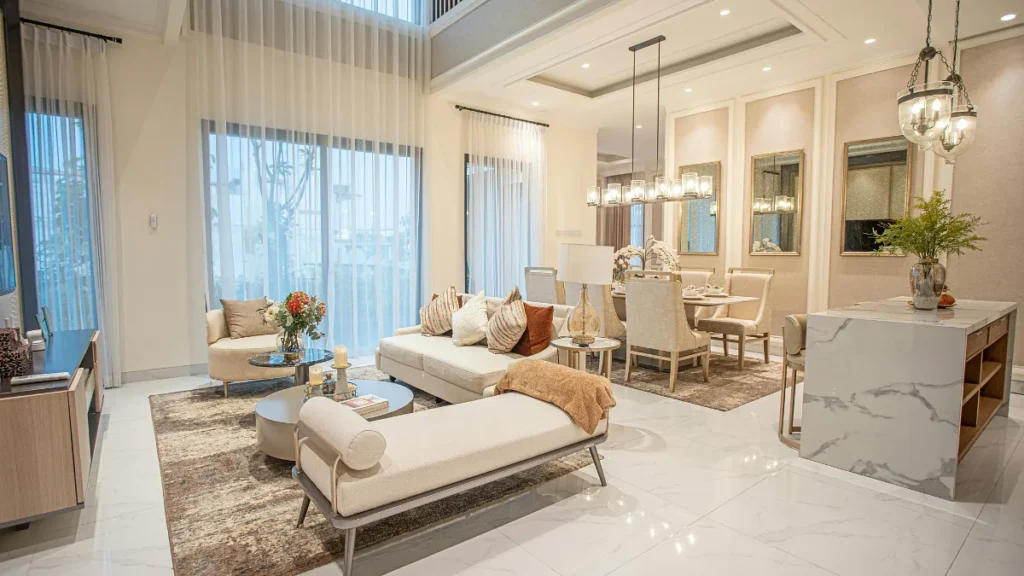
How many times do followers message you asking for your exact living room paint color? People already want your specific design advice. They trust your eye for detail completely.
Virtual room design allows you to charge for that exact advice. You provide custom styling concepts and shopping lists entirely online. You never have to visit the client in person.
The online interior design market is booming right now. It is expected to reach 34 billion dollars by 2027, according to Business Wire. You can easily capture a small piece of this market.
You can outline a basic service package easily. Ask the new client to provide exact room measurements, inspirational photos, and their total working budget.
Create a detailed digital questionnaire to understand their lifestyle. You need to know if they have pets, children, or specific functional needs for the newly designed space.
You then create a custom floor plan and a shoppable furniture list. A basic room refresh package can easily sell for $250 to $500.
Use professional software to create these impressive visual presentations. Spoak interior design software offers creator plans ranging from $45–$90 per month.
These tools allow you to render realistic rooms so the client sees exactly what they are buying. This builds immense trust and guarantees positive client reviews.
Schedule a video call to present your final design concepts. Walking the client through your choices personally adds massive value to your service package.
Virtual Design Model
Scaling The Plan Decor
Revision Boundaries
Set clear boundaries regarding design revisions. Offer one round of minor changes for free, but charge an hourly rate for any major redesign requests.
The Content-to-Client Pipeline
Shea McGee from Studio McGee built an empire by transitioning from sharing aesthetic photos to accepting actual design clients. You can follow this exact path to scale your visual platforms into a thriving agency.
Scalable Virtual Design
Virtual design requires active work, but you can scale your earnings by building a central hub for The Plan Decor. Best of all, you never have to manage physical furniture inventory.
Set clear boundaries regarding design revisions. Offer one round of minor changes for free, but charge an hourly rate for any major redesign requests.
Shea McGee from Studio McGee built an empire by transitioning from sharing Instagram photos to accepting actual design clients. You can follow this exact path to success.
Virtual design requires active work, but you can scale your earnings by building a central hub. You never have to manage physical furniture inventory.
Grow Home Decor Creator Income Through Display Ads

Building a business entirely on social media means you are renting land. An algorithm change can instantly destroy your account visibility overnight. You own nothing on those mobile platforms.
Starting a self hosted blog gives you complete ownership over your content. You control the platform, the email list, and the major revenue streams entirely.
Many creators want to make money on Instagram alone. However, combining a blog with a premium ad network generates much more stable passive income.
Ad networks pay you simply for getting people to read your website. The more helpful styling articles you write, the more traffic you capture.
You do not need to sell anything directly to make money here. Readers just need to scroll past the display advertisements while reading your helpful decorating advice.
Joining networks like Raptive requires a minimum number of monthly page views. You must focus on writing evergreen content that answers specific search queries.
Pinterest is the perfect tool for driving this highly targeted blog traffic. Pinterest users have high purchase intent for home decor items based on Pinterest Business Data.
In fact, Pinterest drives 33 percent more referral traffic to shopping sites than Facebook. Pin your blog graphics daily to build a steady stream of readers.
Create tall, visually appealing graphics for every blog post. Make sure the text overlay on the pin is large and extremely easy to read on mobile screens.
You can also film room makeover videos and earn ad revenue through YouTube. Both platforms reward consistent, long term content creation heavily.
YouTube ad revenue can become incredibly lucrative as your channel grows. People love watching long format videos of dramatic room transformations and furniture flips.
Getting page views is much easier when you write truly helpful content. Consistent publishing remains the true secret to scaling your overall ad revenue.
Earning a living as a design creator is entirely possible. Start by signing up for major affiliate programs to capture immediate commissions.
Next, build an email list to sell your digital styling guides directly to followers. Finally, pitch targeted mid size brands with confidence.
Stop waiting for millions of followers to validate your design talent. Claim your free media kit template below and send your first brand pitch today.
Building a sustainable home decor creator income takes time, but you have everything you need to start right now.