

Nadia stood in her crowded hallway staring at a massive box full of unwanted ceramic vases and brass mirrors. She felt immense guilt throwing away perfectly good styling pieces.
Her small apartment desperately needed breathing space. Instead of dropping everything off for free, she spent one week selling used home decor and shocked herself.
This guide reveals the exact hidden treasures that sold within hours. It covers the specific platforms that attract real buyers. Finally, it breaks down the simple pricing strategies that cleared out her inventory fast.
Why the Market for Pre Owned Decor Is Booming Right Now

Nadia realized that buying everything brand new cost an absolute fortune. She noticed her friends feeling frustrated by massive shipping delays. They wanted beautiful items immediately.
Because buyers want quality pieces quickly, certain older items fly off digital shelves. This shift toward sustainable interior styling creates a massive opportunity. People want unique rooms that do not look like a generic catalog.
During her research, Nadia found the Chairish Resale Report. The data projected the home furnishings resale market to grow by 54 percent over the next five years.
She also read retail surveys from the National Association of Home Builders. The reports showed a massive spike in millennials buying secondhand furniture. Buyers love mixing profitable vintage decor items with sleek modern styles.
Older pieces often feature better craftsmanship. Solid wood and real brass hold their value much better than modern particle board. Buyers recognize this quality and gladly pay for it.
Nadia knew she had great pieces sitting in boxes. She just needed to identify exactly what buyers wanted most.
The Top 5 Decor Items That Sold Within 24 Hours
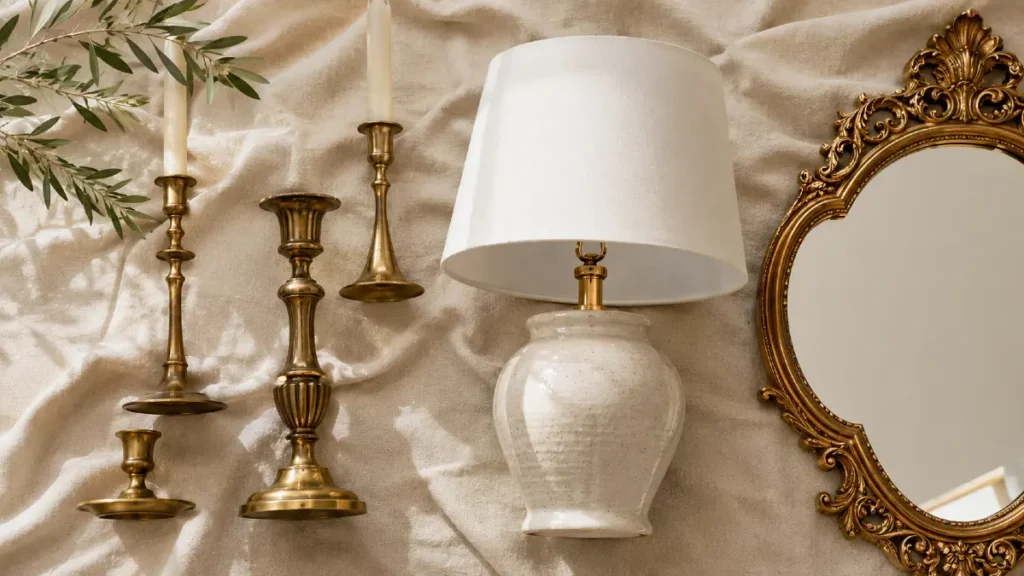
Nadia opened her storage bins and pulled out specific styling pieces. She wanted to test the waters with her best decor to resell. She focused strictly on decorative accents.
While sorting, she checked Pinterest Trends. The site consistently showed massive growth for vintage brass decor every fall season. She knew those pieces would perform well.
These five specific categories became her fast selling decor pieces:
- Heavy solid wood picture frames.
- Vintage brass candlesticks and figurines.
- Mid century modern ceramic table lamps.
- Large arched or ornate mirrors.
- Branded pottery or handmade ceramics.
Her vintage brass Baldwin candlesticks sold immediately for $65. A buyer messaged her within ten minutes of listing them. Real brass always commands attention.
She also listed two Studio McGee target decorative bowls. They were lightly used but still perfectly clean. They sold as a pair for $35.
The biggest surprise was a heavy mirror. It looked exactly like the Anthropologie Gleaming Primrose mirror dupes trending online. A local buyer happily paid $150 in cash for it.
The common theme was high quality materials. Brass, wood, and ceramic pieces attracted serious buyers instantly. They did not sit online for days.
While those items are guaranteed money makers, not everything is worth the time. She had to learn what to leave behind.
Decor Pieces She Realized Belonged in the Donation Box
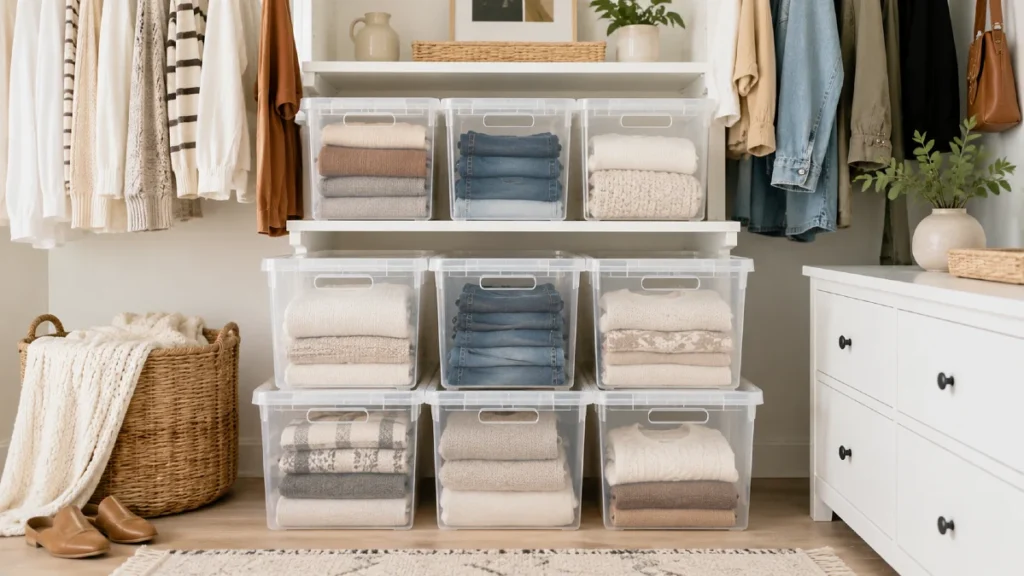
Nadia felt relieved knowing it was okay to let some things go for free. Not every single item holds hidden monetary value. Some pieces simply clutter the digital listings.
She read an Apartment Therapy survey about the most oversupplied thrift store items. It confirmed her suspicions. Buyers do not want outdated or cheap materials.
Mass produced canvas art with generic quotes holds almost no resale value. She placed three of these canvases straight into the giveaway pile. They take up too much space.
Outdated heavy window valances and synthetic curtains also failed to attract buyers. People prefer natural linen and simple window treatments today.
She also tossed chipped fast fashion vases and cheap plastic storage bins. Selling damaged or highly accessible items only wastes time. Decluttering home decor requires strict standards.
Nadia focused only on items in excellent condition. She boxed up the low value pieces and dropped them off at a local charity.
Once she had her pile of winners ready, she needed to know exactly where to put them.
Where to Sell Home Decor Locally and Online

Picking the right app is like choosing the right boutique shop. Nadia needed the exact right audience for her specific items. Each platform serves a different buyer.
Facebook Marketplace
Nadia used Facebook Marketplace for bulky items. Her large mirrors and heavy table lamps sold best here. Local buyers came directly to her door with cash.
She learned that Facebook Marketplace boasts over one billion active monthly users. This massive local reach makes it perfect for avoiding high shipping costs.
Mercari
Mercari worked beautifully for smaller shippable items. Nadia listed her brass figurines and small wooden frames here. The shipping process was incredibly straightforward.
Poshmark Home
Poshmark Home became her favorite spot for branded textiles. She sold premium throw pillows and knit blankets easily. Buyers on this app love recognizable brand names.
Chairish
For her high end vintage lighting, she turned to Chairish. Anna Brockway, Co Founder of Chairish, frequently discusses how vintage accents bring soul to a room. Buyers here gladly pay premium prices.
Nadia created a simple system to track her items. This kept her organized and efficient.
| Item Category | Average Resale Value | Demand Level | Best Selling Platform |
| Solid Brass Accents | $40–$90 | High | Mercari |
| Large Wall Mirrors | $100–$250 | High | Facebook Marketplace |
| Ceramic Lamps | $50–$120 | Medium | Chairish |
| Branded Throw Pillows | $20–$50 | Low | Poshmark Home |
| Wooden Picture Frames | $15–$35 | Medium | Mercari |
Picking the right app is only half the battle. Her listings needed to look totally professional to command top dollar.
How to Style and Photograph Items for Top Dollar
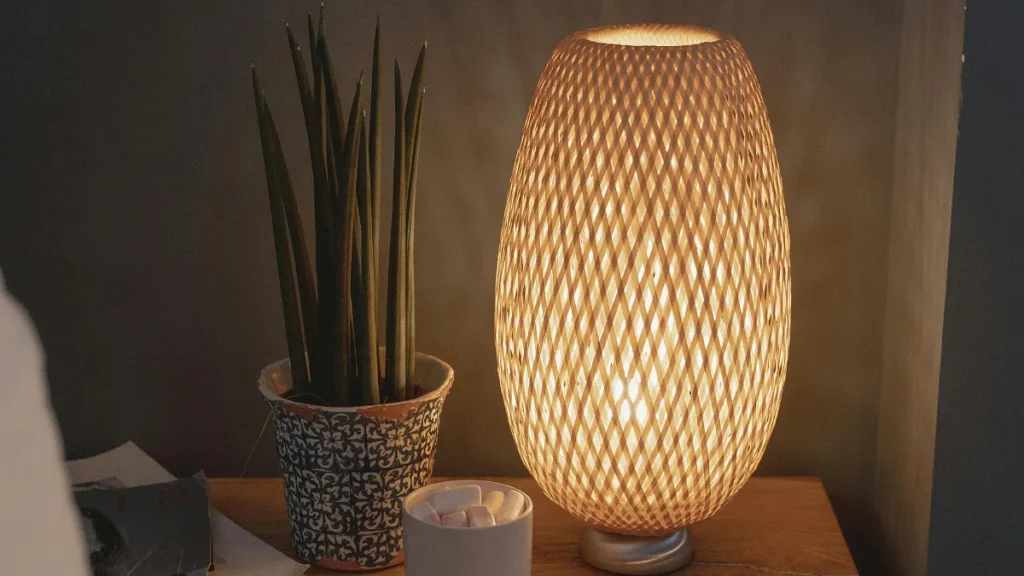
Bad photos completely ruin good products. Nadia learned this lesson quickly after a dark blurry photo got zero clicks. She immediately changed her approach.
Maxwell Ryan, Founder of Apartment Therapy, often speaks about the power of styling thrifted finds. An item needs context to look desirable.
Nadia followed a specific photography routine for every single listing:
Marketplace Studio Prep
High-yield visual framework for item listings
Surface Purification
Clean every piece thoroughly prior to staging, because micro-particles and stray dust shows up clearly in photos.
Contextual Staging
Integrate lifestyle scale. Stage the item in a real room setting to look identical to a premium, high-end console table arrangement.
Chromatic Equilibrium
Isolate your light source. Use natural daylight only and completely eliminate artificial, overhead yellow lights from the room envelope.
Multi-Angle Optics
Capture full layout scale. Take multiple angles including dedicated, extreme macro tight close ups of any maker marks.
She read a real estate statistics report about lighting. It stated that natural light increases photo click through rates by over 40 percent.
She never took photos on the floor. Presenting a vase on a styled table made it look expensive. Buyers want to visualize the piece in a real room.
| Lighting Setup | Staging Prop Ideas | Background Choice | Essential Angles to Capture |
| Indirect window light | Hardcover books | Plain white wall | Front straight on view |
| Morning sunlight | Fresh green leaves | Natural wood table | Close up of texture |
| Bright overcast sky | Linen cloth base | Neutral rug | Bottom showing maker mark |
| Golden hour glow | Small white candle | Clean marble counter | Top down styling view |
Great photos get clicks, but the right price always closes the deal. She wiped down her items one last time before snapping the final pictures.
Pricing Strategies to Move Old Decor Fast
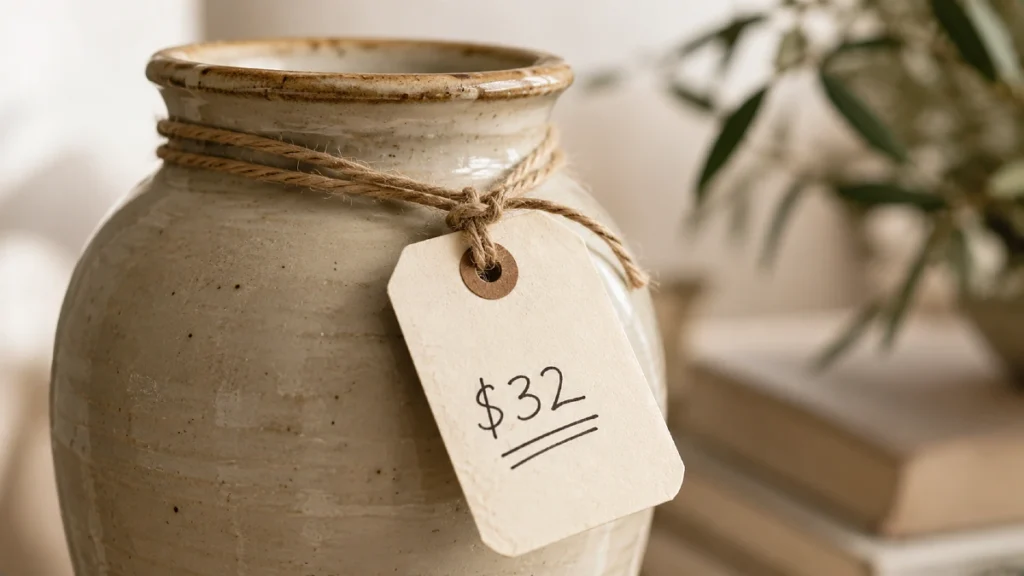
Nadia worried constantly about pricing things wrong. She did not want to cheat herself out of money. She also did not want items sitting in her hallway for weeks.
She searched each platform for similar sold listings. This helped her gauge the exact current market value for pricing used decor. Active listings mean nothing if the item never sells.
Once she found the average sold price, she priced her items carefully. She listed everything 15 to 20 percent higher than her absolute lowest acceptable price. This left perfect room for negotiation.
When a buyer offered $45 on a $60 lamp, she felt great accepting it. She originally only wanted $40 anyway.
She also bundled smaller items together. She sold three small candle holders as one complete set for $50.
Retail psychology data shows that bundling greatly increases perceived value. Buyers feel like they are getting a complete curated collection.
She briefly priced a ceramic pot at $90 when it was only worth $40. It sat for three weeks with zero messages. She learned to stay realistic about resale value.
With her items styled, priced, and listed, she was ready to watch the offers roll in. She politely countered lowball offers and thanked everyone for their interest.
Nadia learned that selling used home decor takes a little effort but pays off quickly. She successfully focused on quality materials. She cleaned her items perfectly and chose the correct platform for each piece.
She prevented perfectly good styling pieces from entering a landfill. Instead, she earned $900 to fund her upcoming design projects. The process felt incredibly rewarding.
Any person can look around their own home to find hidden value. Nadia challenges anyone to find three unwanted items sitting in a closet right now. Cleaning them up and taking a bright photo might just pay for a brand new room makeover.