

Preparing a house for sale is exhausting. Spending thousands of dollars on furniture rentals or decor feels like a massive risk. You are already dealing with expensive moving costs and tight deadlines.
The fear of wasting your hard earned money is completely valid. But ignoring this step often leads to lower offers and months of stress.
This guide breaks down the hard math of staging returns in the 2026 market. We will prove exactly why it works using current real estate numbers. You will also discover the specific rooms where your budget actually matters most.
The Math: Why Home Staging ROI is Real in 2026
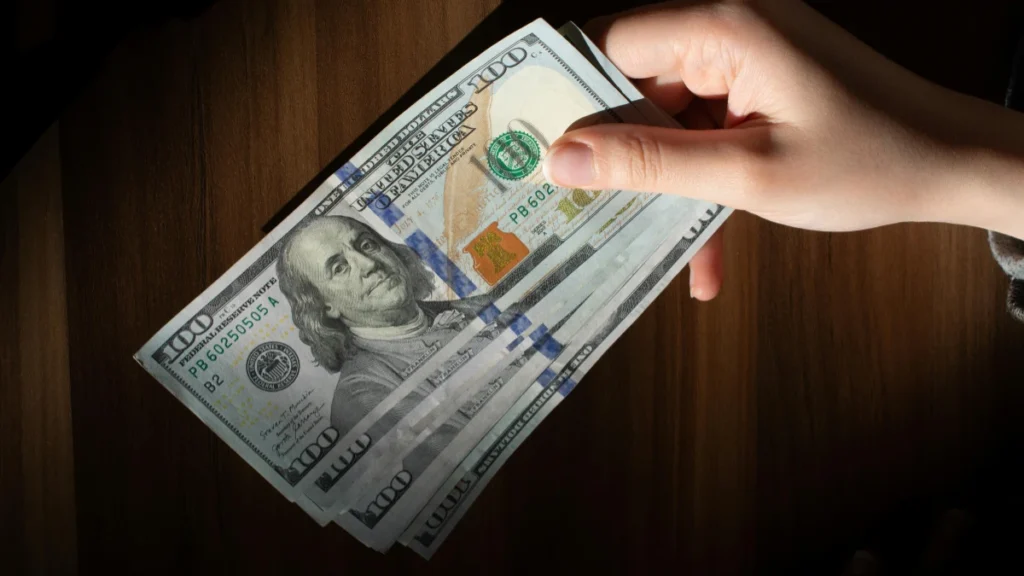
Stop looking at staging as a lost expense. You need to view it as a direct investment in your final sale price.
The median professional staging cost in the United States is around $1,500. This usually equals 1% to 3% of the asking price. That upfront cost scares many sellers initially.
But the back end payout makes it completely worth the effort. According to 2025 and 2026 data from the Real Estate Staging Association and the National Association of Realtors, staging consistently returns 200% to 500% on the investment.
For every $100 invested, sellers often see a $400 return. A $600,000 home might require a $2,000 staging investment. If it nets a conservative 5% increase in sale price, that is an extra $30,000 in your pocket.
Staged homes also spend 33% to 73% less time on the market. A faster sale means fewer mortgage payments and less stress for your family.
Think about what happens when a house sits unsold for months. The first price reduction on an unstaged home is usually $5,000 to $10,000.
That price cut is always more expensive than a simple staging invoice. Knowing the true cost of home staging proves that skipping it is a costly mistake. Your home staging ROI is backed by solid math.
The “Big Three”: The Top Rooms to Stage

You do not need to stage every single room in your house. Wasting money on extra bedrooms drains your budget fast. You must focus on the spaces that actually sell the property.
These are the top rooms to stage for maximum impact. Buyers walk through a home in a specific order. You want to capture their attention immediately and keep it.
The Staging Trinity
High-Impact Room Prioritization
The Living Room (The Anchor)
This is your most important room. Over 91% of agents agree. Remove up to half of your furniture to open up the floor. Cramped living rooms make the entire house feel small.
The Kitchen (The Heart)
Clear your counters completely. Leave out just one nice item like a fancy coffee maker. Visual clutter makes buyers think you inherently lack storage space.
The Primary Bedroom (The Retreat)
Buyers want a relaxing sanctuary. Hide your personal items and put on crisp bedding. Remove extra dressers to make the room look significantly bigger and more inviting.
Secondary bedrooms, guest bathrooms, and basements just need to be spotless. You should leave them clean but they do not require heavy staging budgets.
Saving money by ignoring these guest spaces allows you to hyper focus your funds. This targeted strategy is the real secret to generating a massive home staging ROI.
Home Staging Trends 2026: What Buyers Actually Want
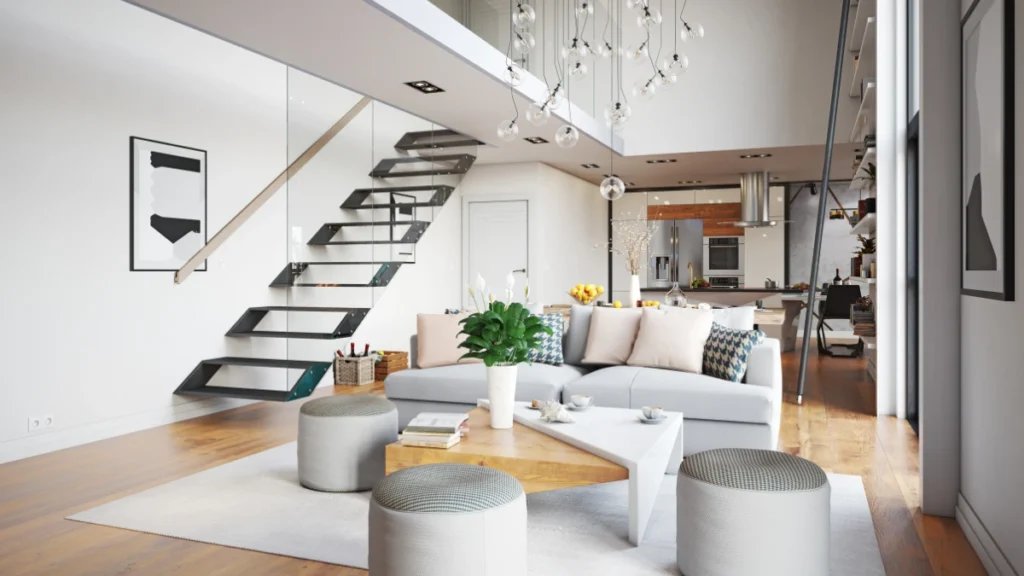
Effective staging is about more than just moving old couches around. It is about hitting the current psychological triggers of modern buyers.
You need to show them a lifestyle they want to buy. These are the top home staging trends 2026 buyers actively look for when touring houses.
- Softened Minimalism: Stark white rooms are out. Buyers want warm off-whites and creamy taupes. Make your house feel like a comfortable sanctuary.
- Rich Textures: Flat surfaces are boring. Add natural linen, velvet, or textured furniture. These materials look amazing in your online listing photos.
- Nature and Energy: Bring the outside indoors. Use indoor plants and reclaimed wood. Point out smart thermostats and green energy upgrades.
- Tech Ready Spaces: Modern buyers work from home. Set up dedicated charging stations. Prove your home office has fast internet ready to go.
Current buyers are attracted to curved and comforting furniture shapes over sharp modernism. These soft shapes psychologically signal safety and comfort. Swap your cool grey bedding for warm linen in cream or oat tones today.
Virtual vs. Physical Staging: Protecting Your Cost of Home Staging

If you are a seller on a tight budget, you have excellent options. You can use virtual staging to protect your wallet. This process means digitally adding furniture to photos of empty rooms. It is a powerful tool in the 2026 real estate market.
Virtual staging costs $50 to $130 per photo. This method saves you up to 97% compared to a full physical furniture rental.
You can use simple virtual staging software or hire online services to handle the job for vacant homes. This strategy is perfect for getting online clicks.
Almost 100% of buyers start looking for houses online first. Listings with high quality staging photos attract 61% more clicks online. But physical staging remains vital for the big three rooms to seal the deal during open houses.
The best strategy is often a hybrid approach. You should physically stage the living room to impress buyers in person.
Then you can virtually stage the empty basement or guest rooms to look great online. This keeps your cost of home staging low while making the top rooms to stage shine.
DIY vs. Pro: Where to Spend Your Staging Budget
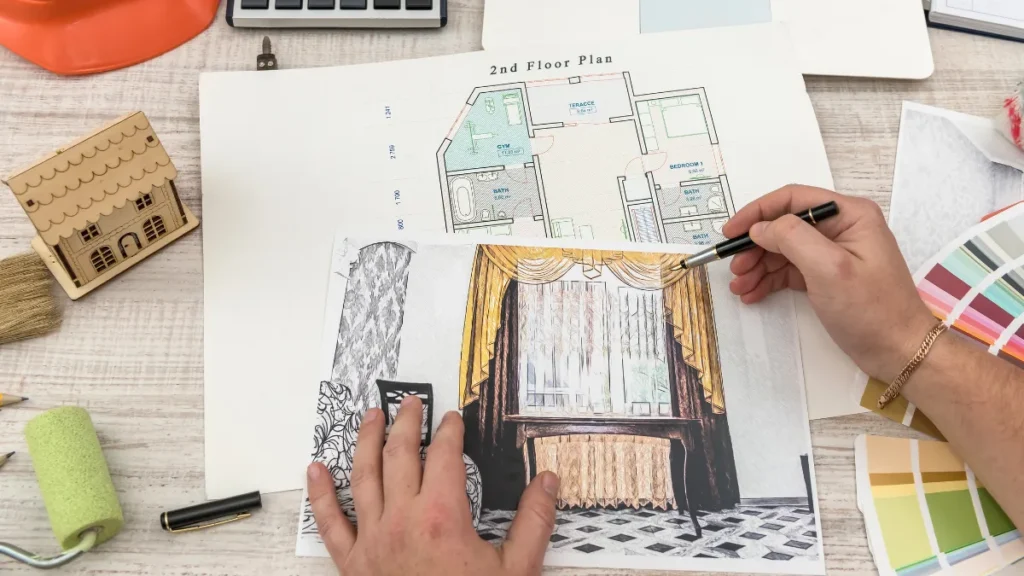
You do not have to hire a full service company to see a great return. Many sellers choose a hybrid approach to save cash. You can handle the heavy lifting of packing and cleaning yourself.
Clearing out closets and renting a storage unit costs very little money. This sweat equity keeps your cost of home staging incredibly low.
But you should highly consider hiring a professional for the actual design strategy. Paying a stager for a two hour consultation usually costs between $200 and $500.
They will tell you exactly what color to paint your walls. They will show you exactly how to arrange your existing furniture. This small upfront investment prevents you from making expensive visual mistakes.
3 Staging Mistakes That Destroy Your ROI
Even smart sellers make critical errors when preparing a house for sale. These common mistakes will actively push buyers away and lower your final sale price.
Staging Interventions
Preparing Your Home for Market
Pull Furniture Inward
Shoving couches against walls creates an awkward empty space in the middle. Instead, pull furniture inward to create cozy seating areas.
Fix the Lighting
Dark houses do not sell well. Replace every burnt bulb before photos, and strictly use warm white bulbs to make spaces feel bright and inviting.
Pack Personal Items
Buyers want to picture their own future, not your current life. You must pack away family portraits, daily toiletries, and pet beds.
Home Staging Cost and ROI Breakdown
Use this quick reference guide to decide which staging method fits your budget and goals.
| Staging Method | Estimated Cost | Best Way To Use This Strategy | Expected Impact |
| DIY Decluttering | $0 to $100 | Guest bedrooms, closets, and garages. | Makes the home look clean and spacious. |
| Pro Consultation | $200 to $500 | Getting a master plan for the whole house. | Prevents costly paint or layout mistakes. |
| Full Pro Staging | $1,500 to $3,000 | The living room, kitchen, and primary bedroom. | Drives the highest offers and fastest sales. |
| Virtual Staging | $50 to $130 per photo | Empty basements and vacant listings. | Generates massive online clicks from buyers. |
Conclusion
Staging is not a lost expense. It is a smart investment with a proven mathematical return. The numbers clearly show that preparing your house properly puts more money in your pocket.
You just need to focus your budget on the living room, primary bedroom, and kitchen. Leave the rest of the house perfectly clean and empty.