

Sitting in a stark white living room on a cloudy afternoon feels cold. The walls look terribly flat, and the entire space feels completely sterile instead of welcoming.
If you are searching for alternatives to all white interiors, this helpful guide shows you exactly what to do next. You will easily learn how top interior designers add warmth, depth, and genuine character to everyday bedrooms and living spaces.
We cover everything from painting with rich warm neutrals to layering natural woods and applying beautifully textured plaster walls. Let us warm up your home today.
Swap Stark White for Warm Neutrals: Best Alternatives to All White Interiors
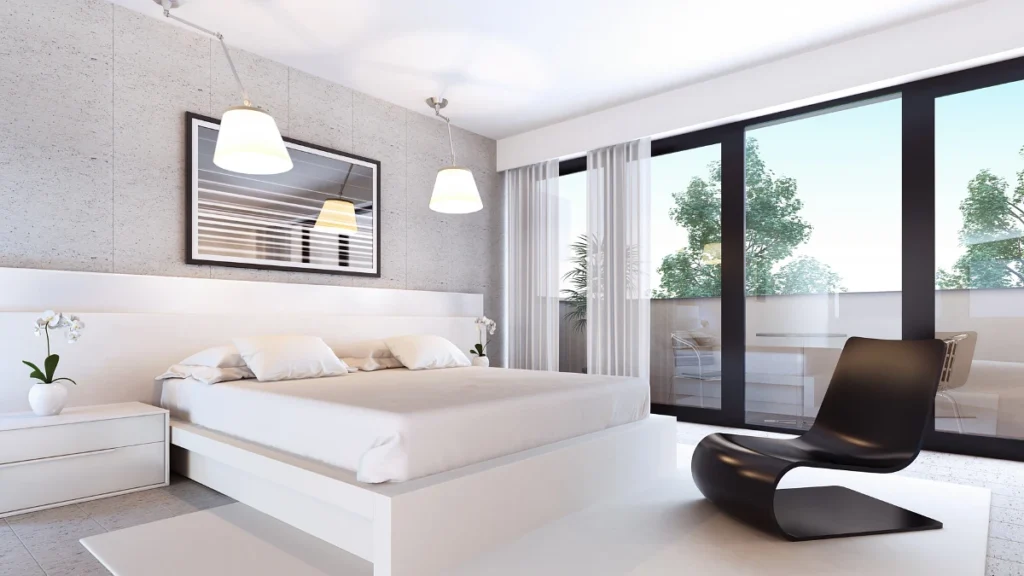
Look at your walls when the sun goes down. Stark white often turns a gloomy gray in low light. A stark room absorbs warmth and leaves you feeling uneasy. The space feels empty no matter how much furniture you buy.
These warm neutral paint colors fix this problem immediately. These shades include mushroom, taupe, putty, and warm beige. They reflect light differently than a flat white wall. Undertones completely change the feeling of a bedroom or living room.
A beige with a pink undertone adds soft morning energy. A taupe with a green base feels grounded and earthy. Rooms with north facing windows need warmer undertones to counteract the cool blue light. Rooms with south facing windows handle cooler taupes beautifully.
Designer Shea McGee notes that selecting the perfect paint requires testing. She explains that warm neutrals shift with the sun, bringing quiet movement to a space.
Keep the ceiling bright white while warming up the walls. This creates an illusion of height while keeping the room cozy. It stops the room from feeling like a closed box. Three specific designer favorite paints make this easy.
Benjamin Moore Pale Oak is a soft gray beige that works everywhere. Farrow and Ball Drop Cloth is a rich mid tone putty. Sherwin Williams Accessible Beige is a classic warm taupe that rarely fails.
Painting a room is the cheapest way to change its personality. A professional painter might charge $300 to $500 for a standard living room. Doing it yourself costs less than $100 in supplies. You just need a weekend and some patience.
Recent Houzz search data shows searches for “warm living room” increased by 36 percent over the last year. This proves interior color trends are moving away from sterile spaces. People crave environments that feel safe and inviting.
A fresh coat of warm beige instantly softens a room. Once you fix the walls, you need to look at what sits against them. Next, focus on the furniture.
| Popular Stark White Paint | Warm Neutral Alternative | Best Room to Apply |
| Chantilly Lace | Pale Oak | Living Room |
| Decorators White | Swiss Coffee | Bedroom |
| Extra White | Drop Cloth | Dining Room |
Layer Natural Wood Tones Over Painted Finishes
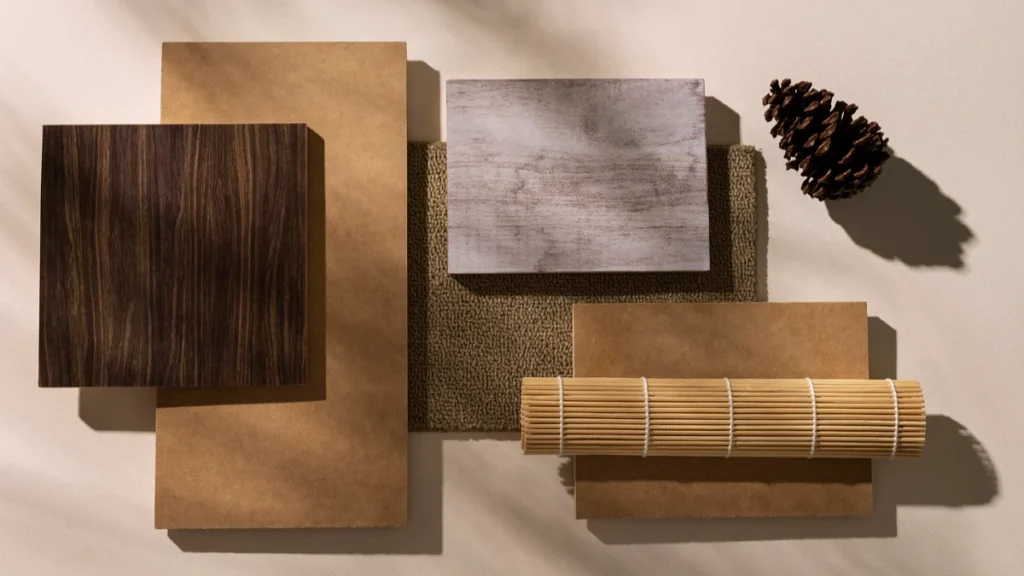
White furniture on white walls creates an invisible room. Everything blends together and creates a flat look. You need contrast to build a welcoming space. Natural wood furniture brings back the warmth that paint strips away.
Introducing mid tone woods like walnut, white oak, and teak gives a room an anchor. Solid pieces feel permanent and grounded. A solid wood sideboard instantly anchors a living room. The rich grain pattern gives the eye something natural to focus on.
Wood grain tells a story and adds character that painted fiberboard lacks. Adding warmth to a white living room means knowing how to mix different woods. Matching all your wood perfectly looks dated.
You want the room to feel gathered over time. Follow a few simple guidelines to make this work.
- Choose one dominant wood tone for large pieces.
- Pick a secondary wood tone for chairs or side tables.
- Keep undertones similar across different species.
- Use rugs to separate clashing wood floors and furniture.
- Limit a single room to three wood tones maximum.
Pinterest Trends reports a 45 percent increase in searches for “walnut bedroom furniture” globally. People want sturdy, natural materials back in their homes.
The Seno Walnut Sideboard from Article is a perfect example, costing $999. It offers a rich, warm tone that pops beautifully against light walls. Real wood furniture is an investment that lasts for decades.
You can find beautiful vintage pieces at thrift stores for under $200. Sanding and restraining an old dresser is a great weekend project. Consider the visual weight of your furniture when buying new pieces.
A heavy walnut bed frame needs lighter nightstands to balance the room. White oak nightstands contrast perfectly against the dark walnut. This prevents the room from feeling too heavy or dark.
Wood brings natural texture, but you can push the texture even further on your walls. Swapping just one painted white dresser for a solid walnut piece changes the entire gravity of your bedroom.
Embrace Color Drenching for Moody Dining Rooms and Offices
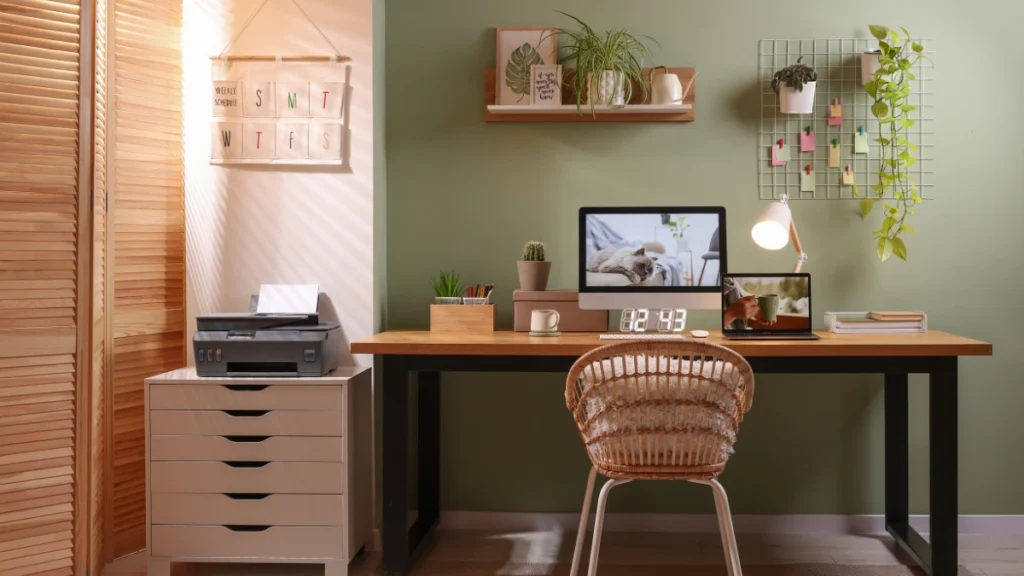
Some rooms simply do not look good painted light colors. Small spaces thrive in the dark. Color drenching is painting the walls, trim, baseboards, and ceiling the exact same color.
This method erases the visual boundaries of a room. This works beautifully in smaller rooms like dining rooms or home offices. It makes a tiny box feel like a deliberate, cozy den.
You stop noticing the tight corners when everything is uniform. Deep greens, terracotta, or rich plum paints create an intimate feel. Moody room colors wrap around you like a heavy blanket.
The room becomes a sanctuary from the outside noise. Designer Jake Arnold frequently discusses the emotional impact of color drenching living spaces. He believes painting the ceiling dark creates an unmatched sense of calm.
This technique contrasts beautifully against adjacent lighter rooms. Walking from a warm beige hallway into a dark plum dining room is a stunning experience. It makes the entire home feel custom and expensive.
Zillow research indicates homes with dark interior paint in dining rooms or offices sell for slightly more than homes with white dining rooms. Buyers appreciate the deliberate design choice. Dark walls also make your lighting fixtures pop.
A brass chandelier looks incredible against a dark green ceiling. The metallic finish shines brighter when surrounded by dark tones. A dark green dining room feels like an intimate restaurant.
You will never want to paint it white again. If bold color feels too intimidating, you can add depth through physical texture instead.
| Primary Wood Furniture | Best Complementary Accent | Wall Color to Match | Average Cost |
| Walnut Sideboard | White Oak Chairs | Warm Beige | $800–$1,500 |
| Teak Bed Frame | Ash Nightstands | Soft Mushroom | $600–$1,200 |
| White Oak Table | Black Ash Benches | Deep Green | $500–$900 |
Replace Flat Paint with Plaster: Textured Alternatives to All White Interiors
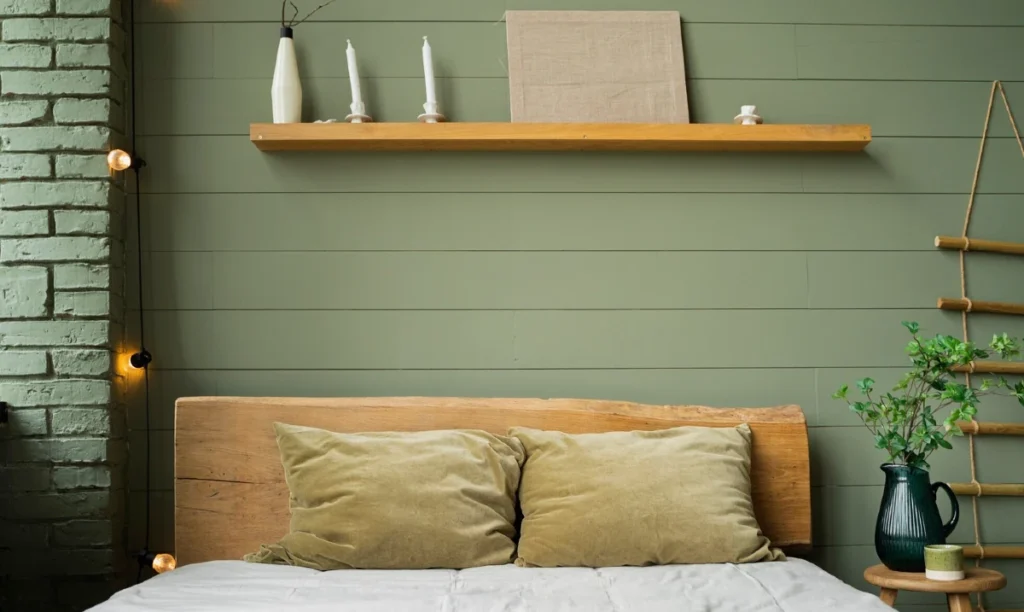
Flat white paint is visually dead. It absorbs light without reflecting any character back. When you look at a standard wall, your eye stops moving.
Replacing flat paint with limewash walls or Roman clay adds instant movement. These finishes create a cloudy, suede effect that looks centuries old. Even lighter colors feel cozy when you add physical texture.
The subtle shadows across a textured bedroom paint job bring walls to life. The light changes the texture every hour of the day. Apartment Therapy design surveys indicate textured wall finishes are the top requested upgrade for primary bedrooms.
People want spaces that feel handmade and intentional. Brands like Portola Paints offer incredible Roman Clay and Limewash options. A single gallon of their limewash costs around $65.
Roman clay applies with a putty knife instead of a brush. It gives a smoother finish that resembles polished marble. Limewash leaves visible brush strokes that look softer and more rustic.
Applying limewash in a bedroom requires a specific brush technique. It takes some patience but the results are incredible.
- Apply a specialized mineral primer to the wall.
- Dip a wide block brush into the limewash.
- Paint the wall using sweeping crisscross strokes.
- Keep a wet edge to avoid harsh lines.
- Apply a second coat after the first dries completely.
Limewash creates a soft, cloudy texture that makes a bedroom feel like a boutique hotel. It softens the acoustics and makes the room feel incredibly peaceful. If you rent your home, painting or plastering walls might be strictly off limits.
Use Textiles to Transition an All White Living Room
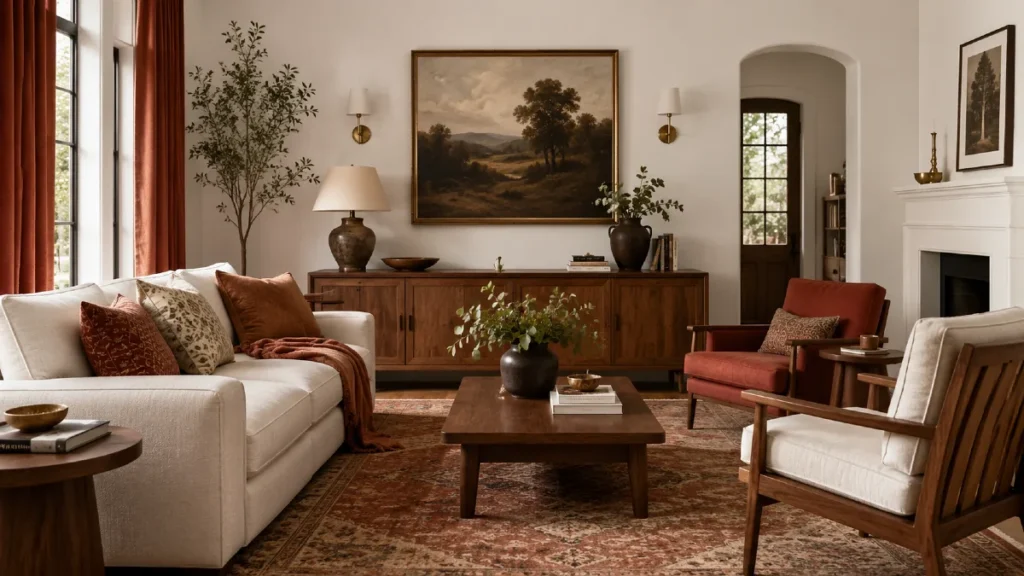
Renters are not stuck with sterile rooms. Fabric changes everything. When you cannot paint, textiles offer the fastest way to add warmth. Focus on hanging heavy drapes in velvet or thick linen.
A rich rust or golden ochre curtain completely changes the light filtering into the room. Hang the curtain rod high and wide to make the windows look larger. Swap out light, cool toned rugs for rich, vintage inspired rugs.
A deep patterned rug hides stains and grounds a floating white space. Brands like Loloi Rugs offer vintage inspired, warm toned textiles for around $150–$350. This is an affordable way to hide a plain floor entirely.
Make sure your rug is large enough for the front legs of your sofa to sit on it. Layer throw pillows in rust, ochre, and olive green on a neutral sofa. Colorful home decor pieces break up large blocks of white space easily.
Always use feather or down alternative inserts instead of cheap foam. A heavy insert makes a cheap pillow cover look expensive. You can change these covers whenever you want a new look.
National Retail Federation data shows consumers spend nearly 30 percent of their decor budget on textiles to refresh spaces quickly. It is the smartest investment for immediate impact. Blankets draped over chairs add another layer of cozy texture.
Heavy velvet curtains and a richly colored rug will completely mask a stark white box. Let us summarize how to pull these updates together.
Moving away from a clinical aesthetic requires three simple steps. First, move to warm neutrals on your walls. Second, layer natural woods through your furniture. Finally, use texture and heavy fabrics to create depth.
Buy three peel and stick paint samples in warm mushroom or taupe. Stick them on your living room wall and watch how the light changes them throughout the day. Finding alternatives to all white interiors takes a bit of planning, but the cozy result is worth it.