

You do not need a massive warehouse to start. You do not need thousands of dollars in capital either. You can claim your piece of the $862 billion global home decor market this year.
Most beginners get stuck right at the start. You might feel paralyzed by the logistics of buying inventory. Shipping heavy furniture and picking the right products can completely stop you before you even launch.
You can completely skip those headaches. We will show you a strict 30 day blueprint to build a living room based brand. You will use zero inventory models and 2026 consumer trends to build something real.
Zero-Inventory Launchpad
Skip the warehouse. Follow this strict 30-day blueprint to build your dropshipping decor brand from your living room.
Find Your Niche & Identity
Modern buyers want storytelling decor. Pick a tight niche (e.g., warm terracottas or sustainable organic textures) and define your target audience.
Source Without Inventory
Dropshipping removes the risk entirely. You only buy the item from the supplier after a customer pays you.
Build a High-Converting Store
People buy feelings, not dimensions. Over 60% of decor orders are mobile. Make sure your storefront is frictionless.
Market & Get First Sales
Partner with nano-influencers and leverage short-form vertical video. Show buyers how a product looks in a real home.
Week 1: Find Your Niche and Brand Identity (Days 1 to 7)

Think you need to sell everything to everyone to make money? Think again. The most successful new brands focus on a tiny slice of the market.
You need to identify what actually sells right now. Modern buyers want storytelling decor. They want pieces that mean something. Sustainable materials are also huge this year.
Smart and sustainable home decor solutions are projected to account for over 22% of sales in 2026. You should blend vintage aesthetics with modern chrome to capture attention. Harmonious color palettes like deep greens and warm terracottas are trending heavily right now.
Want to know the best part?
You can easily find profitable home decor ideas by looking at these exact trends. Pick a specific target audience instead of appealing to the masses. Decide exactly who your ideal buyer is.
Give your brand a clear name. A name like The Plan Decor sounds professional and inviting. Create a simple logo using a tool like Canva. Brands like Made Trade and Everlane Home capitalize on the minimalist and ethically sourced movement.
You can do the same thing on a smaller scale. Focus on high end interior design principles. Balance high gloss chrome with rich warm fabrics. Embrace the massive shift to organic textures.
Day 1 to 7 Action Checklist:
Brand Blueprint
Launch Your Vision
1. Niche Selection
Analyze the market and pick one specific niche from the explosive 2026 trends to ensure immediate relevance.
2. Audience Avatar
Laser-focus your messaging by defining your exact target customer profile, pain points, and desires.
3. Brand Identity
Brainstorm a memorable brand name and instantly check if the website domain is available for registration.
4. Visual Design
Establish your aesthetic quickly by designing a clean, simple text-based logo directly in Canva.
Week 2: Source Products Without Holding Inventory (Days 8 to 14)
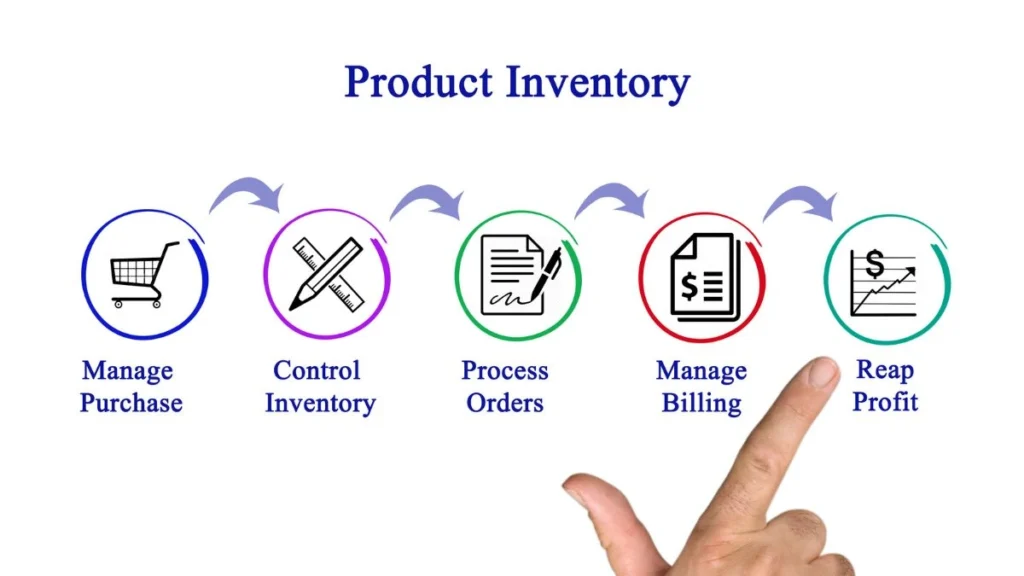
Think you need to order 500 units of a vase from overseas to start? Think again.
Now that you have a striking brand identity, it is time to put that logo on products people actually want to buy. You will use print on demand and dropshipping to source your items.
Traditional wholesale requires you to buy products upfront and store them. Dropshipping removes that risk entirely. You only buy the item from the supplier after a customer pays you. Mitigating inventory risk is the absolute key to launching from a living room.
Here is why that matters.
The online specific home decor market is estimated at $134.52 billion in 2026. This growth is heavily driven by personalized and custom made interior products. Platforms like Printify or Makers Row connect you with reliable suppliers.
These suppliers offer high quality margins. They print your designs on products and ship them directly to your customers.
You should select your first 10 to 15 core products. Here is a quick breakdown of popular items to consider for your store.
| Product Category | 2026 Trend Match | Profit Potential | Shipping Ease |
| Canvas Wall Art | Storytelling Decor | High | Very Easy |
| Throw Pillows | Organic Textures | Medium | Easy |
| Ceramic Mugs | Warm Terracottas | Low | Medium |
| Woven Blankets | Sustainable Materials | High | Easy |
Look for suppliers with good reviews and fast shipping times. Order samples of home decor dropshipping 2026 items to check the quality yourself. You never want to sell something you have not seen in person.
Day 8 to 14 Action Checklist:
- Create an account on Printify or Makers Row.
- Pick 10 to 15 products that fit your week one niche.
- Upload your designs to these products.
- Order one physical sample of your favorite item.
Week 3: Build a High Converting Online Store (Days 15 to 21)
Think you need to hire an expensive web developer to build your site? Think again.
You have your products ready to go. Now you need a beautiful virtual storefront to display them. You should choose a trusted ecommerce platform like Shopify. Shopify is incredibly user friendly for beginners.
You must create a few essential store pages. Your Home page needs to grab attention immediately. Your About Us page should tell your brand story. Your Shipping and Returns page must build trust with clear policies.
But there is a catch.
People do not buy products. They buy feelings. You need to write compelling product descriptions. Sell the feeling of the room instead of just listing the dimensions of the item.
Tell the customer how that organic textured pillow will make their couch feel instantly cozier. Write descriptions that include terms people actually search for. This helps you sell home decor online much faster.
Over 60% of modern home decor orders are placed via mobile devices. A mobile first website design is absolutely non negotiable.
You must check how your store looks on your phone before you show it to anyone else. Your checkout process must be completely frictionless on a small screen.
Day 15 to 21 Action Checklist:
- Sign up for a Shopify free trial.
- Build your Home, About Us, and Shipping pages.
- Write emotional product descriptions for your core items.
- Test the mobile checkout process on your own phone.
Week 4: Market Your Launch and Get First Sales (Days 22 to 30)
Think simply publishing your website will bring hundreds of eager buyers? Think again.
Your beautiful store is live. Now it is time to drive actual human beings to your product pages. You must leverage short form video to get attention. Platforms favor vertical video content right now.
Showcase your products in real homes. Buyers want to see how a polished chrome lamp looks next to a warm velvet chair before buying. This builds immediate trust.
Want to know a secret?
You do not need to film everything yourself. Partner with nano influencers in the interior design space. These are creators with 1000 to 5000 followers. They will often create beautiful content in exchange for a free product.
You can even create a specific brand persona. A persona like Hazel Quinn running a dedicated Pinterest business account can build massive trust.
This helps you share your aesthetic perfectly. This strategy provides endless profitable home decor ideas for your marketing campaigns.
You also need to set up basic automated email flows. People will add items to their cart and leave. An abandoned cart email reminds them to come back and finish their purchase.
This one simple automation can save 10% to 15% of your lost sales. Focus on consistent daily marketing actions. Keep showing up and sharing your brand story.
Day 22 to 30 Action Checklist:
Boutique Activation
The 4-Step Retail Rollout
1. Secure the Revenue
Set up an automated abandoned cart email flow inside your Shopify terminal to recover lost sales passively.
2. Build Social Proof
Identify and pitch your product directly to five interior design nano-influencers to generate authentic aesthetic testimonials.
3. Produce Context Video
Record and publish one short vertical video highlighting your curated product placed dynamically in a real room setting.
4. Gather Core Support
Broadcast your official brand launch out to your primary network of friends and family to capture early momentum.
Conclusion
You just learned the exact 30 day process to build your brand. You started by finding a specific niche. Then you secured zero inventory sourcing. You built a mobile friendly storefront. Finally, you planned your launch marketing strategy. You have all the steps ready.
There is no need to wait for the perfect moment. Take your very first step right now. Register your domain name today as your official Day 1 task.