

Claire wanted beautiful rooms but had a strict budget of $0 for new furniture. This lack of funds left her living with bare walls and cheap plastic accessories that broke easily.
Then she discovered flipping home decor to fund her own space. She started buying tarnished brass and dusty wood pieces for pennies. Within months she built a reliable system to clean and sell these finds.
This guide covers her exact method for sourcing, restoring, photographing, and selling vintage items for high profit.
The Flip & Reveal Challenge
Tap the dirty thrift store finds below to clean them, sell them, and reveal your actual profit margin!
Tarnished Candlesticks
Restored & Sold!
Dry Oak Bowl
Restored & Sold!
Cheap Art Print
Upcycled & Sold!
Silver Frame Mirror
Restored & Sold!
What to Look For at Thrift Stores
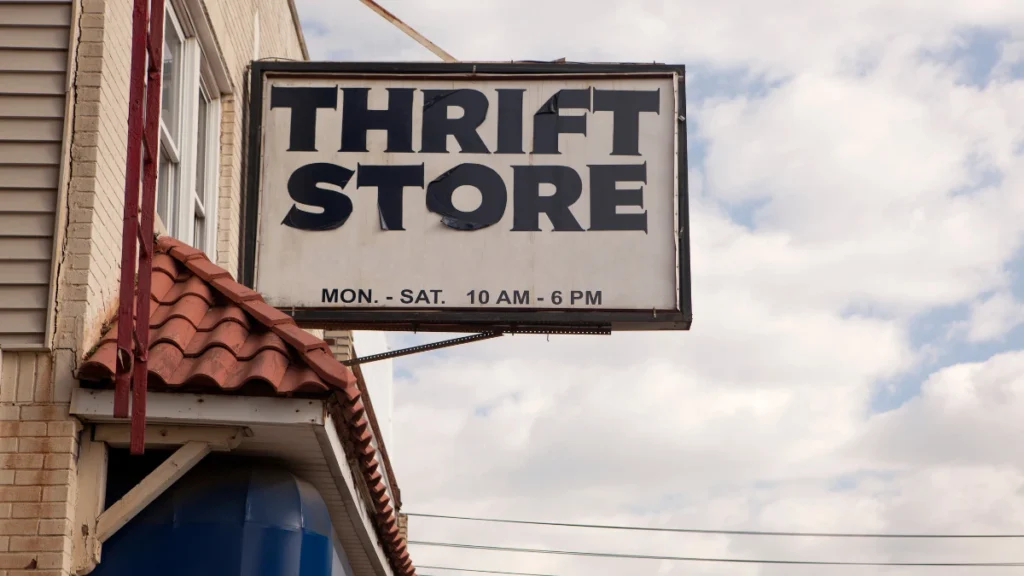
Claire made a terrible mistake on her very first thrift trip. She bought a heavy ornate mirror for $25 thinking it was solid antique metal. She brought it home and realized the frame was cheap molded plastic painted gold.
That mistake taught her to evaluate every single item carefully. Once she knew what aisles to hit, she needed to know exactly what she was holding. She always heads straight to the art, lighting, and small metal sections first.
These areas hold the highest concentration of hidden value. She relies heavily on the lift test to verify quality. Heavy items usually indicate solid materials. A cheap reproduction feels dangerously light and hollow in the hand.
Claire researched the market to understand why this matters. She read a Mercari annual resale report showing massive growth in the secondhand home goods market. Buyers want quality pieces that last and will pay a premium for them online.
To avoid wasting money she follows a strict list of items to skip:
- Clear glass vases from floral deliveries
- Plastic picture frames
- Chipped ceramic mugs
- Particleboard furniture with peeling edges
- Tarnished silver plate trays
These items flood thrift stores and offer terrible profit margins. Claire leaves them on the shelf and focuses only on premium materials. The magnet test helps her identify those materials quickly.
Before checking out, Claire inspects every hinge, joint, and surface. A damaged solid wood bowl still holds value. A cracked plastic bowl is just garbage.
She learned that thrift store flipping requires a sharp eye for potential. Buyers want character, not just old junk. She never buys broken items that require extensive professional repairs.
Identifying High Quality Materials

Cheap materials will never yield high profits. Buyers pay premium prices for authentic pieces they cannot find at big box stores. Claire focuses entirely on solid wood, real brass, and authentic ceramics.
Finding solid materials is great, but they usually look terrible on the thrift store shelf. A layer of grime hides the beautiful solid wood grain. Claire taps every wooden item to check the sound.
A solid sound means real wood. A hollow sound indicates cheap veneer. Buyers hate particleboard because it chips easily and cannot be repaired. Solid wood can always be sanded down and restained if damaged.
She learned the importance of material lifespan during her research. She found National Association of Home Builders data stating solid wood furniture lasts lifetimes longer than particleboard. This durability makes profitable vintage decor highly desirable.
Claire uses a simple refrigerator magnet to test every metal item. Solid brass does not hold a magnet. If the magnet sticks, the item is simply cheap plated steel. She always leaves magnetic metal behind.
Resin accessories masquerade as heavy stone or ceramic. Claire taps them with a fingernail to check for a dull plastic sound. Authentic ceramics feel colder to the touch and sound sharp when tapped.
| Material | Visual Cue | Touch Test | Magnet Test |
| Solid Brass | Warm yellow tone | Heavy | Does not stick |
| Plated Brass | Shiny or peeling | Lightweight | Sticks |
| Solid Wood | Continuous end grain | Heavy and cold | N/A |
| Wood Veneer | Repeating grain pattern | Hollow sound | N/A |
Claire relies on these cues every time she sources inventory. She knows dirt and tarnish often scare away other shoppers. This dirt is actually a good thing.
The grime keeps the thrift store price low and leaves room for her profit. She loves finding a dusty brass candlestick hidden behind cheap plastic toys.
The average shopper assumes the tarnish means the item is ruined. Claire knows the dirt just protects the valuable metal underneath. Material quality dictates the final resale price entirely.
The Cleaning and Restyling Process
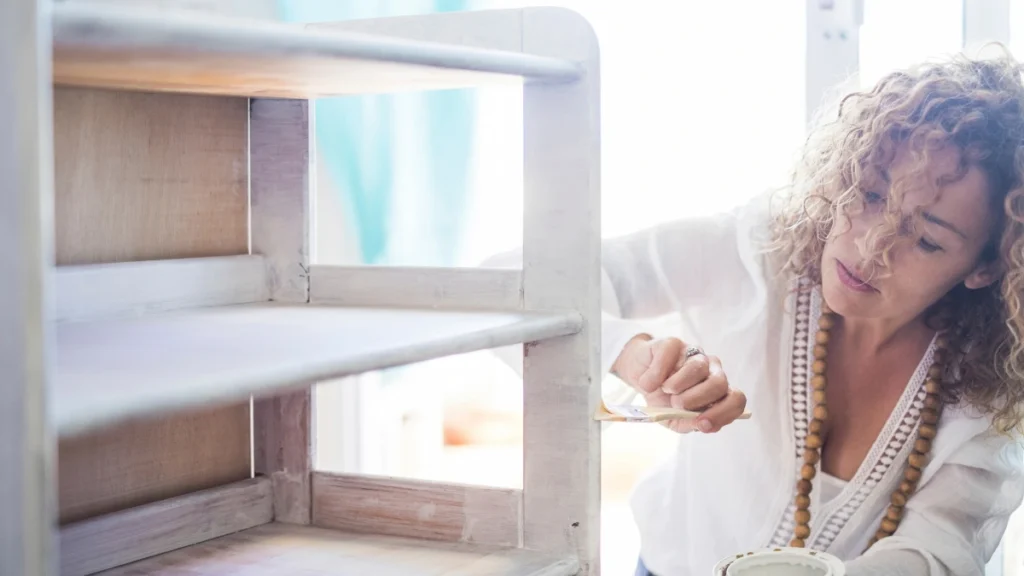
The exact moment a dirty item transforms into a premium piece is magical. Claire takes her thrifted finds home and sets up a dedicated cleaning station. She keeps her supplies simple and highly effective.
Her cleaning kit contains Bar Keepers Friend for metals. She uses Howard Feed N Wax to bring dry wood back to life. She keeps Rub n Buff on hand for minor frame touch ups.
These three products handle almost every restoration job she encounters. Flipping home decor successfully means knowing when to stop cleaning. Claire removes active dirt and grime but carefully protects the original patina.
Buyers want vintage items to look old, just not filthy. She learned this balance through trial and error. She once scrubbed a vintage brass lamp until it looked brand new.
The piece lost all its character and sat unsold for months. Now she uses a gentle touch. She lightly polishes the high points and leaves the dark oxidation in the crevices.
Claire applies orange oil and wax to thirsty wooden bowls. The dry gray wood instantly turns rich and warm. This simple five minute process doubles the perceived value of the item.
During her pricing research Claire discovered compelling staging statistics. She read National Association of Realtors data showing how presentation drastically increases perceived value. Clean and styled items command much higher prices than raw items.
Interior designer Nate Berkus frequently speaks about the value of vintage patina in modern spaces. Claire read an interview where he explained how aged items give a room a soul. She keeps his philosophy in mind while restoring every single piece.
A clean item means nothing if nobody can see it clearly. Claire spends just as much time preparing for the camera as she does scrubbing. Cleaning is only half the battle.
She wipes down every ceramic vase with a damp microfiber cloth to remove price tag residue. Sticky residue ruins the buyer experience immediately. This attention to detail builds her reputation as a premium seller.
Taking Photos That Sell Instantly
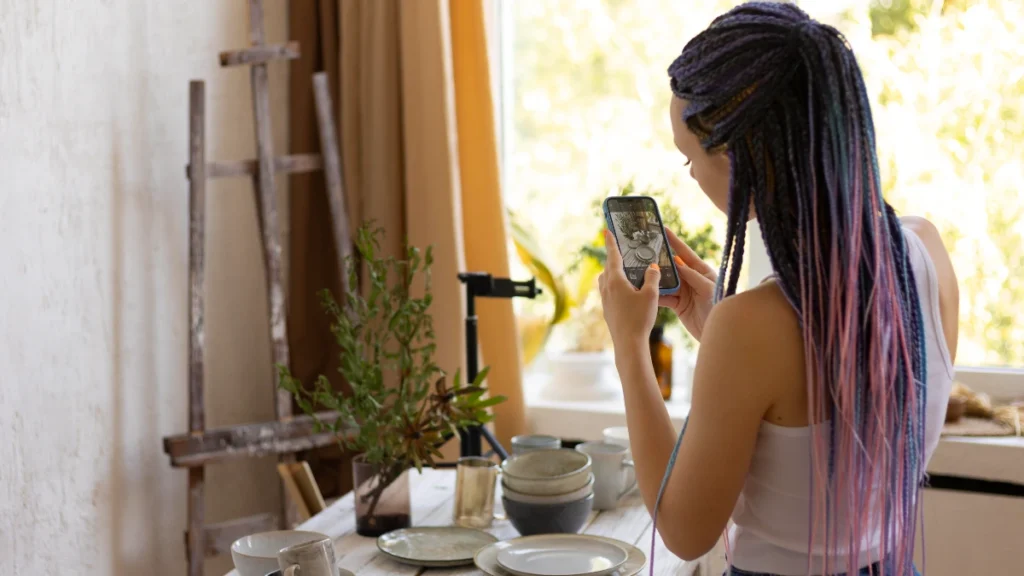
Terrible photos are a huge advantage when buying online, but they become a worst enemy when selling. Claire spots underpriced treasures online because the seller took a blurry photo in a dark garage. She makes sure her own listings never look like that.
Her photos attract the buyers and stop them from scrolling past. She shoots everything strictly in natural indirect sunlight. Harsh direct sun creates ugly shadows.
Overhead indoor lighting turns beautiful items completely yellow. She places a small table near her brightest window to serve as her photo studio.
Claire stages each item in a real room setting instead of using a blank white box. She wants buyers to picture the piece in their own homes.
Designer Justina Blakeney often highlights the magic of mixing thrifted items into modern spaces. Claire applies this concept by styling vintage pieces alongside contemporary books and fresh plants. This styling approach makes old items feel fresh and relevant.
Claire shoots a minimum of six photos for every single listing. She captures the front, back, sides, bottom, and any flaws. E commerce data shows conversion rates increase significantly for listings with more than five high resolution photos.
She uses neutral props to show the scale of an item. A stack of standard hardcover books helps buyers understand the size of a brass figure. Clear scale prevents returns from disappointed buyers.
Her photos attract the buyers. Her pricing strategy closes the deal. Beautiful imagery builds immediate trust with a stranger on the internet.
Claire never uses a flash under any circumstances. A camera flash flattens the image and creates ugly harsh glares on metal. Good lighting remains the single most important rule of this entire process.
Pricing Your Decor for Maximum Profit

Setting the correct price determines whether an item sells in an hour or sits for a year. Claire aims for a strict profit margin on every piece she buys. She expects to multiply her investment significantly.
If she buys a tarnished brass mirror for $10, she researches its true market value. She checks sold listings on multiple platforms to find accurate comps. Active listings only show what people are asking, not what buyers actually pay.
Claire discovered that pricing slightly below the market average creates bidding wars. If the average sold price is $175, she prices her mirror at $150. This competitive price draws immediate attention and fast cash.
She always factors her cleaning supplies and time into the final price. Resell home decor requires labor. She values her time at a specific hourly rate to ensure she actually makes money.
Industry data on average profit margins for vintage online retailers shows the importance of buying low. Claire read that successful sellers maintain margins well above fifty percent. She uses this data to justify walking away from overpriced thrift store items.
She tracks her expenses in a simple spreadsheet. She logs the purchase price, cleaning supplies cost, and final selling price. Some dedicated sellers make $1,500 a month doing this exact process.
She also monitors Pinterest search volume for terms like vintage brass decor. She tracks Google Trends to watch for the seasonal thrift flip spike every spring. This research tells her exactly when to list specific items.
She has the perfect listing and the right price. Now she needs eyeballs on her products. Choosing the right marketplace matters just as much as setting the right price.
Where to List Your Flipped Items

Local selling platforms offer fast cash without the hassle of shipping boxes. Claire uses Facebook Marketplace for all her heavy furniture and oversized mirrors. Buyers drive to her location and hand her cash directly.
Shipping platforms reach a massive national audience and often bring higher prices. Claire reserves Etsy and Mercari for small rare vintage pieces. These buyers actively search for specific aesthetics and gladly pay shipping fees.
Recent platform data shows staggering active user numbers for Facebook Marketplace compared to niche antique sites. Claire takes advantage of this massive local traffic. She lists her items across multiple platforms to increase visibility.
She quickly learned which items perform best on which platform. Success requires matching the item to the right audience.
| Item Type | Average Buying Price | Average Selling Price | Effort Level |
| Brass Candlesticks | $2–$5 | $35–$60 | Low |
| Solid Wood Frames | $3–$8 | $40–$75 | Medium |
| Vintage Table Lamps | $10–$15 | $80–$150 | Medium |
| Studio Pottery | $4–$10 | $45–$90 | Low |
Small pottery pieces ship easily and safely in priority boxes. Large wooden frames require custom boxes and expensive shipping labels. Claire factors these logistics into her sourcing decisions before she ever leaves the thrift store.
Local buyers often ask for measurements before picking up. She always includes the height and width in the main description. She writes clear honest descriptions highlighting the best features.
Now that Claire understands the entire system, she runs a highly profitable side business. Facebook Marketplace remains the absolute easiest platform for beginners to start making money today.
She highly recommends starting local to avoid the stress of broken shipments. Wrapping fragile ceramics takes practice and plenty of bubble wrap. She slowly transitioned to shipping only after she mastered local sales.
Claire transformed her empty apartment into a beautiful space while making a substantial profit. Her method relies on three critical steps. She exclusively buys high quality solid materials.
She invests real time into cleaning and styling. She always checks sold market prices before listing. Anyone can replicate this exact system.
A beginner can go to a local thrift store this weekend and spend $10 on one solid wood or brass piece. They can follow Claire’s steps to clean the item and photograph it in bright sunlight. Flipping home decor takes practice, but the financial rewards are entirely real.