

Amanda needed a stylish bedroom dresser but could not afford new solid wood prices. She hated staring at her flimsy laminate furniture that bowed under the weight of her clothes.
This guide reveals her exact method for flipping furniture for profit safely. It covers the timeline she followed, the supplies she purchased, and the styling strategy she used.
She secured a dusty piece online and quickly turned a small investment into a massive resale success. Anyone with a free weekend can replicate these exact steps.
How to Spot High Profit Facebook Marketplace Finds
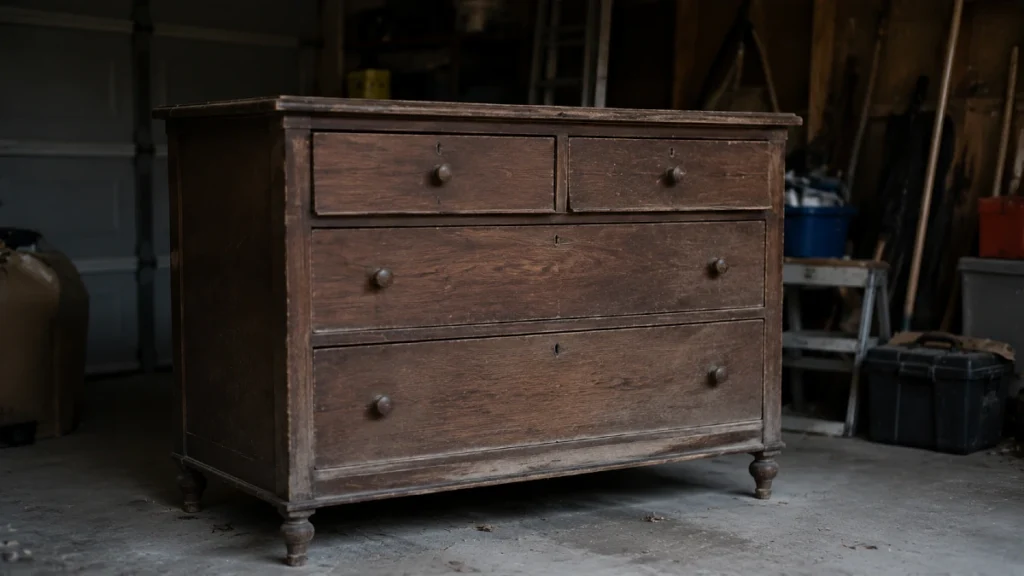
Amanda almost scrolled past the blurry thumbnail photo on her phone. The lighting in the picture was terrible. The piece looked completely abandoned in a cluttered garage.
She zoomed in and noticed the distinct grain pattern of a solid wood dresser. Bad photos often hide the most profitable deals online. Sellers who take poor pictures usually just want the bulky item gone quickly.
Amanda used this visual evidence to her advantage while hunting for facebook marketplace furniture flips. She spent several days scrolling through local classifieds. She used specific search filters to weed out cheap particle board junk.
She avoided terms like antique because sellers frequently overprice those items. Instead, she searched for simple terms like old dresser or heavy wooden cabinet. She looked closely at the drawer edges in the uploaded photos.
Laminate furniture usually has peeling strips along the corners and edges. This piece had continuous wood grain, confirming it was high quality. Amanda sent a polite message to the original seller immediately.
She asked if the drawer tracks worked smoothly and if the frame felt sturdy. The seller confirmed minor cosmetic wear but absolutely no structural damage. The original asking price for the piece was $50.
Amanda knew the piece had massive potential for a high return. A 2023 Pinterest Predicts report highlighted a 40 percent increase in searches for upcycled furniture. She offered $30, explaining she would pick it up within the hour.
The seller agreed to the lower price immediately. Amanda borrowed a larger vehicle and drove directly to the pickup location. When she arrived, the piece was covered in thick dust and cobwebs.
Many people would have walked away at this point. Amanda checked the wooden legs for water damage and the joints for looseness. Everything felt incredibly solid despite the surface grime.
She handed over the $30 in cash to close the deal. Loading heavy solid wood requires careful lifting and planning. Amanda and the seller hoisted the bulky item into the trunk together.
She secured it with heavy straps to prevent sliding during transit. Bringing the piece home was a serious physical workout. She dragged it into her small workspace and wiped away the first layer of dirt.
The true condition of the wood finally emerged under the garage lights. It was heavily scratched and stained, but the bones were perfect. Finding this solid foundation is the absolute first step for success.
The 48 Hour Timeline for Flipping Furniture for Profit
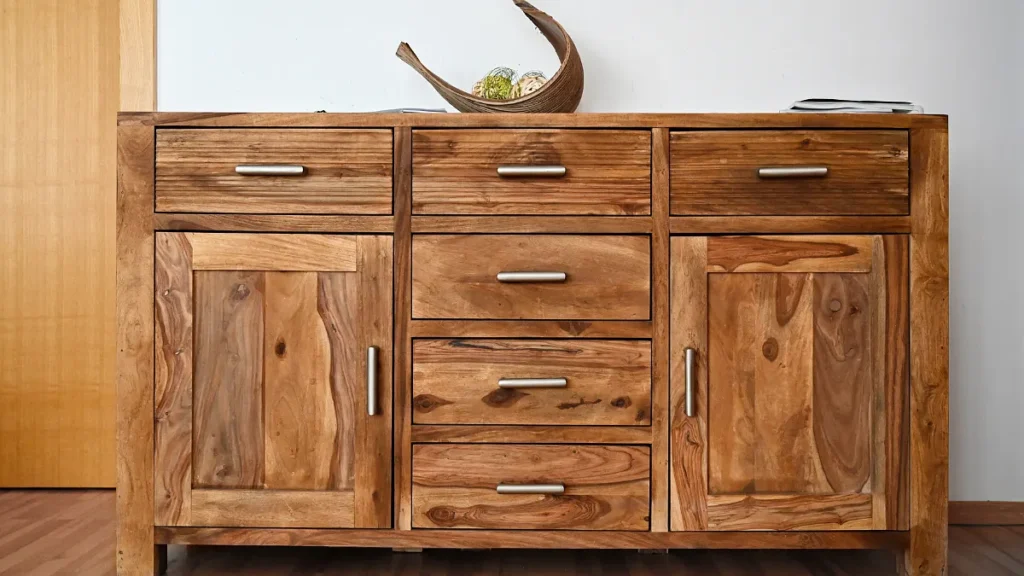
Amanda started her restoration project at exactly four o’clock on Friday afternoon. She wanted to test how to flip furniture fast without cutting any quality corners. Her main goal was a completely finished piece by Sunday evening.
Day One Preparation
The first hour involved heavy duty cleaning and dismantling. She removed all the heavy drawers and took off the old wooden knobs. The piece needed a completely clean slate before any sanding could begin.
Sanding always creates a massive mess in any workspace. Amanda wore a basic dust mask and safety glasses to protect herself. She spent two hours stripping the old, shiny varnish down to the raw wood underneath.
She found a few deep scratches on the top flat surface. Amanda filled these rough gouges with a stainable wood filler compound. She waited thirty minutes for the filler to dry before sanding it completely smooth.
By eight o’clock that evening, the dresser was entirely raw and dusted off. Amanda applied a thick coat of stain blocking primer over the entire frame. This essential step prevents old wood tannins from bleeding through the final paint.
She followed standard manufacturer guidelines for the chemical curing process. Oil based primers require up to 24 hours to cure before topcoats apply smoothly. Amanda left the primed piece to dry in her garage overnight.
Day Two Painting
Saturday morning started with a very light sanding over the cured primer. This quick step knocked down any rough texture or leftover brush strokes. A completely smooth base layer is essential for achieving a professional finish.
Amanda spent the rest of Saturday applying her chosen paint color. She painted the outer frame first, then tackled each individual drawer front. She used very thin, even coats of paint to avoid ugly drips.
The first coat dried for four straight hours. Amanda applied a second coat late Saturday afternoon to ensure full coverage. The old dresser was finally starting to look like a high end boutique piece.
Sunday morning focused entirely on the final protective details. She sealed the dried paint with a clear, water based topcoat. This final layer protects the beautiful finish from daily wear and tear.
Her strict furniture restoration timeline kept her entirely on track. By Sunday afternoon, the clear topcoat felt completely dry to the touch. The physical transformation of the piece was officially complete.
The Supply Cost Breakdown
Amanda tracked every single penny she spent on this weekend project. Keeping overhead costs low is crucial for maintaining high profit margins. Here is her exact spending breakdown for the entire flip.
| Item Name | Total Item Cost | Amount Used | Actual Project Cost |
| Vintage Dresser | $30 | 100% | $30 |
| Degreaser Spray | $8 | 25% | $2 |
| Oil Based Primer | $18 | 50% | $9 |
| Enamel Paint | $25 | 50% | $12 |
| Brass Hardware | $22 | 100% | $22 |
| Total | $75 |
Exact Supplies Used for This High Profit Flip
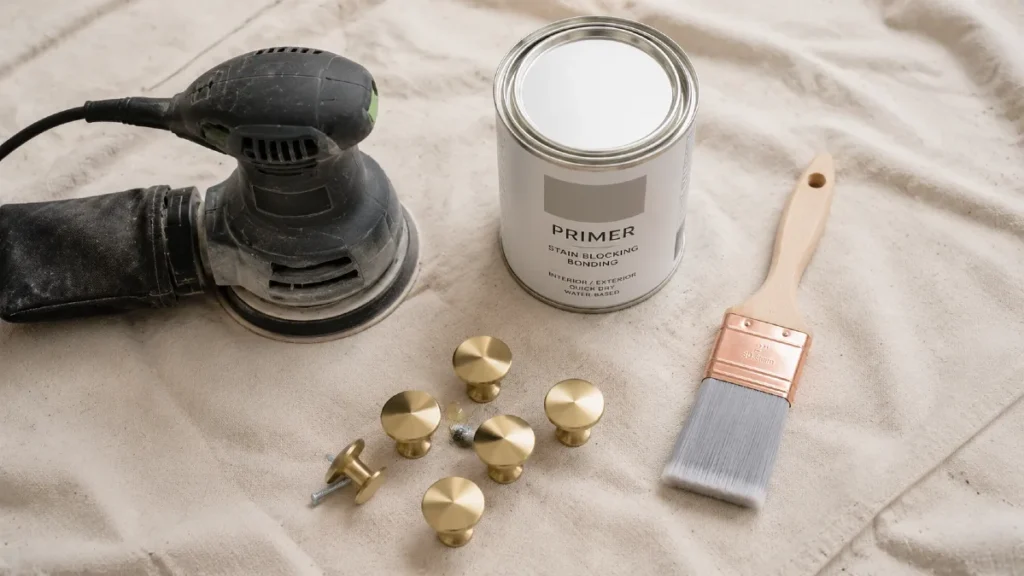
Amanda learned quickly that she did not need a massive professional workshop. A few high quality furniture flipping supplies made all the difference in her results. She gathered all her required materials before starting the timer.
Proper cleaning chemicals are absolutely required for older pieces. Amanda used a bottle of Krud Kutter degreaser, which costs around $8 at hardware stores. This easily removed decades of sticky residue that regular soap could not handle.
Sanding dense wood by hand takes entirely too much time. She invested in a Dewalt random orbital sander several years ago. It remains her most valuable tool for creating smooth surfaces quickly.
She bought a multi pack of sanding discs for $15. Amanda started with an eighty grit paper to aggressively remove the old finish. She smoothed the raw wood afterward using a much finer one hundred twenty grit disc.
Choosing the right paint drastically changes the final resale value. Amanda searched through popular upcycled furniture ideas online for styling inspiration. She settled on a durable enamel paint in a rich, moody color.
She deliberately skipped the cheap craft paints sold in hobby stores. A premium quart of enamel costs roughly $25 but provides a factory smooth finish. It resists chipping and scratching much better than trendy chalk paint.
The original wooden knobs made the entire dresser look incredibly dated. Amanda knew that small details heavily influence a buyer’s overall perception. She decided to replace the handles completely to modernize the piece.
Interior styling surveys show that upgrading cabinet or dresser hardware yields a return on investment of up to 85 percent upon resale. This single design change elevates the entire look of the furniture.
She purchased modern brass pulls online for exactly $22. If she had wanted to save even more money, she could have kept the original hardware. A tube of Rub n Buff metallic wax costs $9 and easily updates old metal.
Amanda chose the brand new brass pulls because their sleek lines contrasted beautifully against the fresh paint. Every dollar spent on these specific supplies felt highly intentional. She knew the upfront investment would easily pay off.
Her entire supply kit fit inside a single plastic storage bin. Anyone with a small garage or apartment patio can easily store these basic tools.
Staging Secrets for Flipping Furniture for Profit
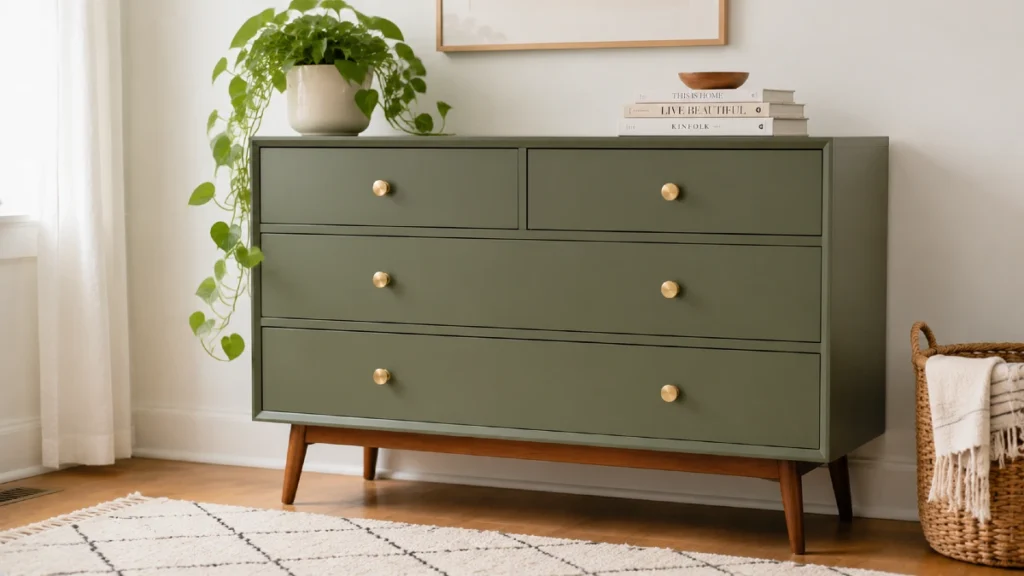
Amanda knew that bad indoor lighting ruins great paint jobs. She had seen too many beautifully restored pieces sitting unsold online. They were usually photographed in dark basements or messy, cluttered driveways.
Good photos grab a buyer’s attention instantly. Amanda cleared a corner in her own living room to create a temporary photography studio. She placed the finished dresser directly against a clean, blank wall.
She timed her photo shoot for early Sunday afternoon. The natural window light in her home was softest and most flattering at this time. Sunlight highlighted the smooth paint finish without creating harsh, distracting glares.
Styling a dresser is just as important as sanding and painting it. Amanda gathered a few decorative items from around her house to serve as props. She wanted potential buyers to envision the piece sitting in their own homes.
She placed a trailing pothos plant on the top left corner of the dresser. A stack of hardback interior design books sat neatly on the right side. She finished the look with a large, simple mirror leaning casually against the wall.
Real estate and resale data heavily support this extra effort. Listings with lifestyle staging sell 73 percent faster than items photographed in cluttered garages. Visual context entirely changes how people value a second hand item.
Sarah Jenkins is an interior stylist who regularly incorporates vintage decor into modern homes. She notes that buyers struggle to visualize an item’s potential if it sits next to a lawnmower. Proper staging provides an immediate emotional connection for the buyer.
Amanda snapped several photos from many different angles. She took a wide shot showing the entire staged setup in the room. She then moved closer to capture the bright gleam of the new brass hardware.
She made sure to photograph the sides and the top surface clearly. Buyers want to see the flawless finish they are paying top dollar for. Amanda even pulled a drawer open to show the perfectly clean interior.
These staging props cost her absolutely nothing extra. She simply borrowed things she already owned and used daily. The visual impact, however, added hundreds of dollars to the perceived resale value.
This attention to styling detail is the true secret behind her success. The physical restoration makes the piece functional, but the beautiful staging makes it highly desirable. Amanda reviewed her final photos and felt completely ready to list the item.
Expected Profit Margins by Furniture Type
Amanda researched various thrift pieces before deciding what to flip next. Different items yield different returns based on local demand and physical labor. Here is what her research revealed about average profit margins.
| Furniture Type | Average Sourcing Cost | Average Flip Time | Expected Resale Price |
| Nightstand Pairs | $20–$40 | 8 Hours | $150–$250 |
| Solid Wood Dressers | $30–$75 | 12 Hours | $300–$500 |
| Coffee Tables | $15–$30 | 6 Hours | $100–$200 |
| Dining Sets | $50–$100 | 20 Hours | $400–$800 |
Writing a Facebook Marketplace Listing That Sells

Amanda knew a simple title like “Old Dresser” would leave serious money on the table. Buyers always search for specific styles, paint colors, and building materials. Her listing text needed to reflect exactly what people wanted to buy.
She looked at recent Pinterest insights to understand current buyer aesthetic preferences. She noticed a massive search volume for sage green painted dressers. She also saw seasonal search spikes for bedroom makeover ideas during early spring.
Her listing title read: “Mid Century Modern Solid Wood Dresser Sage Green”. This captured several high traffic search terms at once. It immediately communicated the popular style, sturdy material, and trendy color.
Writing highly detailed descriptions is crucial when trying to sell flipped furniture online. Amanda listed the exact height, width, and depth in the very first sentence. Buyers need to know if the piece fits inside their cars and bedrooms.
Amanda included these specific phrases in her description:
- Solid wood construction
- Mid century modern style
- Sage green enamel finish
- Brand new brass hardware
- Smooth gliding drawers
Highlighting these quality indicators fully justifies a higher asking price. She uploaded five high quality photos to her digital listing. Platform statistics show that listings with more than three clear photos receive twice the engagement.
Her staged wide shot served as the primary cover image. Pricing requires a very strategic approach based on local market research. Amanda checked the average resale value of a mid century modern dresser in major metropolitan areas.
High end restored pieces often retail for well over $1,200 in boutique shops. She wanted a relatively fast sale, so she priced her dresser at $490. This left her comfortable room to negotiate down to $450 if absolutely necessary.
The asking price reflected the high quality finish without alienating strict budget buyers.
Professional furniture flipper Maggie McGaugh emphasizes this exact pricing balance in her tutorials. McGaugh states that if your staging looks expensive, buyers will gladly pay your asking price.
As soon as the listing went live, the buyer messages started flooding in rapidly. Amanda answered questions politely and confirmed the exact dimensions for two different people. Within four hours, a serious buyer agreed to her full asking price.
The buyer arrived on Monday morning and handed over $490 in cash. Amanda helped load the beautiful green dresser into their spacious vehicle. Her weekend restoration project had officially paid off.
She successfully mastered the digital art of selling online. The process required physical effort, but the financial reward was completely undeniable.
Conclusion
Amanda proved that anyone can succeed at flipping furniture for profit with the right approach. Her massive success came down to three specific choices. First, she sourced a structurally sound, solid wood piece instead of cheap laminate.
Second, she invested time in proper prep work like chemical degreasing and thorough sanding. Third, she staged the final painted piece beautifully using natural light and simple household props.