
Picture turning a quick trip to the hardware store and an $8 investment into a $150 payday before the weekend is over. Most people want to start a side hustle to make extra money.
Meet Sarah. She built a highly profitable business by avoiding those exact problems. You will learn exactly how she creates minimalist plaster art from scratch.
We will break down her exact $8 supply list. Then we will show the marketing strategy she uses to sell them for premium prices in 2026.
It is the ultimate guide to creating beautiful DIY textured wall art. It is one of the best high profit margin crafts you can start right now.
Why Textured Plaster Art is the Ultimate High Profit Margin Craft
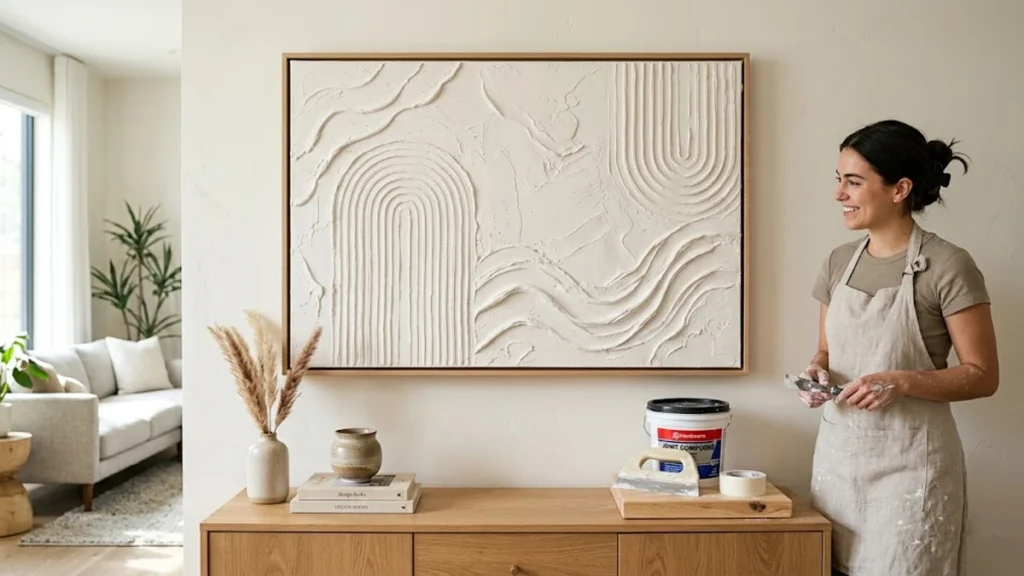
People want luxury aesthetics in 2026. They just do not want to spend $1,000 at a premium home store. This gap in the market is exactly where Sarah stepped in.
Earthy and tactile interior design is incredibly popular right now. Texture naturally looks expensive to buyers.
A flat canvas print looks cheap and has a low perceived value. A heavily textured plaster canvas looks like a museum piece with a very high perceived value.
Physical art currently beats digital products in return on investment. Craftybase reports that handmade decor leads physical crafts with up to 93% profit margins in 2026.
Furthermore, 68% of consumers will pay premium prices for unique handmade items.
Here are the main benefits of this business model:
Maker’s Hustle Blueprint
Scalable Artisan Venture
1. Minimal Overhead
Ensure very low startup costs by sourcing materials locally and selling direct-to-consumer.
2. Tool-Free Crafting
Focus on techniques that require no complicated tools, keeping your workshop simple and mobile.
3. High Perceived Value
Position your brand to capture high perceived value from buyers through superior design and storytelling.
4. Streamlined Production
Optimize your workflow to ensure fast production times, allowing for rapid inventory replenishment.
The $8 Supply List: Everything You Need to Start
Here is the exact shopping list Sarah uses. She completely skips expensive art store mediums. Why pay $30 for modeling paste when a $7 tub of joint compound does the exact same thing?
You can buy blank canvases in bulk to save money. Standard drywall joint compound from the hardware store works perfectly for the texture. Generic plastic trowels spread the paste easily. Cheap acrylic paints finish the job.
Here is the crazy part. The final cost per unit is shocking.
- Canvas: $4.00
- Joint Compound: $1.50
- Paint: $1.00
- Sealer and Hardware: $1.50
- Total Cost: $8.00
How to Make Plaster Art That Looks Expensive
You do not need to be good at drawing to succeed at this. It is about movement, not precision. Sarah focuses on simple and bold textures.
The 3D geometric arch and earth woven neutral patterns are top selling motifs on Etsy in 2026. Patience is the hardest part of the whole process. Drying takes time. Let us look at how to make plaster art from start to finish.
Textured Canvas Art
Studio Process Protocol
1. Prime the Surface
Apply a thin, uniform layer of compound to your canvas to prevent structural warping.
2. Build the Design
Using a sweeping motion, apply thick, textured layers of compound to form your main composition.
3. Full Curing
Allow the canvas to air-dry for at least 24 hours to prevent deep, structural cracks.
4. Soft Refinement
Gently sand down any sharp or jagged peaks to achieve the desired silhouette.
5. Seal and Protect
Paint your piece and apply a clear matte sealer to shield the textured work from dust.
This simple process is the secret to scaling your DIY textured wall art business.
Staging and Photography: How to Justify a $150 Price Tag
You can make the most beautiful art in the world. But a photo on your messy kitchen table will not sell it for $150. Staging is everything.
Framing and lighting change the psychology of the buyer. You need lighting that highlights the deep 3D texture. A plain white background will not sell a premium piece.
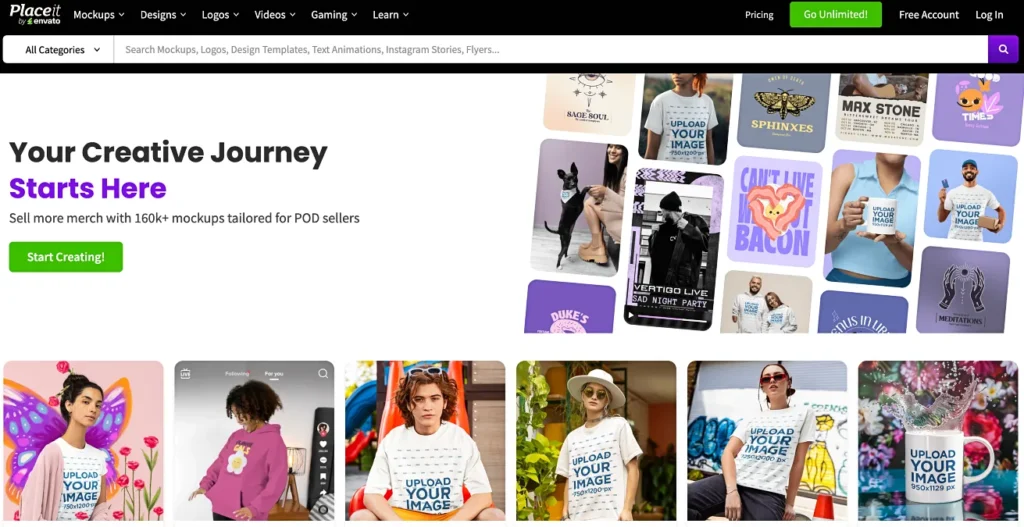
Sarah uses digital interior design mockups like Placeit or Canva. This software places her $8 canvas in a million dollar living room. This instantly elevates its perceived value to the buyer.
She also names her artwork to sound very high end. A piece named Dune sells much better than one named Sand Painting.
Where to Start Selling Wall Art in 2026
Let us evaluate the current ecommerce landscape. You need to put your products where buyers are already looking.
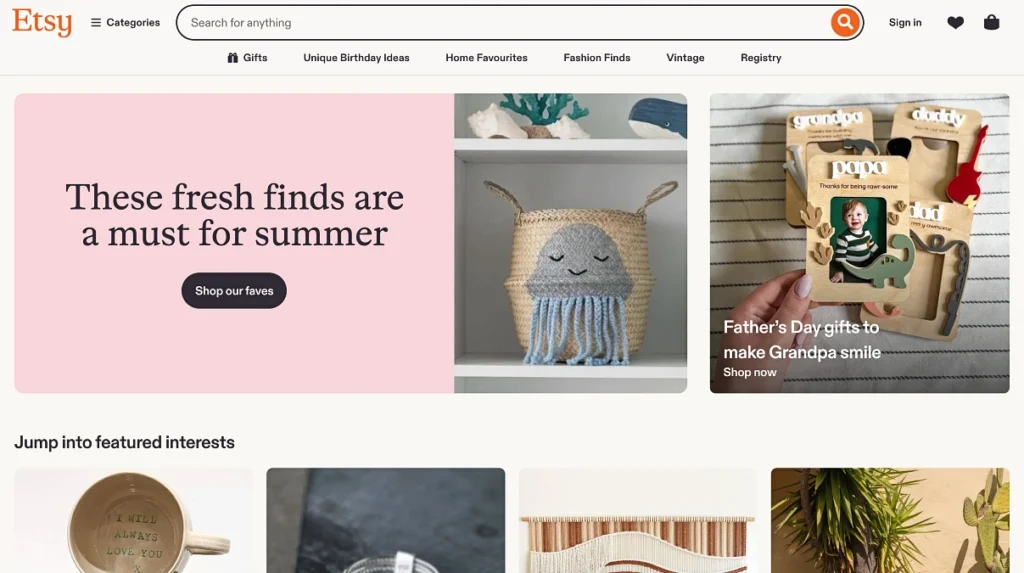
Etsy is the absolute best search engine for buyers with intent. People go there ready to spend money. TikTok and Instagram Reels are best for building viral brand awareness.
Etsy algorithms heavily favor listings with process videos. Buyers love watching the satisfying process of spreading thick layers of paste. These texture videos routinely go viral for their relaxing qualities.
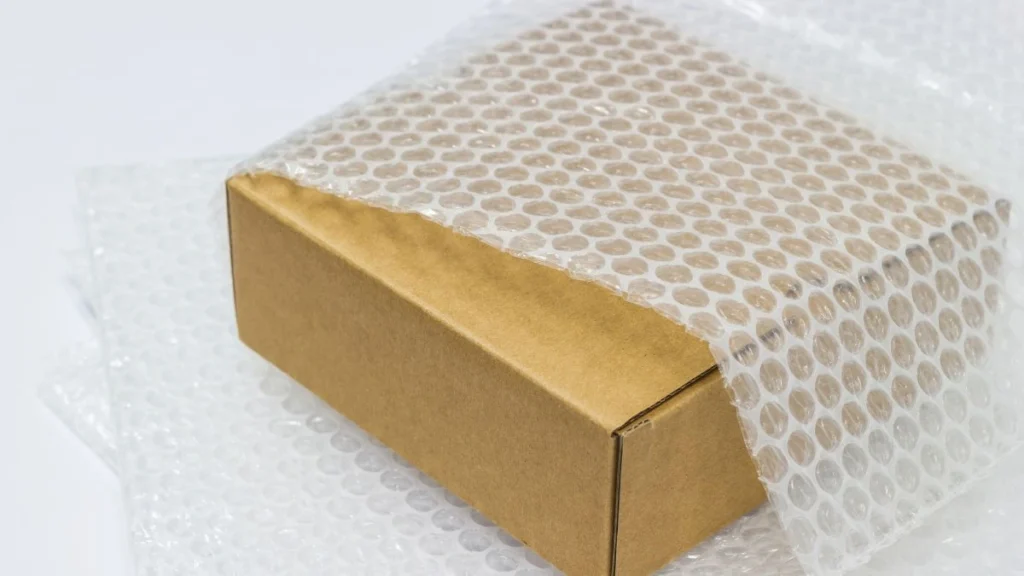
Sarah also offers custom commissions for clients who want specific sizes. Just make sure you securely package the art with bubble wrap before shipping. This is the exact playbook for successfully selling wall art on Etsy.
3 Ways to Make More Canvases in Less Time
You just received three new orders from Etsy. Making one canvas at a time takes way too long. Sarah faced this exact problem when her shop started growing.
She figured out how to speed up her workflow without losing quality. Batching tasks is her biggest secret. She preps and primes five blank canvases all at once.
She also mixes her acrylic paint directly into the wet paste. This skips the final painting step entirely. Finally she uses a basic box fan in her workspace. Moving air cuts the drying time down by hours.
Here is a quick breakdown showing why Sarah strictly uses joint compound instead of other popular art supplies.
| Texture Medium | Average Cost | Average Dry Time | Crack Risk |
| Joint Compound | $7.00 | 24 hours | Low |
| Plaster of Paris | $15.00 | 1 hour | Very High |
| Acrylic Modeling Paste | $30.00 | 12 hours | Low |
How to Pack and Ship Your Art Safely
You just sold a piece for $150. Now you must get it to the buyer in perfect condition. Broken art means refunds and lost money.
Thick texture can chip if a delivery driver drops the box. Sarah protects the fragile corners of her art first. She cuts cheap foam pool noodles to cover the edges of the canvas.
Then she wraps the entire piece in two layers of thick bubble wrap. She slides the wrapped art into a tight cardboard box. The canvas should never shift or move when you shake the box.