
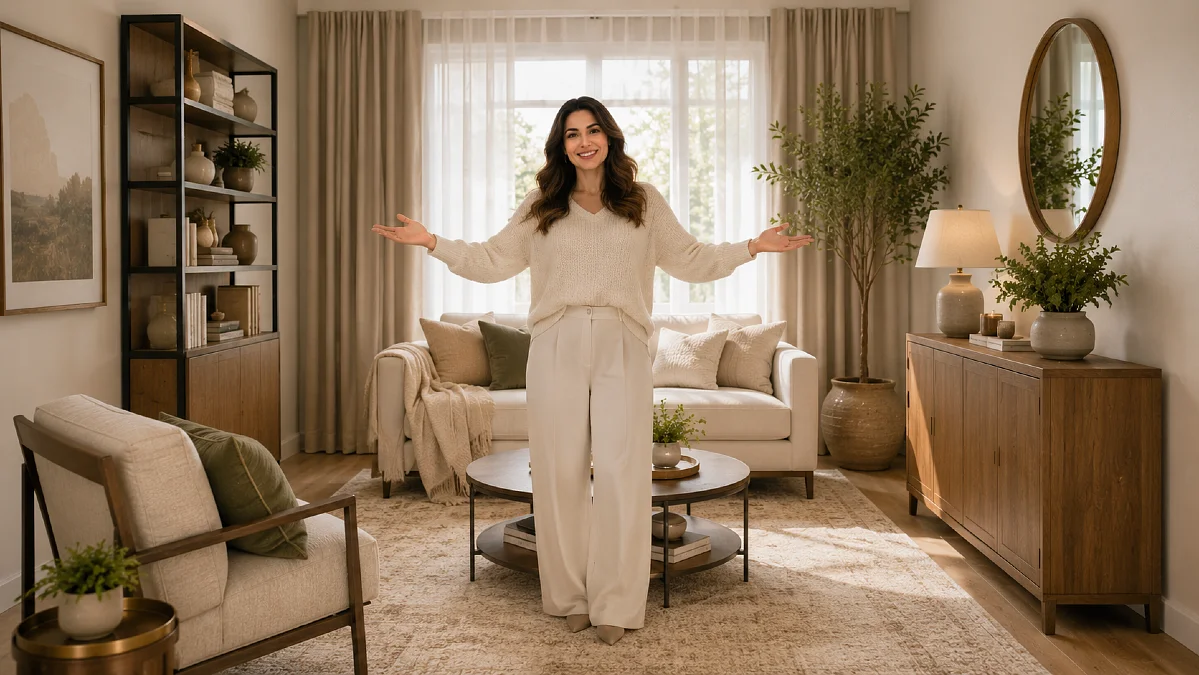
You keep bumping your shins on the coffee table. Your living room feels like a storage unit instead of a place to relax. The dark walls feel like they are closing in on you every single day.
We will show you exactly how to make small rooms look bigger using just the furniture you already own.
You will learn the exact spatial trick interior designers use to double your visual square footage. This zero cost fix takes less than an hour and instantly changes your space.
The Floating Trick That Changes Everything
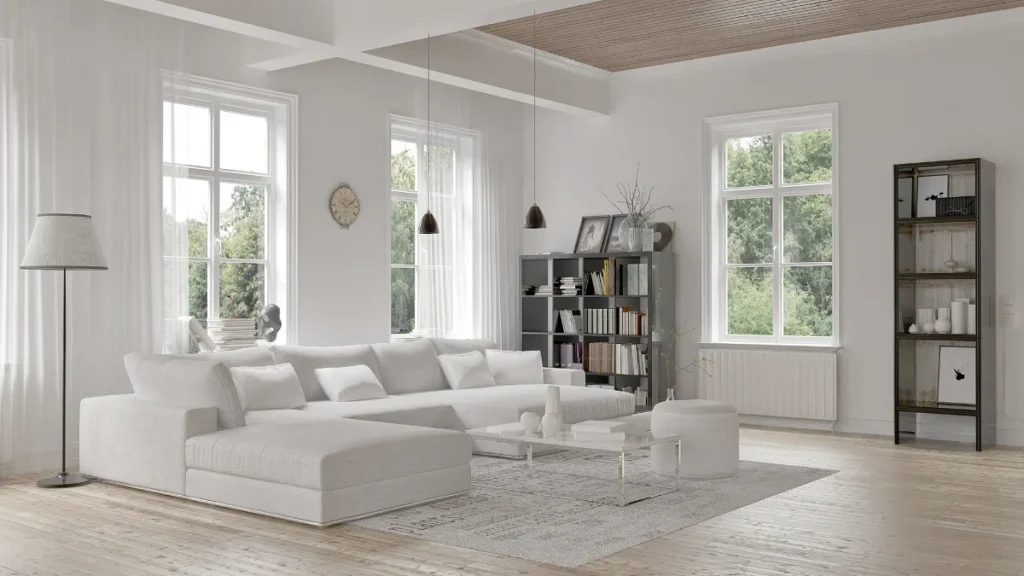
Look closely at your baseboards right now. Pushing everything flush against the wall is a very common design mistake.
A recent Apartment Therapy survey found 78 percent of apartment renters default to pushing all furniture against the walls. People assume clearing the center creates more usable space.
But this actually creates a dead zone in the middle of your floor. It highlights exactly how far away the walls are from each other.
Instead, you need to use the floating technique. Floating simply means pulling your furniture away from the perimeter walls.
You only need three inches of empty space between your seating and the drywall. This tiny gap completely changes how your eye perceives the room.
The space creates a dark shadow line dropping directly behind the furniture. A shadow line is your best friend for tricking the eye.
Your brain sees this shadow and naturally assumes the room continues further back. It creates a powerful optical illusion of depth and volume.
This method works perfectly for a small bedroom furniture layout too. Try pulling your solid wood dresser two inches forward from the bedroom wall tonight.
Leaving space stops the room from feeling like a tight wooden box. Design expert Bobby Berk frequently uses this exact spatial technique in tiny spaces.
He says leaving breathing room between the wall and the furniture creates a necessary illusion of depth. This allows natural light to circulate fully around the edges.
Floating works exceptionally well with heavy fabric sofas and large sectionals. When a bulky sofa touches the wall, it looks permanently stuck in place.
Moving it slightly forward makes the heavy piece feel intentionally placed. It looks lighter and much more sophisticated.
You do not need to buy anything to make this work. Just slide the pieces forward and watch the room expand instantly.
Once you pull the sofa forward, you need to figure out where the rest of the pieces go.
Establish a Clear Focal Point First
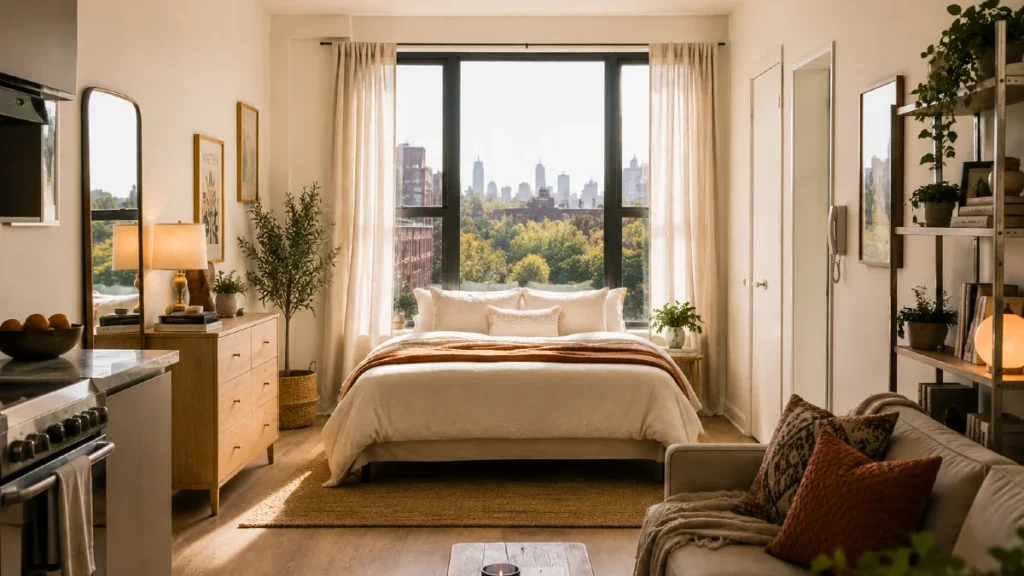
Walking into a room without a focal point makes the eyes dart around frantically. Your brain struggles to understand where to look first.
Every room needs one undeniable star to anchor the overall design. This focal point immediately grabs attention when someone opens the door.
Your natural anchor could be a lovely brick fireplace or a large window. In a cozy sleeping space, your bed is the obvious anchor.
You must arrange your largest piece of furniture to face this primary point. This gives the entire room a clear sense of purpose.
When pieces point in different directions, the space feels chaotic and visually noisy. Remove any competing visual elements from that primary sightline.
If you have a beautiful bay window, do not block it with a tall shelf. The National Association of Home Builders reports modern spaces are getting tighter.
They note the average new apartment living room is shrinking to just over 250 square feet. You simply do not have the luxury of building multiple seating zones.
When you rearrange small living room layouts, you must commit to one primary view. A single view stops the layout from feeling incredibly fragmented.
Apartment Therapy founder Maxwell Ryan strongly believes in intentional space planning. He says you must edit a room down to its essential pieces.
This editing process lets the room breathe and establishes visual order. Once you find your anchor, you can align everything else to support it.
Anchor the room first, and the rest of the layout falls perfectly into place.
Realign Your Daily Traffic Lanes
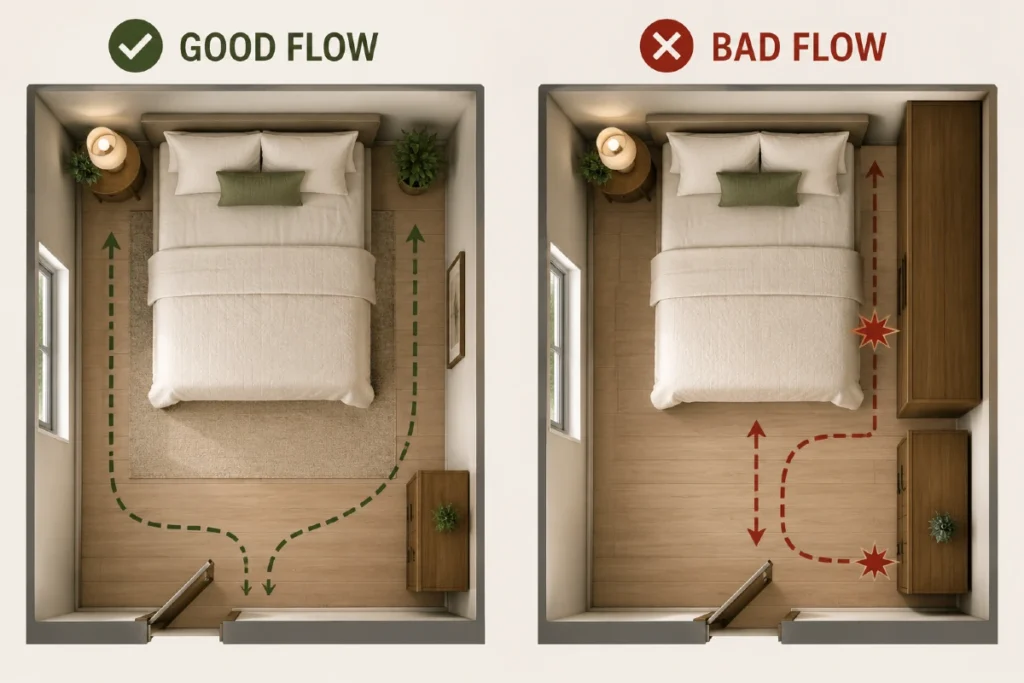
Physically walk from your bedroom door directly to your bed right now. Did you bump your knee or have to turn sideways?
You must map out how you actually walk through your space every single day. Clear a continuous path from the doorway to the primary seating area.
Remove any small side tables or stray ottomans that block this natural flow. Proper flow stops a tiny room from feeling like an annoying obstacle course.
Ergonomic design studies suggest humans need a minimum clearance of 30 inches. This allows you to walk comfortably through a space without turning your shoulders.
If your hips touch the back of a chair while walking, the layout is failing. This is the absolute secret to a successful zero cost room makeover.
Fix the underlying geometry first before you worry about adding new decor items.
| Furniture Spacing Zone | Recommended Distance |
| Coffee table to front of sofa | 14 to 18 inches |
| Television screen to main seating | 1.5 times the screen size |
| Bed frame to the nearest wall | 36 inches |
| Dining chair pushed back from table | 24 inches |
| Open walking path in main traffic lane | 30 to 36 inches |
A tight room creates physical stress every time you try to navigate it. You should never have to squeeze past a heavy wooden credenza.
Pushing blocking items to the perimeter keeps the center lanes completely clear. Good flow requires the right balance of furniture shapes and negative space.
Your room should feel like a stream of water, easily flowing around the furniture.
Swap Visual Weight Between Zones
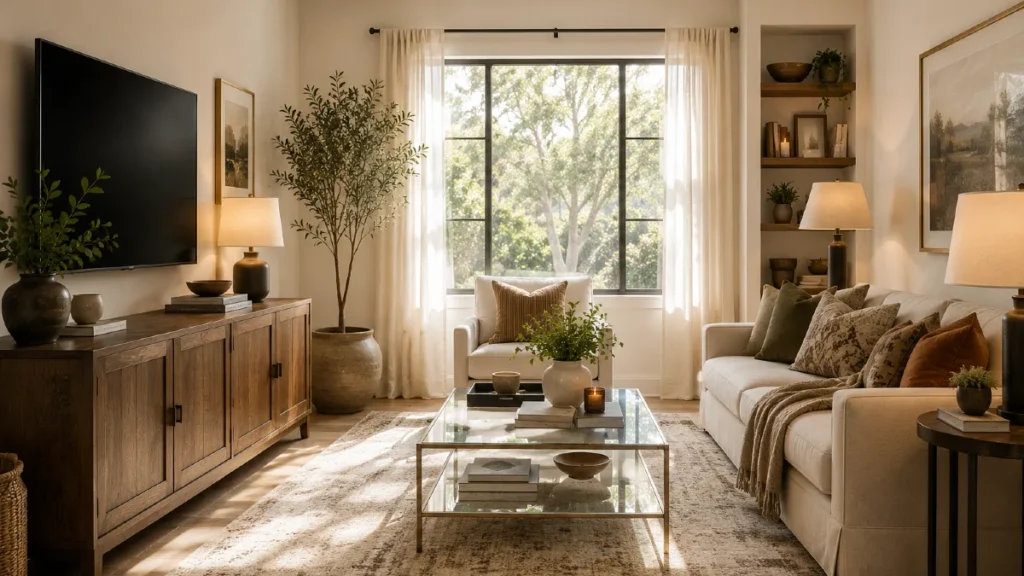
Visual weight has absolutely nothing to do with pounds or kilograms on a scale. It refers entirely to how heavy an object looks to the human eye.
A solid wood block dresser looks incredibly heavy and visually dominant. A delicate glass coffee table looks very light and almost invisible.
You must carefully balance heavy items with light items in the same space. Do not place a bulky armchair directly next to a solid bookcase.
Instead, move leggy furniture next to solid pieces to let the light pass through. Interior design standards from the NKBA emphasize balancing visual weight properly.
They note that visual balance actively lowers resting heart rates in residential spaces. A balanced room feels deeply calming and intentionally designed.
Spread your heavy visual anchors evenly around the four corners of the room. This stops the space from feeling like it is physically tilting to one side.
A great example of visually light furniture is the West Elm Mid Century Sofa. Even though it costs $1,499, its tall wooden legs keep the floor completely visible.
Seeing the floor stretching underneath the sofa strongly tricks the brain. It makes the floor plan feel significantly wider than it actually is.
Moving a large textile like the IKEA Stockholm rug for $299 adds great texture. This rug helps ground a visually light seating arrangement perfectly.
| Decor Element | Heavy Visual Weight | Light Visual Weight |
| Main Sofa Style | Solid base touching the floor | Exposed tall wooden legs |
| Living Room Table | Solid dark wood trunk | Thin glass top with metal frame |
| Window Treatments | Dark opaque velvet drapes | Sheer white linen curtains |
| Shelving Units | Thick enclosed bookcase | Open metal frame ladder shelf |
| Large Area Rugs | Dark geometric patterns | Solid light neutral colors |
With the weight balanced, you can play with geometry to create even more space. Keep the heavy pieces grounded and let the leggy pieces breathe.
Angle Furniture for Deeper Sightlines
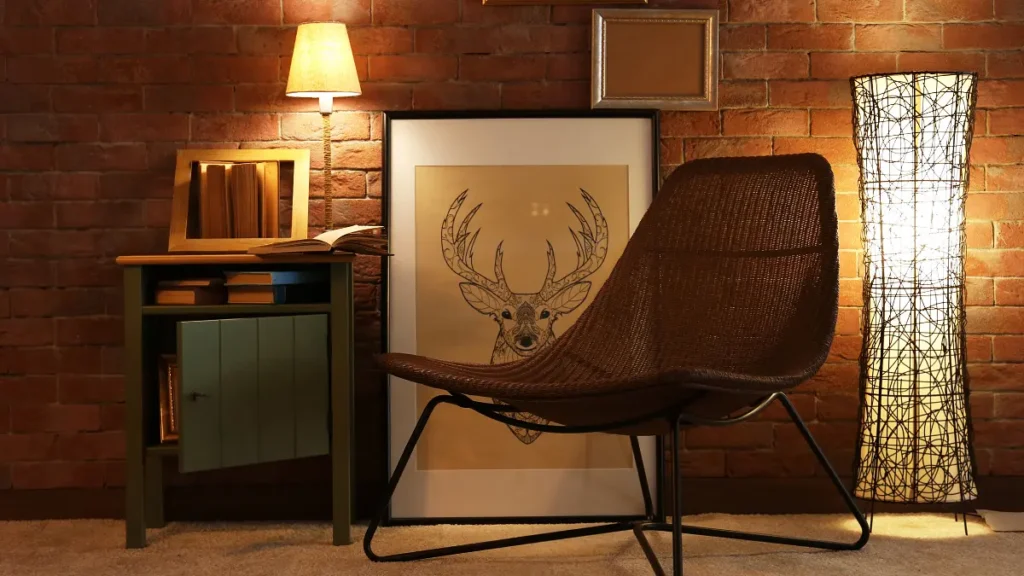
Right angles are completely boring and restrictive in a tiny square room. You need to break out of the standard box formation.
Try placing a cozy reading chair or a small desk on a diagonal in the corner. Angled furniture forces the human eye to look across the longest distance possible.
This diagonal line pulls your gaze deep into the corners of the space. It makes the square footage feel expansive rather than tightly boxed in.
Houzz design trends show a massive 45 percent increase in diagonal furniture arrangements recently. Renters in urban studio apartments use this specific trick to add serious depth.
One excellent piece for a diagonal corner is the Article Sven Chair priced at $699. Angling it slightly softens the harsh ninety degree corners of an empty box.
This is a brilliant way to rearrange small living room layouts using existing items. You do not need to hire an expensive architect to change the feeling of depth.
A cramped reading nook completely transforms with a simple forty five degree pivot. The chair stops blocking the wall and suddenly looks incredibly inviting.
Finally, you must ruthlessly eliminate what does not work in your new layout. An angled chair instantly makes a tight corner feel like a cozy destination.
Edit Out the “Tripping Hazard” Pieces
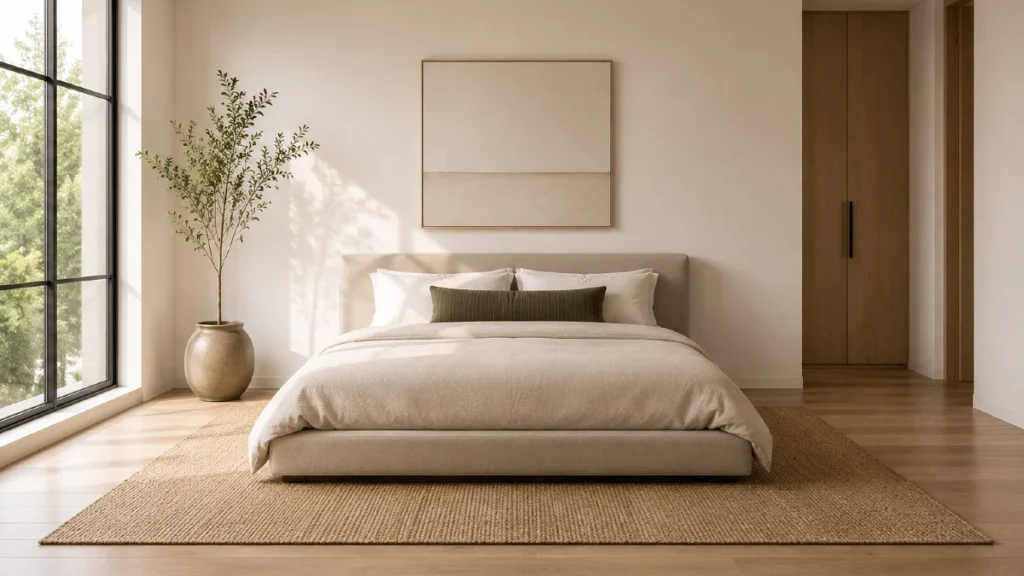
Grab a laundry basket and remove three small items from the room right now. Take absolutely everything out of the center of the room.
Assess what you actually use and bring back only the daily essentials. Leave the extra footstool or the oversized floor lamp inside the hall closet.
A recent Furniture Today survey revealed a very common and expensive layout mistake. They found 62 percent of renters buy furniture completely too large for their space.
You cannot force a massive sectional into a tiny studio without ruining the flow. Negative space is your absolute best tool for expanding a room visually.
Empty floor space gives the eyes a quiet place to rest and recover. A Princeton University study proves physical clutter actively competes for your daily attention.
This mental competition greatly increases visual stress and anxiety in small enclosed areas. Removing small tripping hazards instantly lowers your stress and clears the floor.
You do not need six decorative side tables crowding your main sofa. One good table serves the exact same purpose without eating your valuable floor space.
Google search trends show searches for studio apartment layouts spike 60 percent every August. People desperately want to figure out how to live in small areas.
Now step back and look at your entirely new and spacious floor plan. Less furniture always equals much more visual space.
You just learned how floating your furniture, clearing your traffic lanes, and angling your chairs can completely transform your floor plan. These layout adjustments immediately change how a room feels.
You fixed the visual weight and established a beautiful central focal point. You also cleared away the annoying clutter causing you daily visual stress.
These steps prove you do not need thousands of dollars to completely change your home.
Pick one single room tonight and get to work right away. Pull your sofa three inches from the wall and tell us if the room feels bigger.