

Claire needed a change after walking into a home store for one item and leaving with bags of throw pillows. Her bank account was draining from constant shopping.
She decided to try a strict no buy decor challenge to stop the endless spending cycle. Pausing all aesthetic purchases for thirty days forces real creativity and saves serious cash.
This guide explains the exact rules she used to refresh her small apartment, break bad shopping habits, and give her living space a completely free room makeover this year.
The Plan Decor: No-Buy Challenge
Can you survive 30 days without aesthetic spending?
A targeted ad shows a beautiful $150 woven seasonal rug.
Rules Of The No Buy Decor Challenge

Setting strict rules is the only way to break a chronic shopping habit. Claire realized she needed a clear framework to stop her endless spending. The no buy decor challenge is a completely free commitment to pause all aesthetic household purchases.
During this period, she stopped buying new accessories, furniture, paint, and textiles. The rules were simple but incredibly rigid. She could not purchase a single new item just because it looked pretty.
There was one necessary exception to this strict rule. Claire allowed herself to replace broken essential items. If her coffee maker broke, she could replace it immediately.
If a decorative vase shattered, she simply lived without it. Thirty days is the perfect reset period for this experiment. It is long enough to break the dopamine cycle of recreational shopping.
But it is short enough to feel manageable for a beginner. Her ultimate goal was to stop relying on stores for instant gratification. The average American household spends over $3,000 annually on home furnishings, according to Statista consumer reports.
Claire wanted to keep that money in her own pocket. She approached this as the ultimate exercise in budget home decorating. She wanted to prove she could love her space without swiping her credit card.
She noticed how often she wandered into stores just out of boredom. This challenge forced her to confront those impulses head on. She had to learn how to be content with the items she already owned.
By committing to a full month, Claire gave her brain time to adapt. The first week was the hardest part of the entire process. After two weeks, the intense urge to buy seasonal items finally faded away.
The Hidden Cost Of Impulse Decor Shopping
A weekend trip for laundry detergent often turned into an expensive styling session. Claire would spot a clearance aisle and grab a $15 candle without thinking. Then she would add a $20 throw pillow because the color caught her eye.
These tiny purchases felt completely harmless in the moment. But the math told a much more damaging financial story. Spending just $35 a week on random accessories equals $140 a month.
Over a year, that minor habit steals over $1,600 from a savings account. Claire realized she was rarely buying things she actually needed. She was shopping for a fantasy version of her life.
She bought expensive coffee table books for a sophisticated reading habit she did not possess. This emotional trigger is incredibly common among design lovers. Over sixty percent of shoppers admit to impulse buying home goods, according to a recent Houzz consumer survey.
We see a styled room online and try to purchase that exact feeling. The solution to this expensive habit started with the device in her hand. She decided a free room makeover was entirely possible.
But she had to eliminate the constant visual temptations first. The endless scroll of perfect rooms was fueling her dissatisfaction.
Curing the Design Scroll
Breaking the cycle of aspirational home goods shopping.
The Aspirational Buy
Purchasing expensive coffee table books for a sophisticated reading habit you don’t actually possess.
Purchasing a Feeling
Over 60% of shoppers admit to impulse buying home goods simply to replicate the mood of a styled room.
The Digital Root
Realizing that the solution to this expensive habit starts directly with the device in your hand.
Eliminate Temptation
Stop fueling dissatisfaction by cutting off the endless scroll of perfect rooms and visual triggers.
Annual Impulse Purchase Cost
| Item Category | Average Cost | Monthly Spend | Yearly Total |
| Scented candles | $25 | $50 | $600 |
| Throw pillows | $35 | $70 | $840 |
| Small ceramics | $20 | $40 | $480 |
| Seasonal wreaths | $45 | $45 | $540 |
| Coffee table books | $40 | $40 | $480 |
Seeing these numbers in bold print shocked Claire into action. She realized those small weekly treats were costing her thousands.
First Step: Unsubscribe, Unfollow, And Pause

Claire knew she had to pick up her phone and make immediate changes. Willpower alone is never enough to fight billion dollar marketing budgets. She had to cut off the constant stream of sales alerts entirely.
Her first task was a massive digital declutter of her inbox. She unsubscribed from every single retailer email list she had joined. Waking up to daily alerts about seasonal clearance events was a guaranteed trap.
Next, Claire opened her social media accounts to clean house. She temporarily muted home decor influencers who constantly triggered her urge to buy. She still admired their work, but their daily product links were too tempting.
She found herself struggling the most with targeted social media advertisements. The algorithm knew exactly what aesthetic she preferred and served it constantly. To combat this, she actively hid ads for trendy furniture and rugs.
Her final step was deleting every shopping app from her phone. If she wanted to browse, she had to use a clunky mobile web browser. Adding that tiny bit of friction stopped countless late night impulse purchases.
Once the digital noise stopped, Claire could finally look at her home clearly. She started seeing her actual belongings instead of what she lacked. This mental clarity is the foundation of successful budget home decorating.
Second Method: The Art Of Shopping Your Home

The phrase shop your home simply means treating existing inventory like a retail store. Claire gathered items from closets and unused corners to restyle her primary spaces.
She started by moving objects between completely different rooms to change their context. A ceramic bowl holding keys in the entryway became a fruit bowl in the kitchen. Moving items to new lighting completely altered how they looked.
Next, Claire decided to swap the artwork hanging on her walls. She took a large canvas from her bedroom and moved it to the living room. This massive visual change took ten minutes and cost absolutely nothing.
Bookshelves are another perfect testing ground for a completely free room makeover. Claire emptied every single book and object onto her living room floor. She then restyled the shelves using a more minimalist approach.
She grouped books by color and added a few vintage cameras she found boxed up. The entire room felt completely different just from reorganizing one single corner. She realized that careful placement matters much more than purchasing new items.
Simply moving a reading lamp from the office to the bedroom saved her $50 instantly. She realized she already owned everything she needed to create a beautiful home.
Decor Substitution Reference
| What She Wanted To Buy | What She Used Instead |
| New brass bookends | Two heavy vintage cameras |
| Aesthetic plant stand | A sturdy wooden step stool |
| Woven storage basket | An unused canvas tote bag |
| Expensive pedestal bowl | A dinner plate glued to a thrifted cup |
| New textured artwork | Framed leftover floral wallpaper |
This simple substitution method proved incredibly effective. She stopped seeing limitations and started seeing endless design possibilities in her own closets.
Third Tactic: Repurposing And Upcycling What You Own
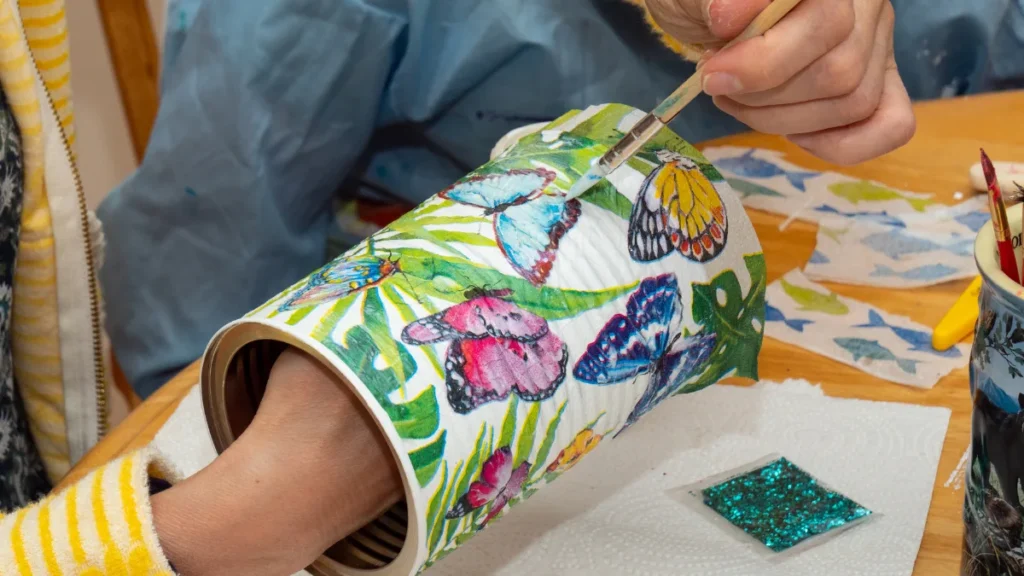
Getting her hands dirty was the best way to fight the urge to shop. When Claire desperately wanted something new, she decided to make something new instead. She pulled out a box of leftover craft supplies to start experimenting.
Her first project was updating an outdated glass vase sitting in the cabinet. She mixed ordinary tan acrylic paint with a few spoonfuls of baking soda. Brushing this mixture onto the glass created a beautiful ceramic texture.
She also tackled her faded living room throw pillows instead of discarding them. She used a simple box of fabric dye to refresh the cotton covers. This revived her sofa styling for the mere cost of hot water and salt.
This approach was vital for her wallet and the environment. The Environmental Protection Agency reports that over twelve million tons of furnishings enter landfills annually. Claire felt proud to keep her items out of the local trash cycle.
During her research, she read a book by organizing expert Shira Gill. Gill writes that the true secret to a peaceful home is simply living with less. Claire realized her space felt chaotic because she owned too much cheap decor.
She successfully bypassed the clearance aisles and seasonal sales completely. She learned that true creativity often thrives under strict financial constraints. Her upcycling efforts were finally yielding stunning results.
Sustainable Upcycling
Curating a peaceful home while protecting the planet.
Environmental Toll
Over twelve million tons of furnishings enter landfills annually. Mindful choices keep items out of the trash cycle.
The Minimalist Secret
As organizing experts note, the true secret to a peaceful home is simply living with less.
Curing the Chaos
Spaces feel chaotic when filled with too much cheap decor. Bypass clearance aisles entirely.
Creative Constraints
Embracing strict financial constraints forces true creativity, yielding stunning upcycling results.
Tracking Results After Thirty Days (The $900 Reveal)
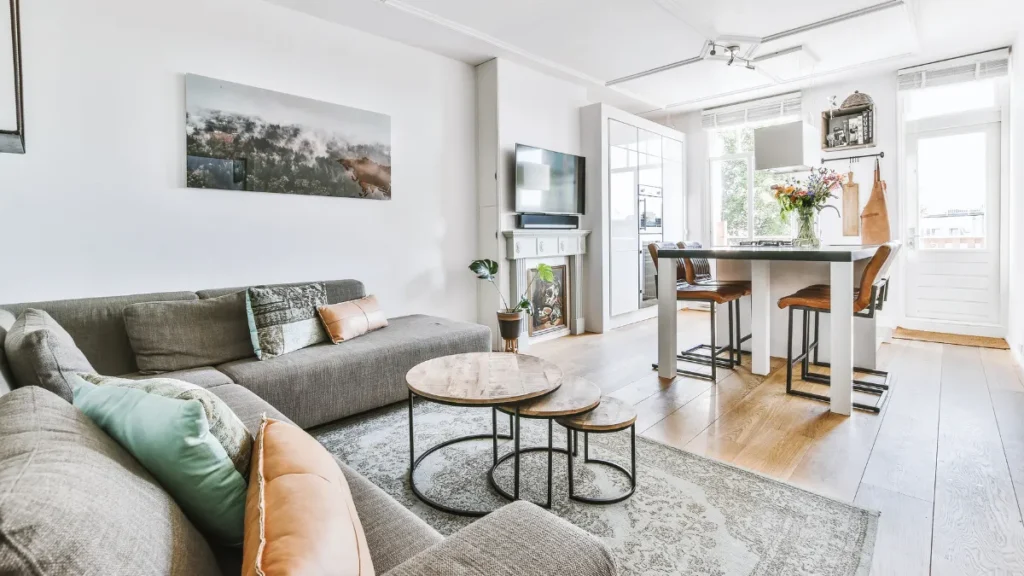
Claire finished the month with exactly $900 safely sitting in her checking account. This was money she would have mindlessly spent on trendy items she did not need. Tracking every skipped purchase revealed just how severe her shopping habit had become.
She kept a running list of every specific item she wanted to buy but skipped. This document proved that the sudden urge to shop always passes if given time. The list included several items from her favorite weekend retail spots.
Here are the specific items she almost purchased during the thirty days:
Interior Decor Haul
Curated Finds & Statement Pieces
Textured Base
Anchoring the room with a $150 seasonal woven rug straight from Target.
Warm Ambient Lighting
Scored three ceramic table lamps hidden in the HomeGoods clearance section.
Room Expanding Illusion
Elevated the space with a $250 oversized floor mirror snatched up during a West Elm sale.
Evergreen Botanicals
Adding vertical interest and life with two faux olive trees priced reasonably at $90 each.
Styled Surfaces
Finished the styling with a curated stack of aesthetic coffee table books totaling $120.
Refusing to buy these items created a massive mental shift. Claire transformed from a passive consumer into an intentional curator of her own home. She stopped looking at store displays to tell her what her apartment should look like.
Her living room felt lighter, cleaner, and far more peaceful than before. She proved that completing a strict no buy decor challenge was entirely possible. She left the month feeling incredibly capable and excited about her financial future.
Claire learned three vital lessons during her successful month of zero spending. First, pausing digital inputs and muting advertisements stops the urge to shop instantly. Second, shopping her own house provided endless free design opportunities.
Finally, tracking her saved cash kept her highly motivated to finish the month. Claire recommends this exact process to anyone feeling overwhelmed by their living space. People wanting similar results should grab a calendar and mark tomorrow as day one.
Commit to a full month of no aesthetic purchases starting tomorrow morning. Pausing the endless shopping cycle brings real peace to a cluttered home. Mastering the no buy decor challenge is the fastest way to save money.