

You keep seeing pretty thrift finds and wonder if a decor business model could work for you. The hard part is knowing what is worth buying and what will sit in a closet for months.
Full interior design feels too big. Furniture flipping feels too heavy. This guide shows a simpler path. You will learn what small decor to sell, where to source it, how to price it, how to photograph it, and how to grow into bundles or room refresh offers.
Why This Decor Business Model Works for Beginners

The best part is simple. You do not need a shop, a warehouse, or a design degree to start.
This decor business model works because it starts small. You are not tearing out walls. You are not buying huge sectionals. You are finding useful decor pieces and making them easier for buyers to picture at home.
That means your skill is not formal design. Your skill is curation. You learn what looks good together, what photographs well, and what buyers want for a room.
A beginner decor business can start with pieces you can carry in one hand. Think table lamps, small mirrors, framed art, trays, ceramic vases, baskets, books, and candleholders.
These pieces do not need a garage full of space. Many can sit on a shelf, in a closet, or inside clear storage bins while they wait to sell.
The market is also moving in the right direction. Future Market Insights says the secondhand homeware market may grow from $31.5 billion in 2025 to $53.9 billion by 2035.
GMI Insights gives a similar view. It estimated the secondhand homeware market at $29.9 billion in 2024 and projected it could reach $50.9 billion by 2034.
That does not mean every thrifted vase will sell. It means buyers are already open to secondhand decor when the piece feels stylish, clean, and fairly priced.
People want rooms that feel pulled together. Many do not want to spend their weekend searching through dusty bins and random listings.
That is where your home decor resale business can help. You remove the hard part. You find the piece, clean it, style it, photograph it, and explain where it fits.
This is not full interior design. You are not selling floor plans or renovation advice. You are selling decor sourcing and styling in a simple, beginner friendly way.
Once you understand why the model works, the next step is knowing what to buy first.
The Best Decor Items to Start Selling First
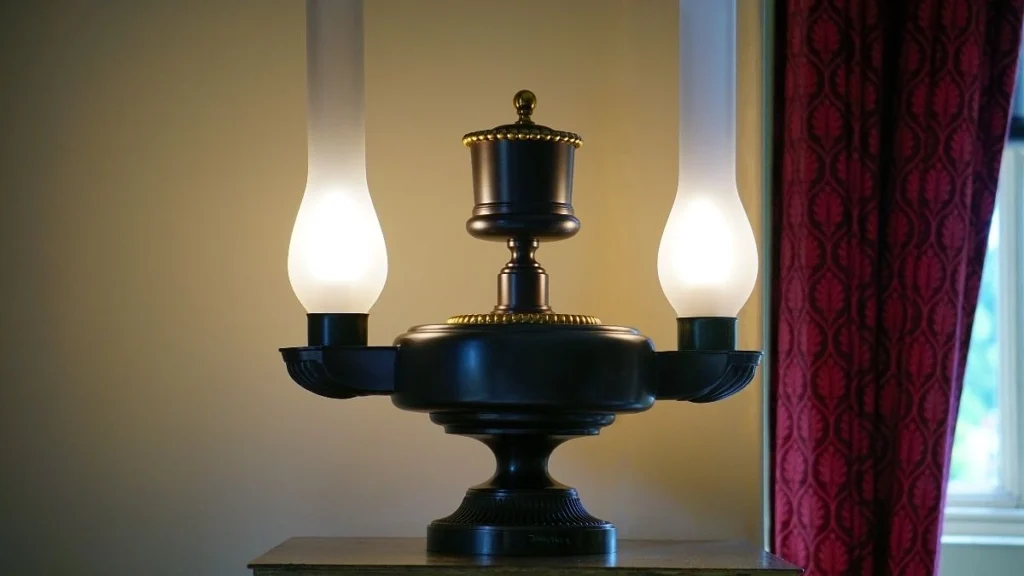
A thrift store aisle can trick you fast. Everything looks cheap, but not everything is worth buying.
Start with small decor that has strong visual impact. It should make a shelf, table, wall, or corner look better right away.
The best starter pieces are easy to clean, easy to photograph, and easy to explain in a listing. They should also fit common styles buyers already search for.
Look for these first:
The Styling Sourcing Kit
5 Essential Criteria Categories for Prop Curation
Illumination Elements
Source architectural table lamps with clean shades and verified, fully working cords to safely inject essential low-level ambient warmth.
Reflective Surfaces
Select striking small mirrors with wood, brass, black, or vintage frames to bounce natural light and maximize sightlines across cramped layout nodes.
Graphic Staging Art
Incorporate premium framed wall art featuring curated neutral, landscape, floral, or abstract styles to ground blank wall segments without clashing.
Sculptural Clayware
Gather artisan ceramic vases, bowls, and vessels featuring good shape profiles and interesting, organic silhouette transitions.
Tactile Layering Accents
Utilize textural baskets, trays, books, and candleholders explicitly for layered surface styling to add crucial structural variance and depth.
Better Homes & Gardens has reported that designers still recommend thrifted baskets, linens, ceramics, vintage frames, mirrors, metal accents, glassware, and books. These pieces add texture and character without a high cost.
A Mercari backed survey reported by the New York Post found that 66 percent of Americans regularly shop secondhand. It also found that 45 percent thrift home decor.
That is good news for a decor flipping business. Buyers already understand secondhand shopping. They just want the right pieces shown in a clean way.
Use the style plus function test before you buy. The item should make a room look better and serve a clear purpose.
A brass tray can hold candles, books, or perfume bottles. A basket can hide blankets or toys. A lamp gives both light and style.
Avoid items that create trouble for beginners. Damaged upholstery can smell or hide stains. Oversized furniture needs space and pickup help.
Skip fragile glass sets unless the profit is strong. Avoid fake luxury labels, broken wiring, deep scratches, heavy smoke odor, and anything you would feel nervous showing up close.
Real product examples help you set your eye. Vintage brass candleholders often cost $4–$15 each at thrift stores.
IKEA RIBBA style frames can cost under $20 new, so secondhand frames need to look clean and useful. Target Threshold or Studio McGee style lamps often sell new for $35–$90, which helps you price thrifted lamps with care.
Good items matter, but the buying rule matters even more.
Beginner Decor Items by Risk and Profit Potential
| Decor item | Typical beginner buy price | Easy resale price range | Storage risk | Shipping difficulty | Best platform |
|---|---|---|---|---|---|
| Table lamps | $10–$25 | $45–$95 | Medium | Medium | Facebook Marketplace |
| Small mirrors | $8–$20 | $35–$75 | Low | Medium | Facebook Marketplace |
| Framed wall art | $5–$18 | $25–$65 | Low | Medium | Etsy or Marketplace |
| Brass candleholders | $4–$15 | $20–$45 | Low | Easy | Etsy or eBay |
| Ceramic vases | $3–$12 | $18–$40 | Low | Medium | Etsy or Instagram |
| Baskets and trays | $4–$15 | $18–$45 | Low | Easy | Marketplace or Instagram |
The safest starter pieces are small, clean, and easy to style. If you can explain where it belongs in a room, it has a better chance to sell.
How to Source Decor Without Wasting Money
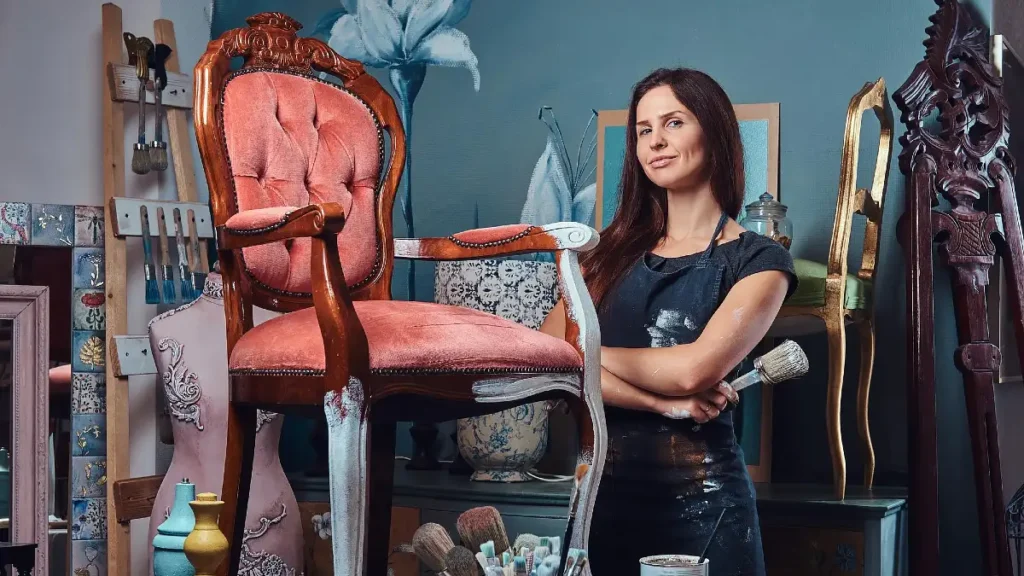
Cheap decor can still waste your money. The danger comes when every low price feels like a deal.
Use one simple rule. Buy only items you can clean, style, photograph, and list the same week.
That rule protects your space and your budget. It also stops you from building a pile of random finds that never turn into listings.
Start with places where decor moves fast. Thrift stores are easy for practice. Estate sales often have better vintage lamps, frames, mirrors, books, and ceramics.
Yard sales can be great for low prices. Local auctions may work once you know what sells. Facebook Marketplace decor listings can also help you find underpriced pieces nearby.
Moving sales are worth checking because sellers often want decor gone fast. You may find lamps, trays, baskets, art, and rugs in one stop.
Better Homes & Gardens quoted OfferUp expert Ken Murphy on resale basics. He advises sellers to research similar listings, check condition, and price with room for negotiation.
That advice matters before you buy, not after. Search active listings first. Look at what similar decor pieces cost in your area.
Use Facebook Marketplace, Etsy, eBay sold results, and Chairish for higher end vintage pieces. You do not need exact matches. You need a realistic range.
Your profit spread is the space between what you pay and what you can sell for. A safe beginner goal is 2 to 3 times your purchase price.
If a mirror costs $15, ask if it can sell for $45–$75. If the answer is no, leave it.
Good Housekeeping reported that designers recommend precise Facebook Marketplace search terms, seller profile checks, asking for markings, and alerts for specific vintage pieces.
Use search terms like vintage brass lamp, framed landscape art, ceramic vessel, scalloped mirror, wood tray, and woven basket.
Keep your first buy limit small. Try 5 to 10 pieces per week until you know what sells in your area.
A simple thrift decor business grows faster with discipline than with a cart full of random stuff.
Leave the store if you cannot name the buyer, the style, and the resale price.
The Simple Pricing Formula for Decor Flips

Profit disappears when you forget the hidden costs. Cleaning time, platform fees, packing supplies, gas, and negotiation all matter.
Use this beginner formula:
Purchase price plus cleaning cost plus platform fees plus time plus profit margin equals your listing price.
Keep it simple at first. If you buy a pair of brass candleholders for $6, do not list them for $10.
You still need to clean them, photograph them, write the listing, answer messages, and meet or ship the order.
A better range may be $22–$28 if the style is strong and the photos look good.
A small mirror bought for $15 may list for $45–$75 if the frame looks current and the glass is clean.
A thrifted lamp bought for $20 may list for $60–$95 if it works, has a clean shade, and looks close to current retail styles.
Chairish’s 2021 resale report said resale home furnishings were projected to grow 54 percent over five years. It also said 66 percent of US homes had resale home goods or furniture inside.
That supports the larger trend, but your decor resale pricing still needs local sense. A cute lamp in one city may sell fast at $75. In another area, $45 may be more realistic.
Local pricing and shipped pricing are different. Heavy mirrors, small rugs, and table lamps often work best as local pickup items.
Small brass pieces, pillow covers, art prints, books, and some trays can ship. But shipping adds boxes, filler, labels, and breakage risk.
Bundling can raise perceived value. A neutral coffee table decor set feels easier to buy than 3 random small items.
Try an entryway styling set with a small mirror, tray, vase, and basket. Try a shelf styling bundle with books, candleholders, and one ceramic piece.
Price slightly above your lowest number because many buyers negotiate. If you need $40, listing at $48 gives you room.
Never buy decor unless the resale math works before checkout. A fair price gets attention, but photos make buyers stop scrolling.
How to Style and Photograph Decor So It Sells Faster
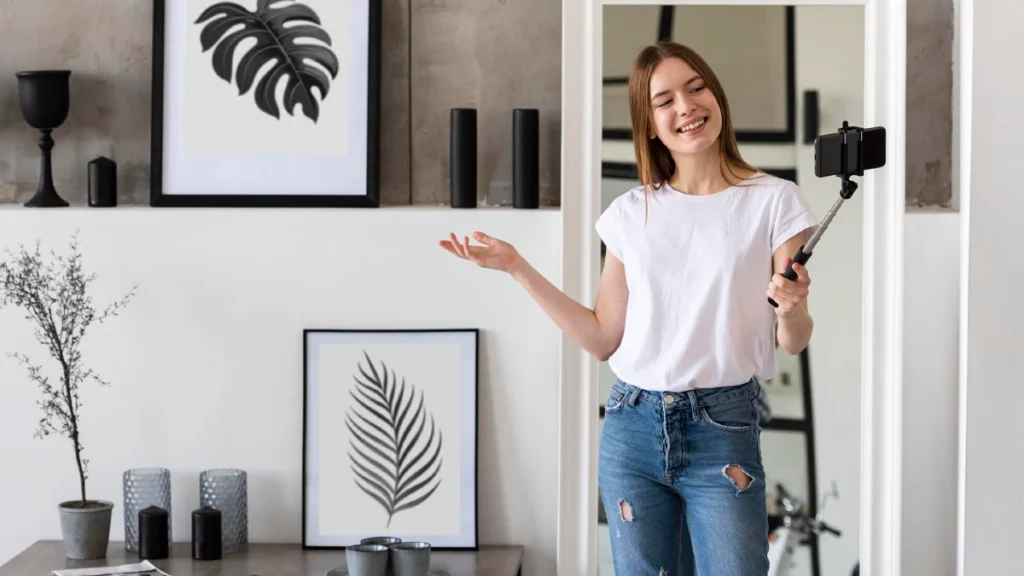
One dark floor photo says “used item.” One clean styled shelf photo says “this could look good in my home.”
That is the power of home decor photography. You are selling the style, not just the object.
Strong photos help buyers understand scale, color, condition, and mood. They also make your styled decor listings feel more trustworthy.
Better Homes & Gardens has reported that strong photos, detailed descriptions, staging, and small fixes can improve buyer interest and perceived value.
Houzz says users can browse more than 25 million home interior and exterior photos in its app. That shows how visual the home space has become.
You do not need a studio. You need 3 repeatable photo zones at home.
Use a bright wall for mirrors and art. Use a shelf or console table for vases, books, and candleholders. Use a floor area near a window for rugs, baskets, and lamps.
Take these 5 photos for most pieces:
- One styled photo in a room setup
- One clean front photo
- One close detail photo
- One scale photo beside a common item
- One honest flaw photo if needed
Do not hide flaws. Buyers trust you more when you show a chip, scratch, worn edge, or shade mark clearly.
Your photos should answer questions before the buyer asks. How big is it? Is the color warm or cool? Does it have damage? Where could it go?
For a lamp, show it turned on and off. For a mirror, show the frame and glass. For art, show the back, frame edge, and wall scale.
A simple bedside table look works well for lamps, books, and trays. A shelf vignette works for vases, candleholders, and art.
An entry table look works for mirrors, baskets, and bowls. A wall art stack works for frames and prints.
Once your photos look trustworthy, the platform choice becomes much easier.
Where to Sell Home Decor When You Are New

The best platform depends on size, style, price, and shipping risk. Do not post every item everywhere on day one.
Start with one local platform and one shippable platform. That keeps your workflow simple while you learn what buyers want.
Facebook Marketplace works well for local decor, small furniture, lamps, mirrors, rugs, and bundles. Buyers can see your location and pick up items fast.
Etsy works better for vintage or handmade decor that can ship. Brass candleholders, art, textiles, small ceramics, and printable wall art fit well there.
Chairish suits higher end vintage decor, designer pieces, original art, and special finds. Use it after you understand quality markers and better pricing.
eBay can work for shippable collectibles, decor books, vintage frames, and small accent pieces with search demand.
Instagram works when your items have a clear look. It is useful for styled bundles, seasonal boxes, and repeat buyers.
Etsy’s official Seller Handbook says its trend reports use search and sales data to guide themes across decor, style, and gifting.
Etsy’s 2024 annual report said its marketplaces connected 8.1 million active sellers with 95.5 million active buyers as of December 31, 2024.
That does not mean Etsy is easy. It means buyers already go there for unique items.
Your niche matters because people remember a look. Vintage coastal feels different from modern organic. Cottage style feels different from maximalist color.
A clear vintage decor shop is easier to follow than a page full of random lamps, mugs, pillows, and frames with no connection.
Use this weekly system:
- Source 5 to 10 pieces
- Clean and check condition
- Photograph in your 3 zones
- List with clear measurements
- Reply fast and relist slow movers
Master one local platform and one shippable platform before adding more. After the first sales, the goal is to stop looking random and start looking like a brand.
How to Grow From Decor Flips Into a Real Decor Brand

At first, you sell random finds. Later, you become known for a look.
That shift turns a small home decor side hustle into a stronger home decor brand. Buyers start to trust your eye.
A decor styling business can grow from simple resale into styled bundles. These bundles save buyers time and make your offer feel more useful.
Try a shelf styling kit with books, a vase, and candleholders. Try an entryway refresh set with a mirror, tray, basket, and small lamp.
Seasonal decor boxes can work too. Think fall table accents, holiday mantel pieces, spring shelf decor, or neutral apartment starter sets.
Small space styling kits can help renters and apartment dwellers. Nursery wall art sets can work when they feel calm, safe, and easy to hang.
Pinterest can support your sourcing eye. Pinterest Predicts 2026 pointed to circus inspired home decor, bold stripes, and sculptural shapes.
That does not mean you should buy every trend. It means visual trend awareness can help you spot pieces that feel current.
Content also helps buyers see your taste. Post Pinterest pins, short videos, before and after shelf styling, and blog posts around your decor style.
Use systems early. Keep an inventory sheet with purchase price, listing price, platform, photos, status, and sale date.
Create a pricing sheet for common items. Make a sourcing checklist. Save photo angles so each listing feels consistent.
Decor Business Model Roadmap by Stage
| Stage | Inventory size | Main goal | Best decor items | Weekly task | Mistake to avoid |
|---|---|---|---|---|---|
| Week 1 setup | 5 pieces | Learn photos | Vases, books, trays | Clean and list | Buying too much |
| First 10 listings | 10 pieces | Test demand | Lamps, art, baskets | Track views | Weak photos |
| First 30 listings | 30 pieces | Find your style | Mirrors, textiles, vessels | Relist slow items | Random inventory |
| First bundle sale | 3 to 5 sets | Raise value | Shelf kits, entry sets | Style bundles | Pricing too low |
| Niche shop style | 40 pieces | Build trust | One clear style | Post content | Mixing every trend |
| Repeat buyer system | 50 plus pieces | Grow loyalty | Seasonal decor sets | Message past buyers | No tracking sheet |
A simple 90 day path works best. Start with 10 listings, grow to 30, create your first bundle, then build one clear shop style.
That is where a small decor side hustle starts to feel like a real business.
Conclusion
You do not need a design degree to start. You need a clear eye, clean sourcing rules, and honest photos.
Small decor is the safest beginner category because it is easier to store, style, ship, and bundle. It also lets you learn fast without risking a full room of bulky inventory.
The real growth comes when random finds become a clear visual style buyers trust.
Choose one decor style this week. Source 5 small pieces. Clean them, photograph them well, and list them before buying more.
That is the decor business model that works because it starts small, teaches you fast, and lets your taste become the asset.