

Every December the same real vs artificial Christmas tree debate starts in living rooms everywhere: buy a fresh tree again, or finally switch to an artificial one. Both sides sound convincing, and both come with costs and chores that nobody mentions in the store.
A real tree smells wonderful but drops needles into the carpet for weeks. An artificial tree seems cheaper long-term, yet it takes up storage space all year and needs fluffing every single season.
Choosing without the full picture often leads to regret by mid-December.
This guide compares the honest trade-offs side by side: what you pay now, what you pay over time, how much cleanup each one creates and which daily habits each tree asks of you.
What You Pay Upfront for Each Tree
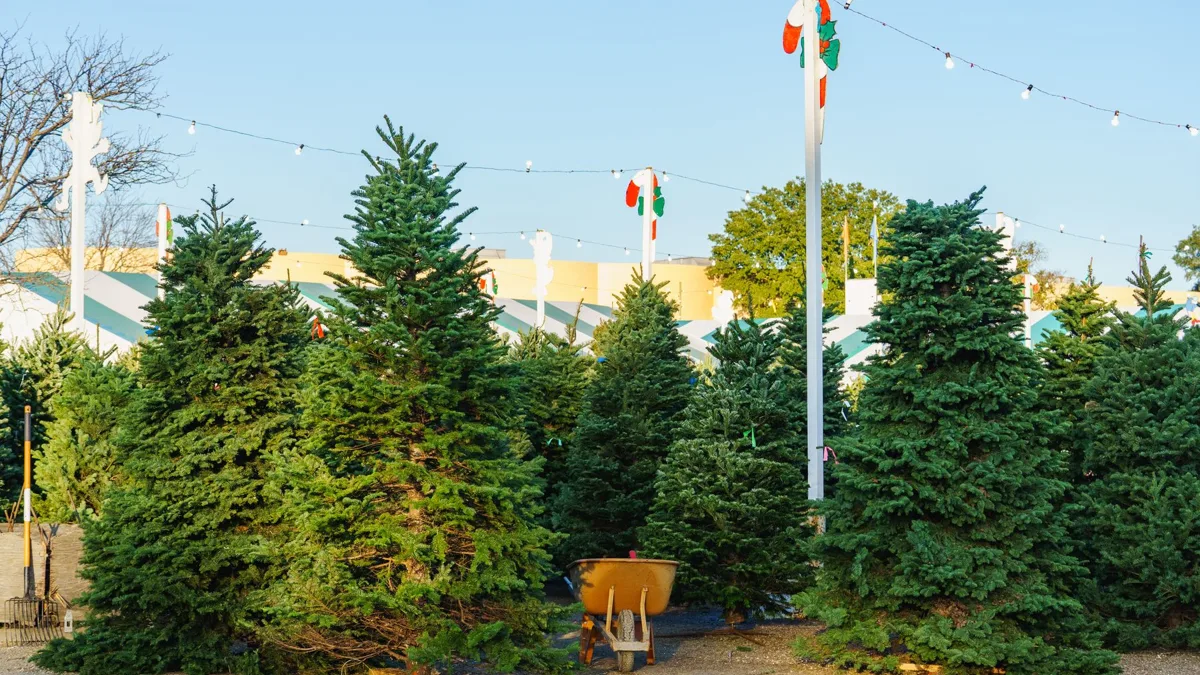
A real tree is a one-season purchase. You pay for the tree itself, and often for a stand that holds water, which you can reuse every year after the first.
An artificial tree costs more on day one, because you’re paying for many seasons at once. Prices vary widely by height, fullness and if lights are pre-strung, so it’s worth comparing a few models in person.
Here is how the first-year costs usually stack up.
| Cost item | Real tree | Artificial tree |
|---|---|---|
| The tree itself | Paid every year | Paid once, used for several years |
| Stand | Needs a water-holding stand | Usually included |
| Lights | Bought separately | Often pre-lit |
| Delivery or transport | Car roof or delivery each year | One trip, then stored at home |
| Disposal | Recycling or curbside pickup each year | Only at the very end of its life |
How the Costs Compare Over Several Years
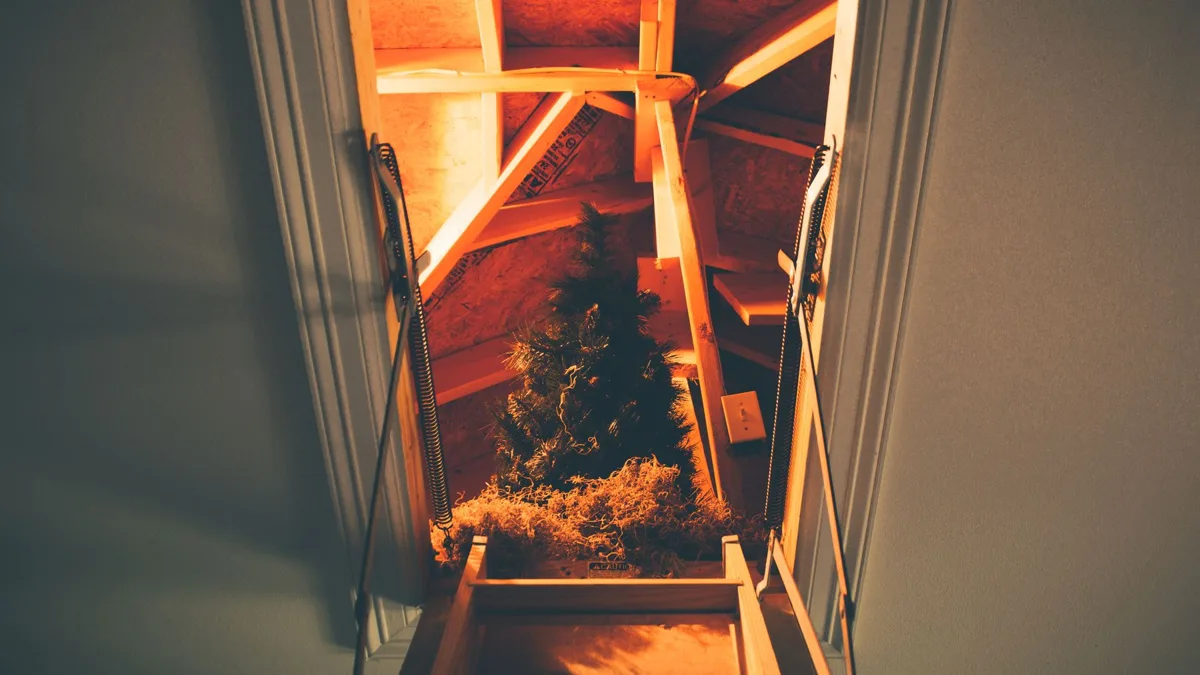
The real money question is how long you keep an artificial tree. The longer it lasts, the more each season costs you, until it’s eventually cheaper than buying fresh every year.
Storage is the hidden cost. An artificial tree needs a dry closet, attic or garage spot for eleven months, plus a sturdy box or storage bag so branches don’t crush.
Budget swap: If you love real trees but want to spend less, choose a smaller tabletop tree or a shorter, slimmer variety. If you prefer artificial, a mid-range tree you keep for many years often beats a cheap one you replace quickly.
Setup Day: Carrying, Assembling and Fluffing
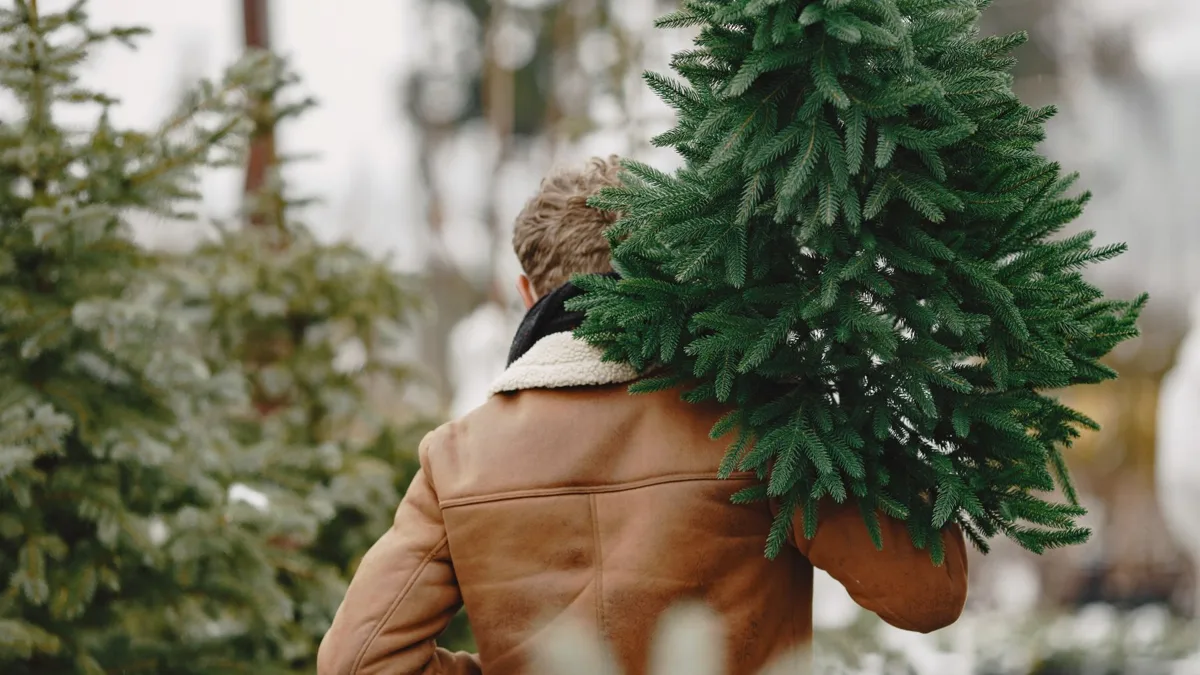
Real trees mean a trip to the lot or farm, getting the tree home and wrestling it into a stand. You’ll need to trim the trunk base so it can drink water, then straighten it before tightening the stand.
Artificial trees skip the trip, but they come with their own job. Each section has to be slotted together and every branch fluffed by hand, which can take an hour or more on a full tree.
- Real tree: trim the base, set it in the stand, add water the same day.
- Artificial tree: assemble sections, plug in lights, fluff from the inside out.
- Both: check the height against your ceiling before you buy. Our guide to what size Christmas tree to buy helps you measure.
- Both: place the tree away from heaters and fireplaces.
Needle Drop and Cleanup Through the Season
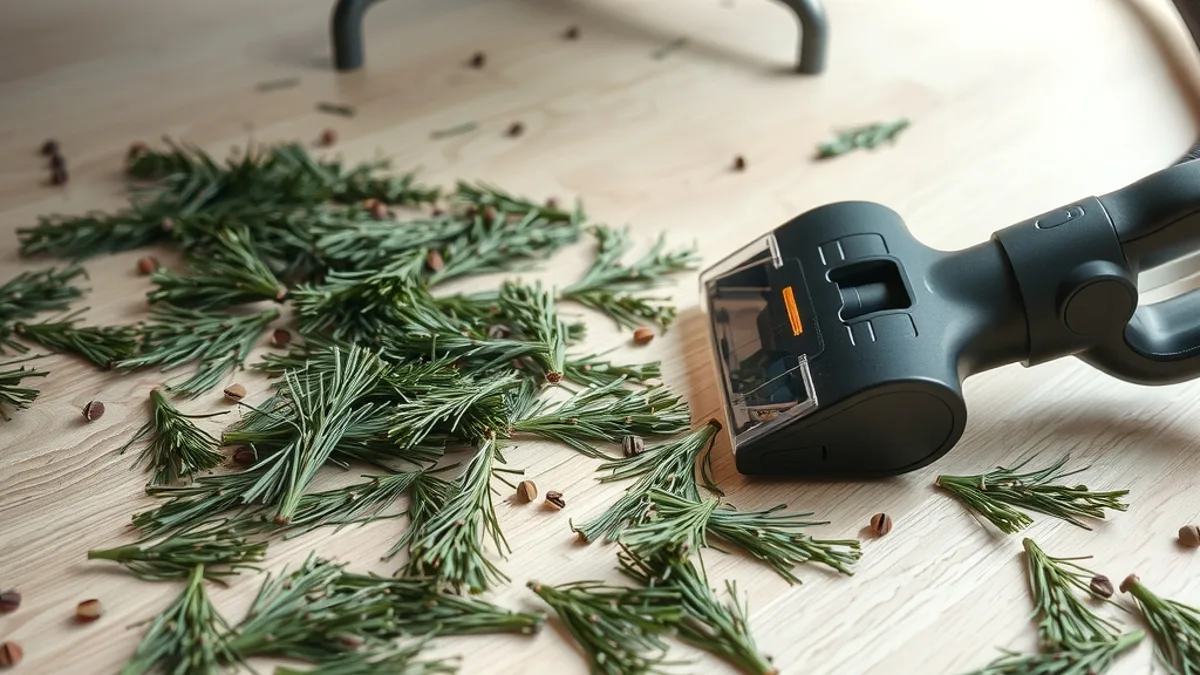
Cleanup is where the two trees differ most. A real tree sheds needles from the day it arrives, and the drop speeds up as it dries. Needles hide in rugs, under furniture and in gift wrap long after the holidays.
Artificial trees shed too, just much less. Expect a few loose plastic tips during setup and takedown, mostly from older trees.
This table shows what each tree asks of you during the season.
| Cleanup task | Real tree | Artificial tree |
|---|---|---|
| Vacuuming | Every few days | During setup and takedown |
| Watering | Daily check | None |
| Sap on hands or floors | Possible | None |
| Takedown mess | Heavy needle drop | Light |
What to avoid: Don’t drag a dry real tree through the house. Wrap it in an old sheet or tree bag before you carry it out, and most of the needles go with it.
Daily Care and Safety Habits
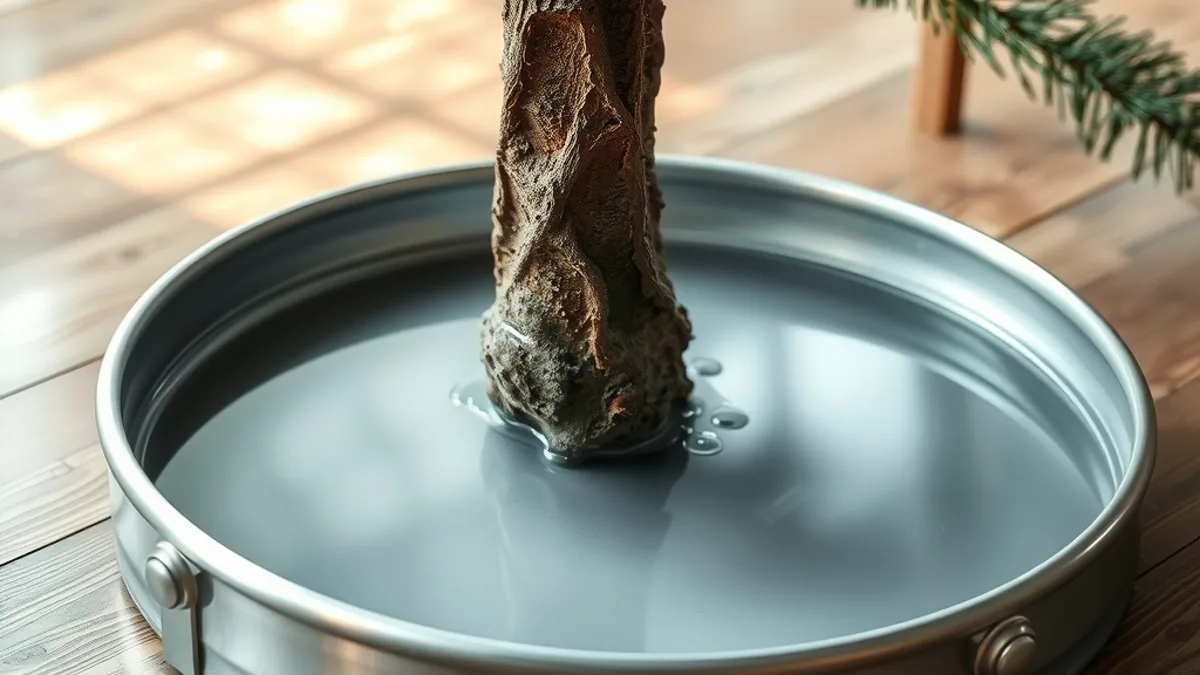
A real tree is a living plant, so it needs water every day. A fresh tree can drink a lot in the first week, and a dry stand is the main reason trees drop needles early. Our guide on how to keep a real Christmas tree alive covers this step by step.
Dry trees are also a fire risk, so water and placement matter. Keep any tree away from candles, heaters and fireplaces, and turn tree lights off when you leave the house or go to bed.
Artificial trees need far less daily attention. Check older lights for frayed wires, and follow the care label on the box.
Look, Smell and the Feel of the Season
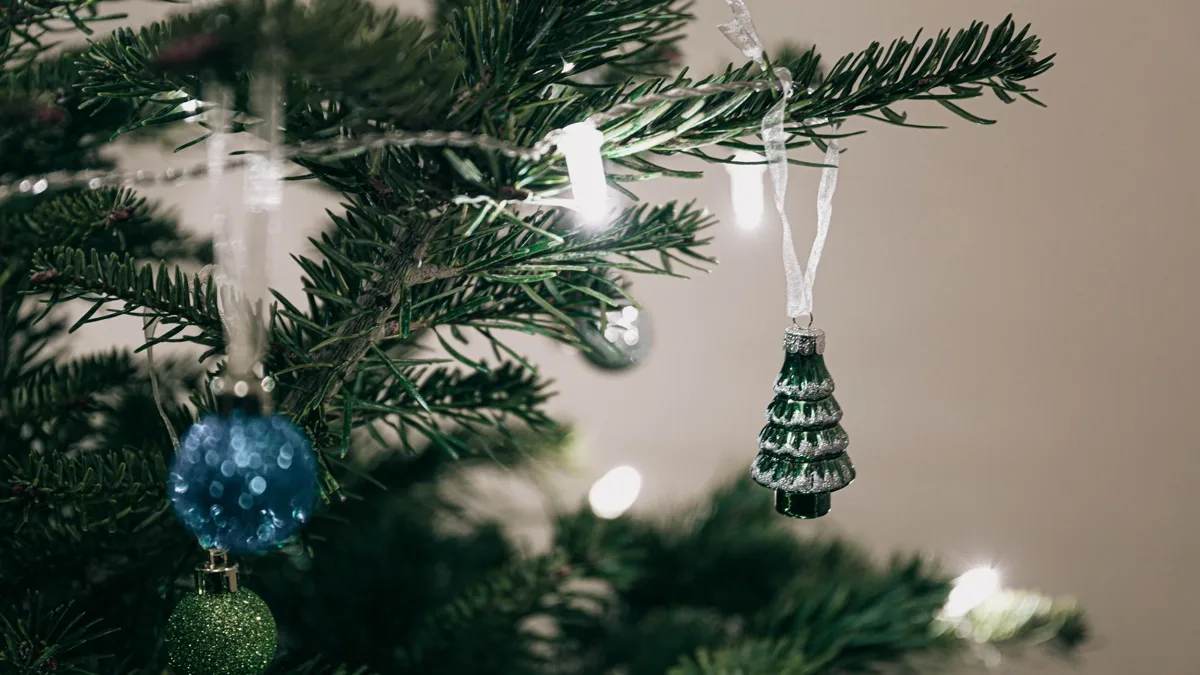
For many families the decision comes down to feeling. A real tree brings a fresh pine smell, natural shape and small quirks that make it feel alive.
Artificial trees offer a consistent, full shape every year, and many now have realistic tips. They also suit people with pine allergies, pets that chew branches or homes where daily watering is hard.
Here is a quick guide to which tree may suit which household.
| If you value | Consider |
|---|---|
| Natural scent and tradition | Real tree |
| Low maintenance | Artificial tree |
| Allergies to pine | Artificial tree |
| No storage space | Real tree |
| Pets that chew or drink tree water | Artificial tree |
The Simple Formula for Choosing Your Tree
Formula: years you’ll keep it + storage space + daily care you’re happy to do = the right tree for you.
If you have storage and plan to keep a tree for many seasons, artificial usually wins on cost and effort. If storage is tight or the real-tree tradition matters to you, a fresh tree is worth the cleanup.
For most homes, the real vs artificial Christmas tree choice comes down to storage and daily care. Once your tree is up, see our Christmas tree ideas for styling inspiration.
Frequently Asked Questions
Is a real or artificial Christmas tree cheaper?
In the first year, a real tree usually costs less. Over several years, a well-kept artificial tree often works out cheaper because you only buy it once.
Which tree makes less mess?
Artificial trees make far less mess. Real trees drop needles throughout the season, especially if they dry out.
How long does an artificial tree last?
With careful storage, many artificial trees last for years. Store it in a dry place in a proper bag or box to protect the branches.
Are real Christmas trees a fire risk?
Dry trees can be. Water a real tree every day, keep it away from heat sources and switch off lights when you leave the room.
Pick the Tree That Fits Your Season
There’s no wrong answer in the real vs artificial Christmas tree debate. A real tree brings tradition and scent, while an artificial one saves time and cleanup year after year.
Think about your space, your budget over time and how much daily care you want in December. Whichever you choose, a well-placed, well-lit tree will make the room feel festive. Start by measuring your space, then pick the tree that fits it.

