
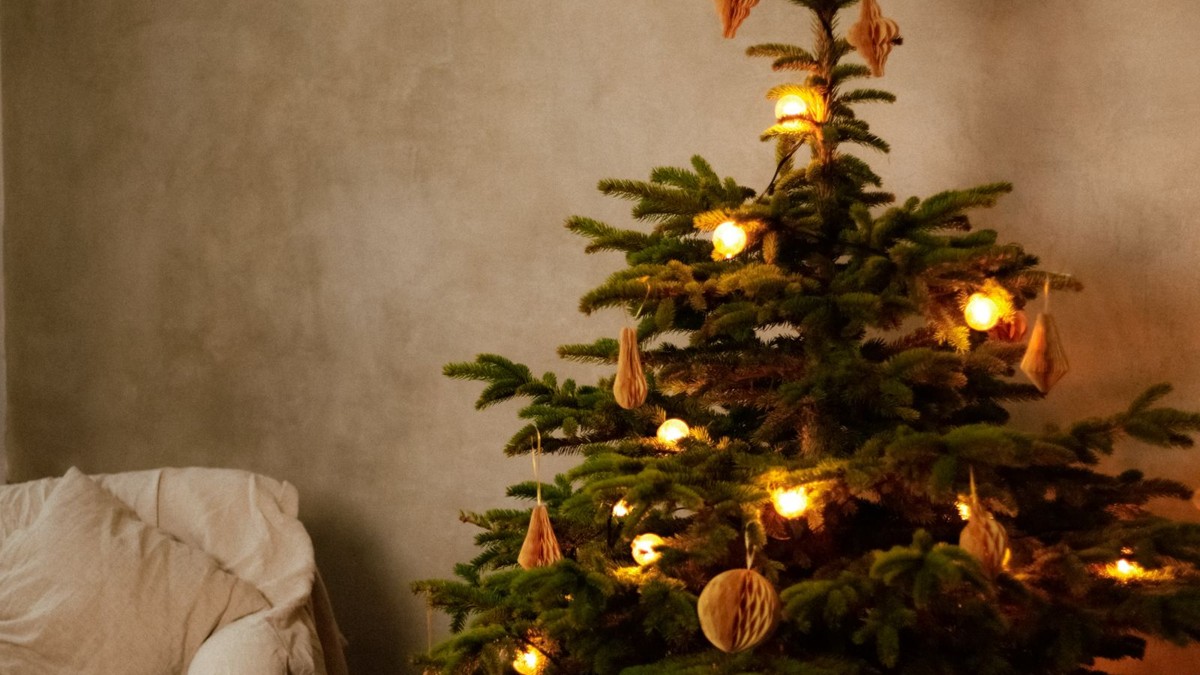
A real Christmas tree can look full and glossy the day it comes home, then start dropping needles on the rug before the middle of December. That slow fade is one of the most common holiday frustrations, and it usually has very little to do with the tree you picked.
It feels unfair. You chose carefully, carried it in, decorated every branch, and now the floor crunches when you walk past it.
The good news is that learning how to keep a real Christmas tree alive comes down to a few simple habits: a fresh cut, the right stand, steady water and a smart spot in the room.
None of it needs special products. This guide walks through each step and explains why it works, so your tree stays green and fragrant right through the holidays.
Why a Cut Christmas Tree Starts Drying Out So Fast

A cut tree is still trying to drink. It pulls water up through the trunk, the same way it did in the ground, and loses moisture through every needle.
The trouble starts at the base. Once a tree is cut, sap begins to seal the bottom of the trunk within a few hours. When that happens, water sits in the stand but barely moves up into the branches.
Warm, dry indoor air speeds everything up. Radiators, fireplaces and heating vents pull moisture from the needles faster than a sealed trunk can replace it. That’s why two trees bought on the same day can last very different lengths of time in two different homes.
The Fresh Trunk Cut That Lets Your Tree Drink Again

This is the single most important step, and it takes about two minutes. Before the tree goes into its stand, saw a thin slice straight across the bottom of the trunk, about half an inch to an inch thick.
That fresh cut opens up the trunk so it can take in water again. Get it into water within a few hours, before the sap has a chance to seal it over.
Scale note: cut straight across, not at an angle or into a V shape. A flat cut sits evenly in the stand and gives the trunk the most surface to drink from.
Try this: if you buy the tree from a lot, ask them to make the cut for you just before you leave, then head straight home and set it up.
Choosing a Christmas Tree Stand That Holds Enough Water
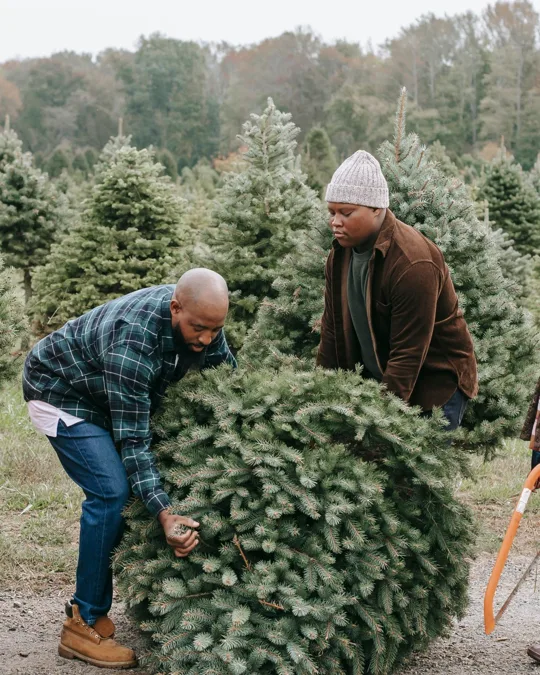
A stand that’s too small is one of the quietest reasons trees dry out. The bowl simply can’t hold enough water for a thirsty trunk, especially in the first few days when a fresh tree drinks the most.
Look for a stand with a deep, wide water reservoir and screws that grip the trunk without needing you to shave the bark down. The bark’s outer layers are where the tree actually moves water, so whittling the trunk to fit a small stand works against you.
This quick guide helps match the stand to the tree you bring home.
| Tree height | What to look for in the stand | Why it matters |
|---|---|---|
| Tabletop (under 4 ft) | A small stand with a real water bowl, not a dry base | Even small trees need constant water to stay green |
| Medium (5–6 ft) | A reservoir that holds about a gallon | Covers a full day of drinking without running dry |
| Tall (7–8 ft) | A wide, heavy base and a large reservoir | Keeps the tree stable and gives a thick trunk room to drink |
| Extra tall (9 ft and up) | A heavy-duty stand plus a wall anchor | Prevents tipping in homes with pets or kids |
Budget swap: if your stand is small, a long-spout watering can makes daily top-ups quick, so it never runs dry between checks.
A Daily Watering Routine for Your Real Christmas Tree

Fresh trees drink the most in their first week, sometimes far more than people expect. After that the pace slows, but the trunk still needs water every single day.
- Check the water every morning, and again in the evening for the first few days.
- Keep the base of the trunk covered at all times. If the water level drops below the cut, the trunk can seal again.
- Use plain tap water. Sugar, aspirin and other add-ins aren’t needed. Clean, steady water is what keeps the needles soft.
- Make it part of a routine, like filling the kettle or feeding a pet, so it never gets skipped on a busy day.
If the stand ever goes completely dry for more than a few hours, the tree may stop drinking well. In that case, a fresh cut is hard once it’s decorated, so prevention matters most here.
Where to Place a Real Christmas Tree in Your Living Room
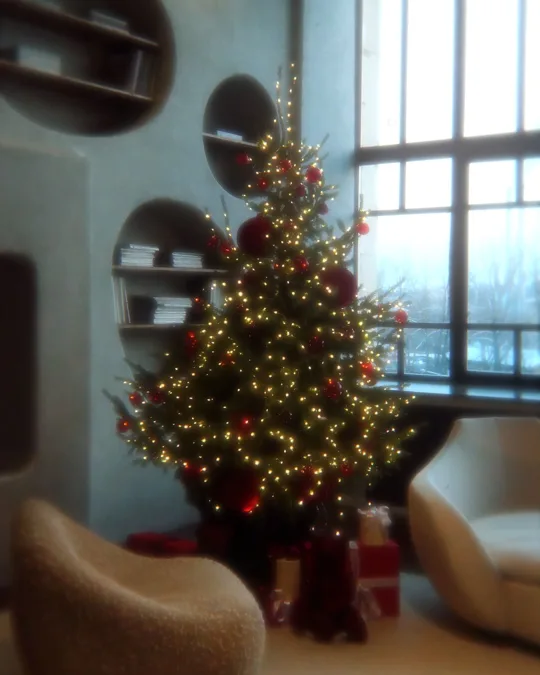
Placement is where good holiday styling and tree care meet. The spot that looks best in your living room decor isn’t always the spot that keeps the tree healthiest, so it helps to balance both.
Keep the tree well away from fireplaces, radiators, heating vents and sunny windows that warm up during the day. Heat pulls moisture from the branches and dries the needles from the outside in.
Lighting swap: use LED string lights. They run much cooler than older incandescent bulbs, which means less heat sitting right against the needles for hours each evening.
For more on light counts, see our guide to how many lights a Christmas tree needs. If you are still planning the look itself, our Christmas tree ideas are a good place to start.
A cooler corner, a slightly lower room temperature and a humidifier nearby all help. Even small changes slow the drying a lot over a few weeks.
Real Christmas Tree Care Mistakes, With Easy Fixes

Most needle-drop problems come from small habits rather than a bad tree. This side-by-side makes the common ones easy to spot.
| Do this | Not that |
|---|---|
| Make a fresh straight cut right before setting up | Put the tree in the stand with the old, sealed trunk |
| Check and top up water every day | Water only when you notice needles on the floor |
| Place it in a cool spot away from vents and fireplaces | Tuck it right beside a radiator because it fits the corner |
| Use LED lights and switch them off at night | Leave warm older bulbs running for hours |
| Choose a stand with a big water bowl | Shave the trunk to squeeze it into a small stand |
If you spot one of these in your own setup, it’s never too late to adjust. Moving the tree a few feet or adding a second daily water check can make a visible difference within days.
The Fresh-Tree Formula for a Green Christmas All Month

Formula: fresh straight cut + a deep stand kept full every day + a cool spot with LED lights.
This works because it tackles the three things that dry a tree out: a sealed trunk, an empty stand and too much heat. Fix those, and the needles stay soft and fragrant much longer.
You can vary the details to suit your home. A rental with radiators might mean a smaller tree on a table by a cooler wall, while a house with a fireplace might mean placing the tree on the opposite side of the room. The formula stays the same.
Pair it with cozy home decor that doesn’t add heat, like knit throws, garland on a mantel away from the tree and candles kept at a safe distance. Our Christmas living room decor ideas show plenty of ways to do that.
Frequently Asked Questions
How long does a real Christmas tree last indoors?
With a fresh cut, daily water and a cool spot, many real trees stay green for about four to five weeks. Warm rooms and missed watering shorten that time noticeably.
Should I put sugar or aspirin in my Christmas tree water?
Plain water is enough. A fresh cut and a stand that never runs dry do far more for the tree than any add-in.
Why is my Christmas tree not drinking water?
The trunk has most likely sealed with sap, either because it wasn’t cut fresh or the water dropped below the base. A new cut helps if you can do it before decorating.
Which Christmas trees hold their needles best?
Fir trees, such as Fraser and Nordmann, are known for holding needles well. Ask your tree seller which varieties they carry and how recently they were cut.
A Greener Tree Is Mostly About Small Daily Habits

Keeping a real tree fresh isn’t about luck or expensive products. It’s about a clean cut, a full stand and a spot that keeps heat at a distance.
Start with just one habit this week: check the water every morning with your coffee. Once that feels automatic, the rest falls into place. Your tree will stay softer, smell better and look ready for every photo right up to Christmas morning.


1 thought on “How to Keep a Real Christmas Tree Alive Through All of December”