

Staring at a $3,500 quote from a professional staging company, Maya realized something important. Making her home look like a million bucks should not eat into her actual equity.
In the 2026 real estate market, buyers scroll through listings faster than ever. If a home does not look flawlessly move in ready on a screen, they scroll right past. Sellers need a way to stand out without spending a massive fortune.
That is exactly what this guide delivers. Maya bypassed the expensive professionals completely. She discovered exactly how to achieve DIY home staging on a budget. This guide explains how she managed to stage a house for $300.
Why the 2026 Market Demands a Staged Home
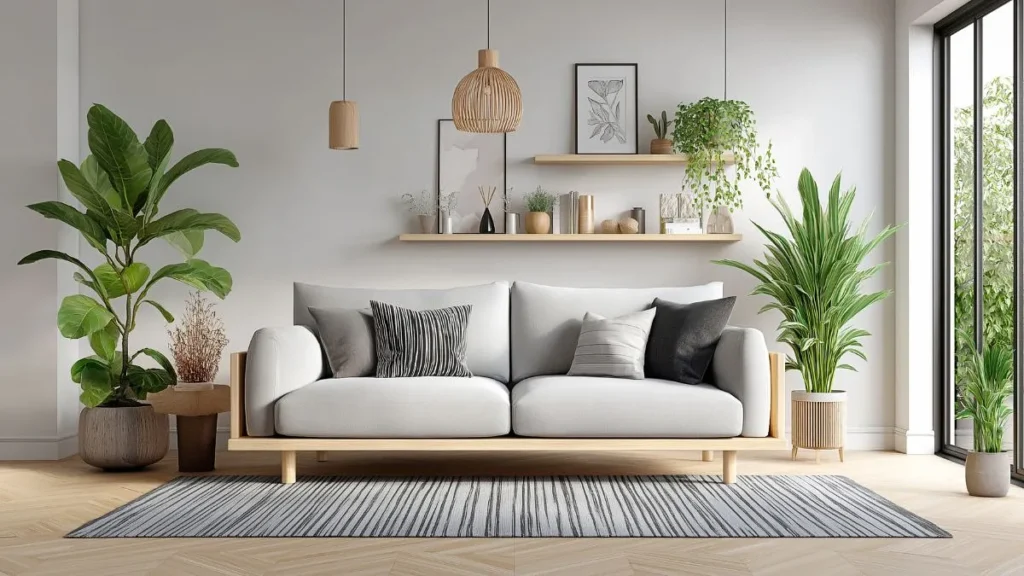
Buyers today make split second decisions based on tiny phone screens. A stale listing sits untouched for months. A highly desired home sparks immediate bidding wars.
When a house sits too long, buyers naturally assume something is wrong with it. The difference often comes down to emotional connection and perceived value.
When buyers walk into a clean and styled space, they instantly picture their own future there. That emotional pull translates directly into higher offers.
Recent data from the Real Estate Staging Association proves this exact point. Staged homes average a 109 percent sale to list ratio.
That means they sell for roughly 9 percent over asking. These homes also spend an average of only 9 to 19 days on the market.
National Association of Realtors economists note that improving affordability and move in ready expectations drive the 2026 market.
You must meet these expectations if you want to sell house fast over asking price. The good news is that sellers do not need to pay the average professional staging cost of $1,800 to $4,500 upfront. Maya proved you can create that high end feel completely by yourself.
The Blueprint: How Maya Allocated Her $300 Budget
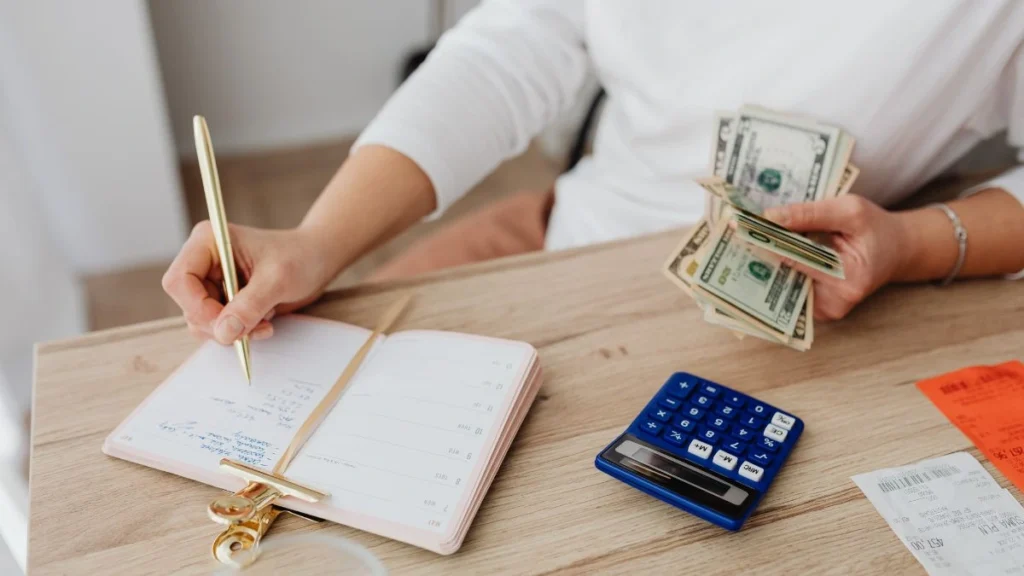
Maya realized early on that staging is not about buying new furniture. It is about editing what you already own to show off the space. She needed a clear plan to maximize her tight budget.
She skipped expensive rugs and large art pieces entirely. Those items drain a wallet quickly. Instead, she focused heavily on soft staging.
Soft staging uses simple textiles and clever placement to make a room feel warm and inviting.
Here is the exact breakdown of how Maya spent her money for low cost home staging 2026:
| Staging Category | Items Purchased | Total Cost |
| Deep Cleaning | Grout brushes, glass cleaner, sponges, white vinegar | $40 |
| Paint & Repairs | Neutral white paint, rollers, patching paste, sandpaper | $120 |
| Textiles & Soft Staging | Fluffy white bathroom towels, neutral throw pillows | $80 |
| Curb Appeal & Nature | Black mulch, live indoor plants, fresh welcome mat | $60 |
| Furniture Rearranging | Moving existing pieces for better room flow | $0 |
| Total Budget Spent | $300 |
This budget focuses strictly on high impact updates. If you have an entirely empty room, do not rent physical furniture. You can use Virtual Staging instead.
This costs just $15 to $150 per photo and serves as a budget friendly alternative. With her plan fully set, Maya got to work.
Step 1: Ruthless Decluttering and Deep Cleaning (Cost: $40)

People do not realize how much stuff they own until they try to make a house look empty. The 2026 trend focuses heavily on minimalist yet functional spaces. Buyers want to see clean surfaces and massive storage potential.
Maya started with the 50 Percent Closet Rule. She packed up half of her clothes and removed them from the house completely. This instantly made her closets look huge.
Next, she cleared every flat surface. She hid personal photos, bold decor, and pet bowls. Depersonalizing helps buyers envision their own lives in the space.
Then Maya focused on the deep clean. Buyers judge dirty areas harshly. She scrubbed the bathroom grout with a cheap brush. She wiped down every single baseboard. She washed the windows until they sparkled.
Maya also used a completely free trick to clean her sinks. She soaked her faucet heads in a bag of white vinegar to remove hard water stains.
This zero dollar hack makes old fixtures look brand new. Mastering these cleaning tasks is the true secret to DIY home staging on a budget.
Step 2: Fresh Paint and Strategic Lighting (Cost: $120)
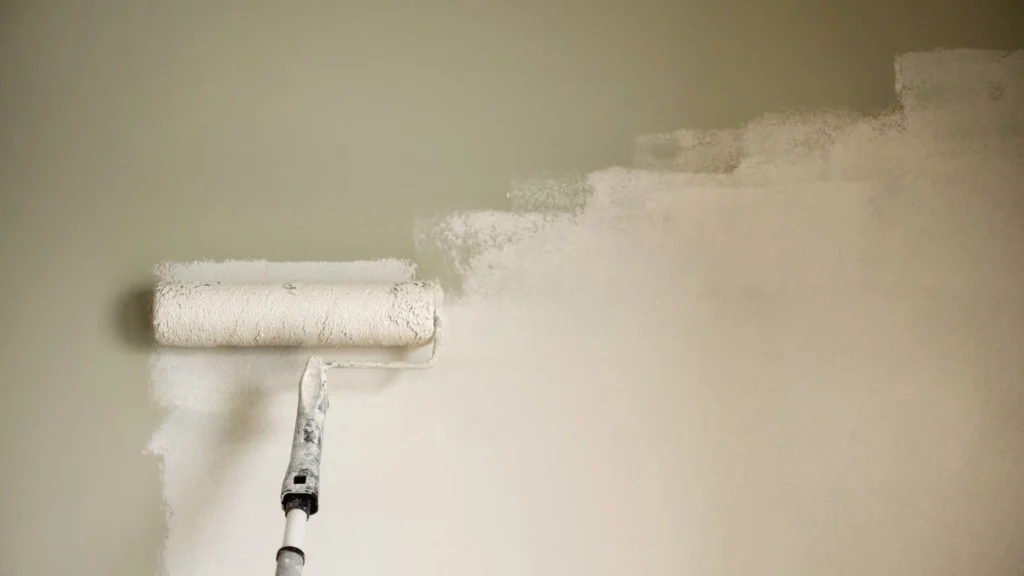
A fresh coat of paint hides a multitude of sins. Neutral paint is the ultimate return on investment hack in real estate. Fresh paint jobs can actually bring sellers an average 107 percent return on investment. Maya spent the bulk of her budget here because walls take a beating over the years.
She patched nail holes and fixed minor wear and tear first. She tightened loose door handles and touched up scuffed trim.
Then she painted the main living areas a soft, neutral white. This single change made the entire house feel ten years newer.
Next, Maya tackled the lighting. Dark rooms feel small and uninviting. She opened every blind to maximize natural light. Then she checked every single lamp and ceiling fixture.
She swapped out mismatched bulbs for uniform, soft white LED bulbs. Consistent lighting creates a smooth flow from room to room. When you want to stage a house for $300, you must prioritize bright and neutral spaces.
Step 3: Rearranging Furniture for Maximum Flow (Cost: $0)
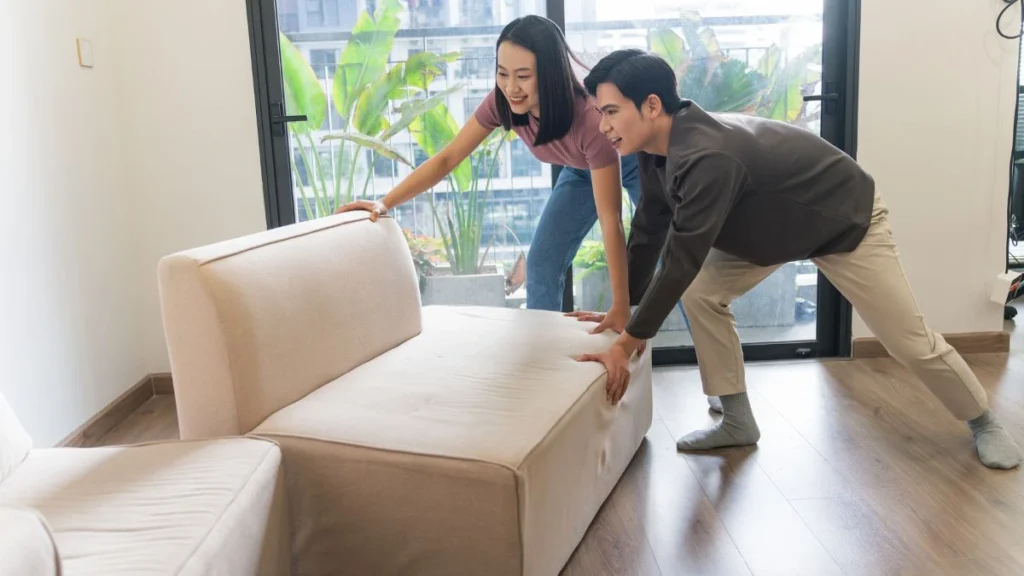
The way you live in a house is completely different from the way you sell it. Buyers need to walk through rooms easily without bumping into things. Maya realized her living room felt cramped because her sofa pushed right up against the wall.
She removed two bulky chairs that blocked the main pathway. Then she pulled her sofa floating into the center of the room. This simple change creates a cozy conversation area.
It also shows buyers exactly how to use the space. Moving your furniture costs absolutely nothing. But creating wide pathways makes every room feel significantly larger.
Step 4: Biophilic Touches and the “Rule of Three” (Cost: $80)
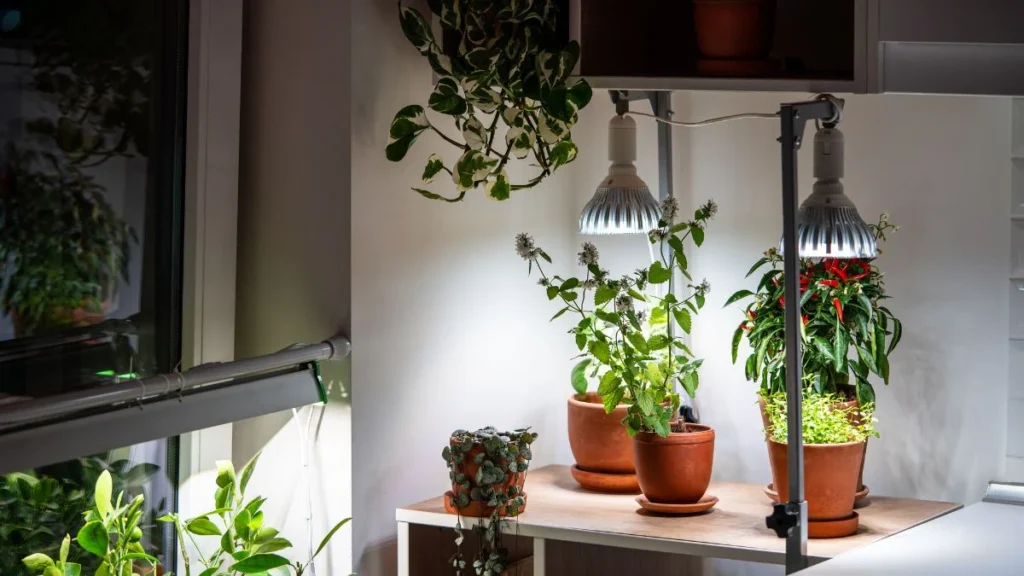
Empty, white rooms can sometimes feel cold. Maya needed to add warmth without adding clutter. Biophilic Design is a massive trend right now. This simply means bringing elements of nature indoors.
Adding live plants creates an instant emotional appeal. Plants make spaces feel vibrant and healthy.
Maya focused these natural touches on the living room and primary bedroom for maximum impact. Then she styled her existing coffee tables and floating shelves using The Rule of Three.
This design trick groups a large, a medium, and a small item together. It creates visual interest without looking messy. A small plant, a medium candle, and a large book work perfectly together.
Finally, Maya focused on the bathrooms. She wanted to create a high end spa feel. She purchased cheap, fluffy white towels and draped them neatly over the racks. Fresh white towels instantly elevate a tired bathroom. This is the absolute essence of low cost home staging 2026.
Step 5: Nailing the First Impression (Cost: $60)
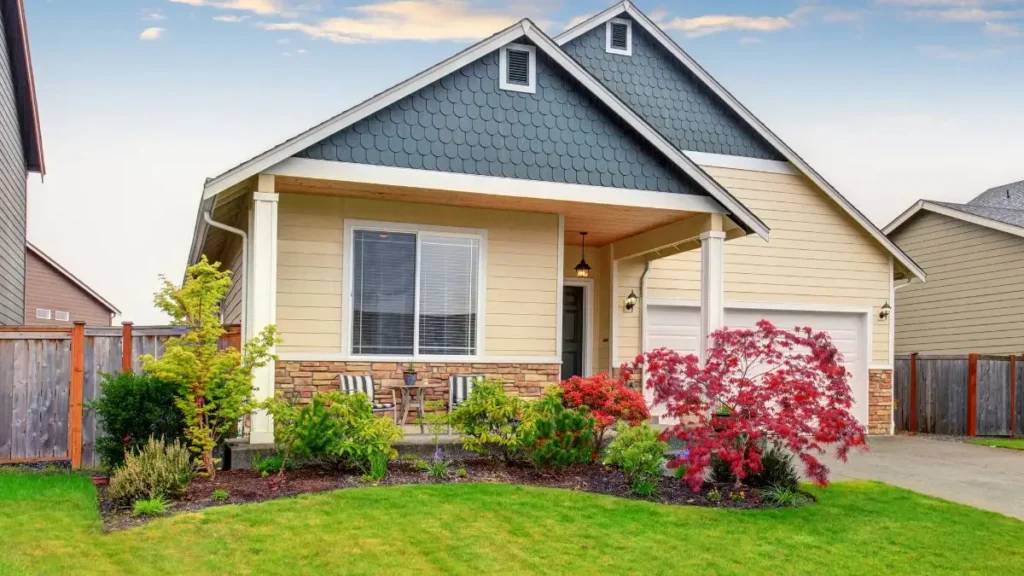
Curb appeal dictates whether a buyer even gets out of their car. Approximately 31 percent of buyers agents say buyers are more willing to walk through staged homes they first saw online. Your exterior hero shot is critical for your online listing.
Maya spent her final dollars making the outside look as tidy as the inside. She swept the front walkways completely clear of dirt and debris. She pulled every weed she could find in the garden beds.
Then she spread fresh black mulch around the front shrubs. Fresh mulch provides an instant, clean contrast against the green plants and concrete walkways.
Finally, Maya made the front door pop. She scrubbed the door clean, polished the metal handle, and added a fresh welcome mat. This created a highly inviting entrance.
When buyers feel welcomed at the front door, they carry that positive feeling inside. This simple outdoor effort is the final key to help you sell house fast over asking price.
Conclusion
Making your home look spectacular does not require a massive bank account. It requires elbow grease, ruthless decluttering, neutral paint, and strategic styling.
Maya transformed a stale property into a highly desired home over a single weekend. Stick to simple updates and focus heavily on cleanliness to win over modern buyers.