

Linda Marry stared at the empty living room of her new apartment and felt complete frustration. She wanted a beautifully styled home, but her bank account showed absolutely zero extra funds.
Lacking capital keeps people stuck in spaces they hate. This is the exact story of how she built a highly profitable home decor side hustle from nothing.
She took a crisp $50 bill and turned it into a thriving, scalable business. She learned to source free items and sell upcycled goods for real cash. Here is everything she did to build her income.
Choose Your Low Cost Design Niche
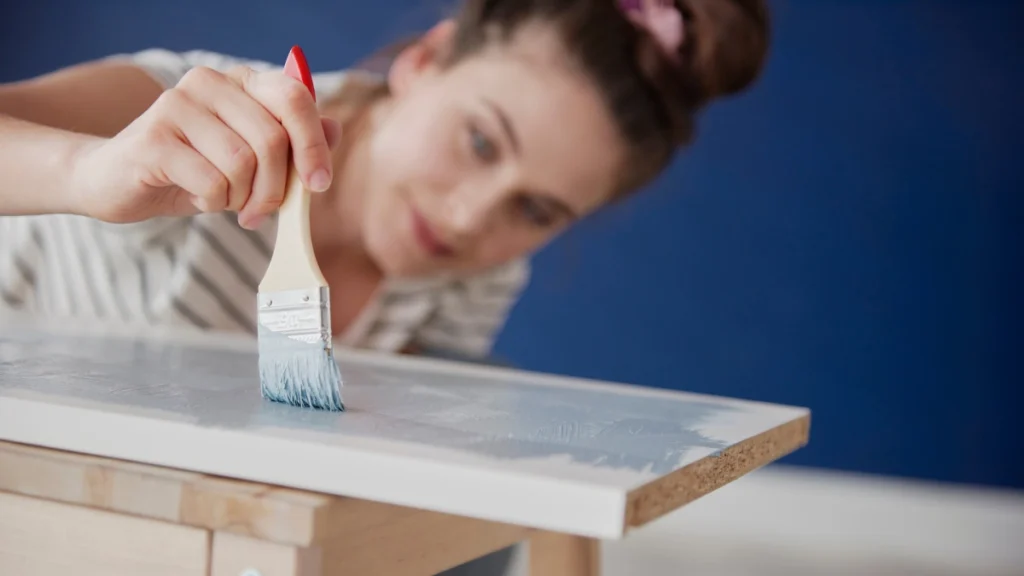
Linda Marry started by looking at the few design pieces she already owned. She noticed a strong preference for modern rustic items. She realized selling what she already loved made the most sense.
She knew she needed to define exactly what she would sell. Narrowing her focus kept her initial supply costs incredibly low. She did not want to buy twelve different paint colors.
A focused niche meant she only needed black paint and wood stain. This decision allowed her to start a business without borrowing money. She decided to focus solely on small wooden furniture.
She chose small items like nightstands and wooden stools. She knew starting small prevented overwhelming inventory from ruining her apartment. She lacked a garage, so space was her biggest limitation.
During her research, she found an encouraging statistic. She read a recent GlobalData report about the resale industry. The report projected the global secondhand market to reach $350,000,000,000 soon.
This data proved that buyers wanted unique preowned items. People constantly search for specific aesthetics that feel authentic. They gladly pay for curated pieces over mass produced items.
Linda Marry also read an interview with interior designer Leanne Ford. The designer discussed the immense value of imperfect vintage pieces. Ford noted that slightly worn items add immediate soul to sterile rooms.
This shifted how Linda Marry viewed her potential business. She realized she was not just selling an old painted chair. She was selling a curated aesthetic to people lacking design skills.
Focusing on one specific style allowed her to build her skills quickly. A tight niche kept her branding cohesive and highly recognizable. Once she knew what to sell, she needed the actual supplies.
She spent hours planning her exact product lineup. She wrote down a strict rule to only buy small wooden tables. This discipline kept her focused when shopping for supplies.
Her limited space forced her to be incredibly smart about inventory. A single unfinished table could sit in the corner of her room. Three large dressers would have made her apartment completely unlivable. She stayed completely focused on her tiny niche.
How to Stretch Your $50 Startup Budget
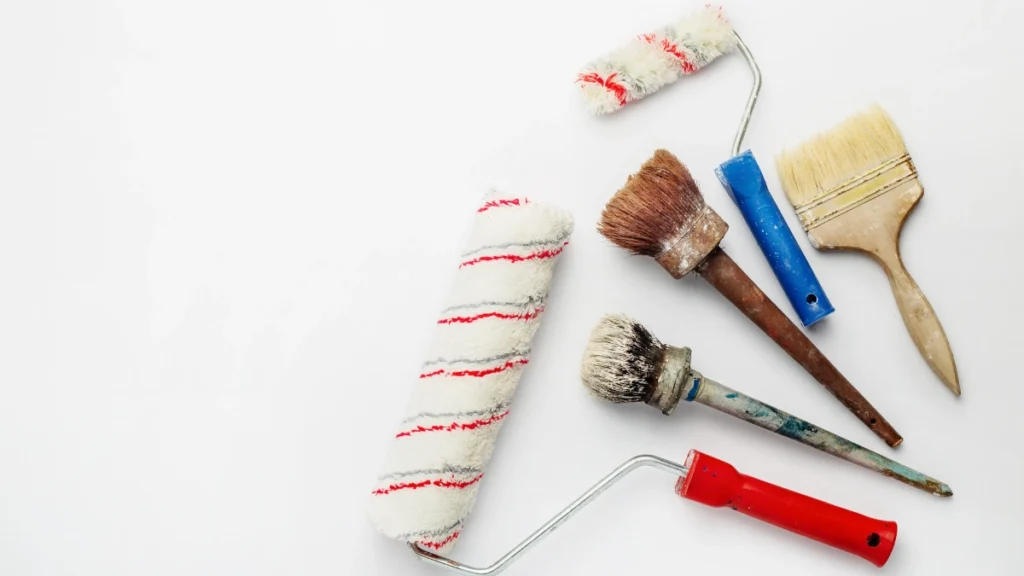
A $50 bill disappears instantly at a hardware store without a plan. Linda Marry knew she had to break down exactly where every dollar went. Buying the wrong supplies would completely stall her progress.
She prioritized high impact supplies for her first purchase. A quality synthetic brush and good sandpaper were absolutely essential. She completely skipped expensive power tools during her first few months.
She read a recent Houzz report that confirmed her strategy. The report highlighted the constantly rising costs of brand new furnishings. This massive price gap creates incredible profit margins for upcycled goods.
She realized flipping furniture for profit required very few specialized items initially. A simple can of paint worked wonders on old wood. She focused on finding free inventory to save cash for finishing products.
She did not buy an expensive electric sander for her small tables. Hand sanding with a flexible sponge provided enough grip for new paint. This simple choice saved her at least $50 right away.
Below is the exact budget Linda Marry used to start her business. She focused only on the absolute bare necessities for small wooden pieces.
| Item | Cost Estimate | Business Purpose |
| Rust Oleum Chalked Paint Quart | $17 | Covers up to three small side tables |
| Gator finishing sanding sponges | $5 | Smooths rough edges before painting |
| Synthetic bristle angled brush | $10 | Applies paint evenly without shedding bristles |
| Clear matte protective topcoat | $15 | Seals the paint to prevent future chipping |
| Bar of basic hand soap | $2 | Cleans hardware and dirty prep surfaces |
This precise budget left her with exactly one dollar to spare. She had everything required to completely transform a worn piece of furniture. Proper brush care made that $10 brush last for months.
She washed her brush immediately after every single painting session. She never let paint dry near the ferrule to keep bristles soft. With supplies in hand, she needed items to actually paint.
She refused to buy larger bulk supplies until she made a sale. A larger can of topcoat eventually costs less per ounce. But her strict budget forced her to buy only what she needed.
She stored her small supply kit in a single plastic shoebox. This organization kept her tiny apartment feeling clean and functional. She proved that expensive equipment is never required to start earning.
Sourcing Inventory When You Have Zero Cash
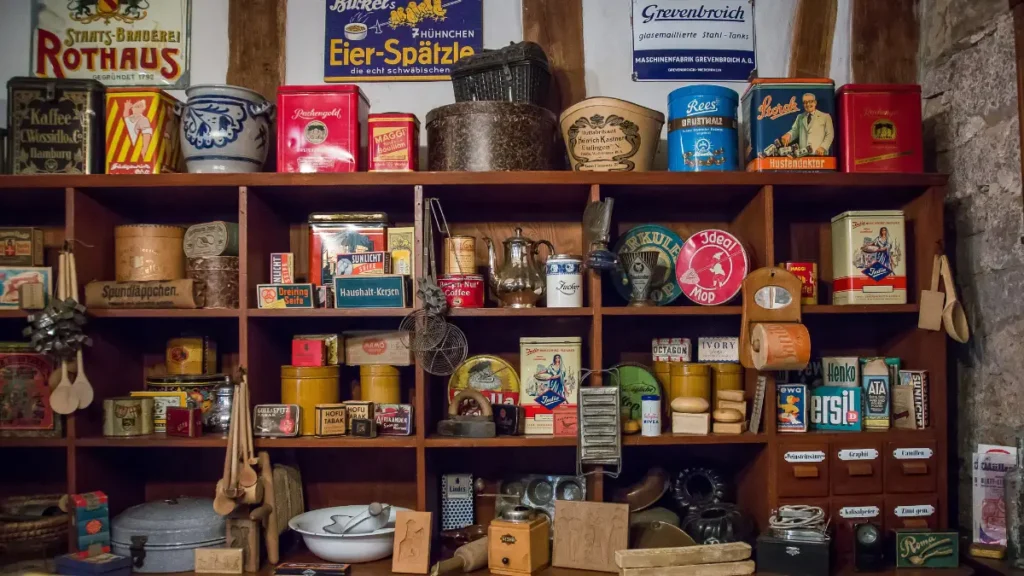
The absolute highest profit margins come from inventory that costs nothing. Linda Marry knew she could make money selling home decor if her product cost was zero. Finding free items simply required deep patience and a good eye.
She started by monitoring curb alerts in affluent local neighborhoods. People frequently left perfectly good furniture outside after buying new pieces. She just needed to get there before the garbage truck arrived.
She always inspected curb finds for structural damage or intense odors. A loose hinge was an easy fix, but deep water damage ruined wood. She smelled the drawers to ensure no mold or pet damage existed.
One rainy Tuesday afternoon yielded incredible financial results for her business. She found a discarded solid wood nightstand sitting near a wet driveway. It looked terrible, but a quick sanding turned it into a $150 profit.
She learned to always carry thick moving blankets in her car trunk. She never knew when she would spot the perfect wooden dresser. Being prepared meant she never missed a great free opportunity.
She also asked family members for unwanted attic items. Her aunt gladly gave away an old chair collecting dust in storage. People often give items away simply to clear up their own space.
When she did spend money, she stuck to very cheap thrift stores. Typical thrifted wooden side tables cost between $10 and $15 locally. She also visited estate sales on the final day for massive discounts.
During her planning, she found an interesting Apartment Therapy survey. The data revealed over sixty percent of millennials actively hunt for secondhand furnishings. Her target buyers were already out there looking for her exact style.
She noticed vintage decor items held incredible resale value. She looked for heavy brass figures and solid wood frames. These smaller items required zero paint and only needed a quick cleaning.
She never hoarded free items just because they cost nothing. She only picked up pieces she had the current supplies to finish. A garage full of free furniture meant nothing until she found buyers. She stayed disciplined and only sourced items she could paint immediately.
Setting Up Your Online Shop for Free

Buyers judge an entire business based on the very first photo. Linda Marry knew she had to make her items look highly desirable immediately. Bright natural lighting became her most important free marketing tool.
She never photographed a table in her dark apartment hallway. She carried painted pieces outside or placed them near a large window. She styled the tops with a simple green plant and books.
She had to decide whether to sell locally or ship nationwide. Local sales required zero packing materials and absolutely no shipping fees. Shipping nationwide opened a larger audience but required sturdy boxes and bubble wrap.
To sell vintage decor online successfully, she needed the right platform. She read Etsy seller data showing massive growth in the home goods category. But she knew Etsy was not her only viable option.
Facebook Marketplace offered an incredible free platform for bulky local items. She optimized her free profile by using clear photos and detailed descriptions. She always included exact measurements in her listings to prevent endless questions.
She listed the height, width, and depth in inches clearly. She told the buyer exactly what type of vehicle was needed for transport. This saved everyone time and helped her close the sale much faster.
She asked a friend to read her listings before posting them. Her friend often caught confusing details or noticed a blurry photo. A second set of eyes prevented silly mistakes from hurting her sales.
Clear policies and honest condition descriptions prevented return headaches later on. Linda Marry always disclosed scratches, dents, or slightly sticky wooden drawers. Buyers expected minor flaws on vintage items, but they hated hidden surprises.
She researched the best free platforms to launch her new shop. Here is exactly what she found during her platform comparison.
| Platform Name | Best For | Fee Structure |
| Facebook Marketplace | Bulky furniture and local sales | Zero fees for local cash pickup |
| Etsy | Small decor items and vintage wares | $0.20 listing fee plus transaction cuts |
| OfferUp | Quick local cash transactions | Zero fees for local cash pickup |
| Building a brand and local following | Zero fees for direct messages | |
| Craigslist | Very large items and heavy furniture | Zero fees |
A beautiful shop needs constant foot traffic to generate actual revenue. Linda Marry knew a great listing simply acted as a digital storefront. She had to actively market her pieces to find eager buyers.
Marketing Your Decor Pieces Without Ads

Organic marketing requires dedicated time instead of upfront cash. Linda Marry did not need to buy expensive digital ads to find customers. She simply showed up where people already looked for visual inspiration.
She built a strong brand presence on Pinterest using targeted keywords. She found Pinterest Business data revealing massive conversion rates for interior inspiration searches. People used the platform specifically to plan their upcoming home purchases.
She learned that search volume spikes for upcycled furniture hit in spring. However, there was steady year round volume for general vintage home decor. She captured this traffic by pinning bright photos of her finished pieces.
Pinners loved saving helpful tips and budget furniture transformations. Linda Marry created pins titled with the exact paint color she used. This specific detail drove massive traffic from people looking to replicate her look.
She created short styling videos for TikTok and Instagram Reels. She showed the messy before state and quickly revealed the beautiful after shot. People genuinely loved watching a dramatic visual transformation unfold online.
She filmed the satisfying moments of her actual work process. She recorded herself peeling away painter tape or brushing on a smooth topcoat. These process videos performed incredibly well and built immense buyer trust.
She read a book by designer and author Justina Blakeney. Blakeney highlighted the profound power of creative mixing in interior design. She emphasized that mixing thrifted items creates a totally unique personal style.
Linda Marry used this philosophy to market her pieces online. She showed buyers exactly how her refurbished tables fit into a modern room. She cross posted her available items to local community groups daily.
She used clear descriptive titles packed with highly relevant search terms. A title like restored black wooden nightstand worked perfectly for local algorithms. It performed much better than simply writing cute wooden table.
She always responded to comments and direct messages immediately. Quick communication told potential buyers that she ran a serious operation. Selling her first piece felt incredible, but keeping the momentum mattered more. Consistent posting built a local following that waited eagerly for her drops.
Reinvesting Profits to Scale Your Business

Resisting the urge to spend early profits proved incredibly difficult. Taking that first $100 and buying an expensive dinner would stall her growth. Linda Marry treated this incoming cash as critical business capital instead.
She kept her business funds completely separate from her personal banking accounts. She opened a free checking account dedicated solely to her new venture. This made tracking her true profit and operating expenses incredibly simple.
She tracked every single dollar she spent in a basic spreadsheet. Knowing her exact profit margin kept her motivated during very slow weeks. It also prevented her from accidentally losing money on a complex project.
She split her early business profits evenly. She saved half of the money in her bank account for safety. She reinvested the other half directly back into better quality inventory.
She found Small Business Administration data highlighting a crucial survival metric. Businesses that actively reinvest early profits show significantly higher long term survival rates. Discipline in the early months built a solid foundation for her success.
She learned to scale a side hustle quickly by upgrading her tools. She bought an electric orbital sander once her revenue covered the cost. This tool drastically reduced her physical labor and sped up her workflow.
Upgrading her tools eventually turned a weekend hobby into an efficient operation. She could process three tables in the time it took for one. This new efficiency directly equaled much higher hourly profits.
She kept detailed records of what styles and colors sold fastest. If matte black nightstands sold within hours, she painted more of them. She let her actual sales data dictate her future business decisions.
She eventually transitioned to buying small wholesale batches of decor items. This allowed her to sell identical items repeatedly without hunting for inventory. Her small side operation quickly grew into a highly reliable income stream.
Building a profitable design business required focused effort, not massive funding. Linda Marry succeeded because she picked a specific niche that fit her aesthetic perfectly. She sourced free items, painted them beautifully, and reinvested her first sales entirely.
This simple cycle took zero initial risk but offered unlimited financial upside. She controlled exactly how much she worked and how much she earned. She did not need to wait for a massive bank balance to start.
She grabbed some sandpaper and found a discarded wooden table to begin. She proved anyone can build a highly profitable home decor side hustle from scratch. Download the free printable $50 Business Budget Tracker to log initial expenses today.