

That pretty thrift store find can drain your budget fast if the decor resale margins are weak. A mirror may look expensive, but cracked backing, bad size, or hard shipping can kill the profit.
The second hand homeware market is projected to grow from $31.5 billion in 2025 to $53.9 billion by 2035, according to Future Market Insights.
This guide shows which decor pieces are worth watching now, from mirrors and lamps to rugs, art, textiles, and small accent furniture.
Why Decor Resale Margins Are Higher on Some Finds

Two thrift store pieces can cost $20 each. One sells in a day. The other sits for months.
That is the difference between pretty decor and profitable decor. Strong decor resale margins come from five things: low buy price, clear demand, good condition, easy styling, and low selling friction.
Selling friction means anything that makes the sale harder. Heavy weight, fragile glass, stains, odor, bad photos, and unclear measurements all hurt the deal.
Small decor can bring a high percentage margin. A brass candleholder bought for $4 may resell for $28. That is a strong return.
Large pieces can bring higher dollar profit. A vintage side table bought for $45 may resell for $175. The margin is still good, but storage and pickup matter more.
According to Research Nester, the global second hand furniture market is evaluated at $43.74 billion in 2026 and may reach $84.44 billion by 2035. That growth supports the bigger second hand decor market too.
Chairish also says it adds over 1,000 new pieces daily across vintage furniture, antique finds, original art, and decor. That shows how active curated resale decor has become.
Scarcity matters more than a loud trend. A real wood stool, carved mirror, wool runner, or handmade ceramic piece has staying power.
Trend only helps when the item already has good bones. A cracked lamp with weak wiring is still a risk, even if the shape is popular.
Use this quick margin formula before buying:
Resale price minus source price minus cleaning cost minus shipping cost equals real profit.
That last number matters most. A piece is not a deal until the math works.
Good photos can raise perceived value too. Style the item in a clean room, show scale, and take close shots of texture.
Once you understand the margin formula, the best decor categories become much easier to spot.
| Decor item | Typical source price | Resale range | Margin potential | Best platform | Shipping difficulty | Check before buying |
|---|---|---|---|---|---|---|
| Vintage mirrors | $20–$90 | $90–$400 | High | Facebook Marketplace | Medium | Glass, backing, frame |
| Statement lamps | $10–$60 | $65–$250 | High | Etsy, Chairish | Medium | Wiring, shade, base |
| Vintage rugs | $25–$150 | $120–$700 | Medium high | Marketplace, eBay | Medium | Odor, stains, fringe |
| Framed art | $5–$50 | $45–$300 | High | Etsy, eBay | Low medium | Frame, glass, subject |
| Brass candleholders | $2–$15 | $25–$95 | Very high | Etsy, eBay | Low | Weight, patina, dents |
| Rattan side tables | $25–$100 | $125–$450 | Medium high | Local pickup | Medium | Weave, legs, wobble |
The simple rule is this: buy pieces that are useful, easy to style, and harder to find new.
Vintage Mirrors With Ornate or Sculptural Frames

Mirrors sell because they solve two decor problems at once. They decorate the wall and make a room feel brighter.
That makes vintage mirrors one of the best decor items to resell if the frame has character. Plain glass is common. A great frame is the value.
Look for gold, brass, carved wood, arched, scalloped, bamboo, or antique style frames. Buyers want mirrors that feel like a finished room detail.
An ornate mirror can work above a dresser, entry table, fireplace mantel, or bedroom vanity. That gives you more buyer types.
Real Simple reported that interior designers often shop Facebook Marketplace for mirrors, rugs, artwork, drapery panels, coffee table books, and overhead lighting. That fits how buyers search for high impact pieces without paying full retail.
Veranda also named antique mirrors as one of the standout thrifted decor pieces designers are watching in 2026. That matters because designer demand often pushes regular buyer demand.
Large mirrors can bring strong profit. But they are harder to ship, harder to store, and easier to damage.
For oversized mirrors, local pickup is often smarter. Use clear photos against a wall and include height, width, weight, and frame depth.
Small vintage mirrors are better for sellers who ship. They fit into stronger boxes and cost less to pack.
Check the glass before buying. A few age spots can feel charming, but black edge marks may scare buyers away.
Turn the mirror over too. Loose backing, taped repairs, or weak hanging wire can lower value fast.
Frame damage also matters. Small chips can blend into an old gold frame. Cracked wood corners are harder to hide.
Best listing keywords include vintage mirror, ornate mirror, antique gold mirror, carved wood mirror, arched mirror, and entryway mirror.
A good mirror listing should show the full piece, the frame close up, the back, and one styled room shot.
After mirrors, lighting is the next decor category where one piece can change the whole room.
Statement Lighting and Vintage Lamps That Sell Fast
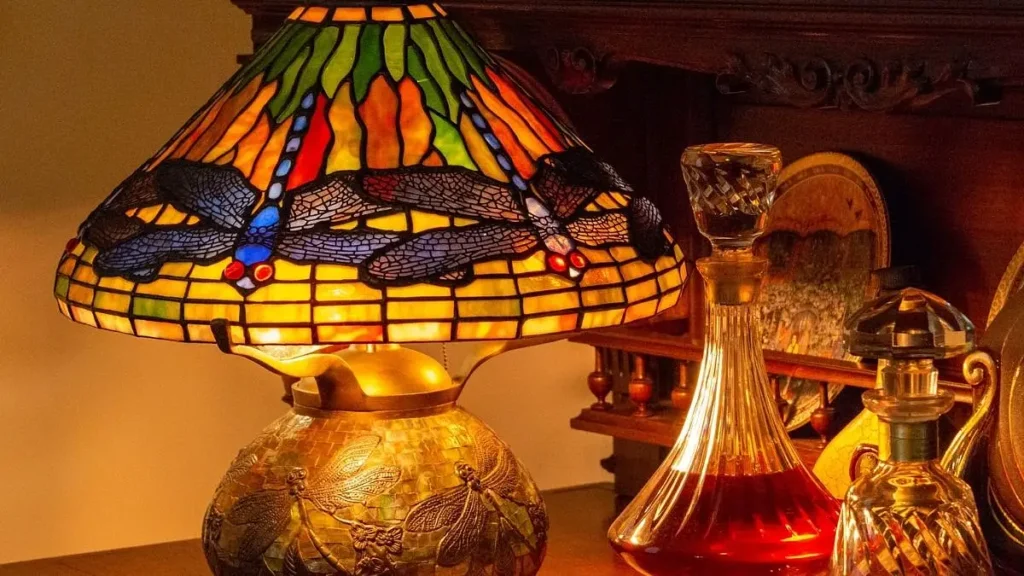
A good lamp can make a plain nightstand, console table, or reading corner look styled in seconds.
That is why vintage lamps and statement lighting can carry strong resale value. Buyers see the change right away.
Look for ceramic lamps, brass lamps, glass lamps, Murano inspired shapes, pleated shades, and mid century bases. Sculptural forms are strong right now.
House Beautiful reported that statement chandeliers are a major 2026 design focus. The article called out vintage Murano glass and sculptural metal pendants as designer favorites.
That does not mean every old light is worth buying. Wiring matters. A beautiful lamp with unsafe wiring becomes a project.
Test table lamps before you list them. Show the lamp on and off. Buyers need proof that it works.
For chandeliers or sconces, be honest. Say if the piece needs hardwiring or professional install. That builds trust.
A strong base with a weak shade may still be worth buying. A fresh pleated shade can make an old lamp feel current again.
Do not overspend on the shade before checking sold listings. Sometimes the buyer already wants to use their own shade.
Glass lighting needs careful packing. Fragile shades, glass drops, and thin arms can eat profit through breakage.
For heavier chandeliers, local resale often protects the margin. You avoid shipping claims and oversized box costs.
Real product examples help set buyer expectations. A CB2 sculptural table lamp may retail around $179–$399. A vintage ceramic lamp sourced for $35 can feel like a stylish deal at $120 if it photographs well.
West Elm style brass lamps often have broad appeal too. Buyers know the look, even when the piece is vintage or unbranded.
Best listing keywords include brass lamp, ceramic table lamp, pleated shade lamp, mid century lamp, vintage chandelier, and statement lighting resale.
Lighting brings the mood, but rugs bring the room together.
Vintage Rugs, Runners, and Textile Pieces With Real Resale Value
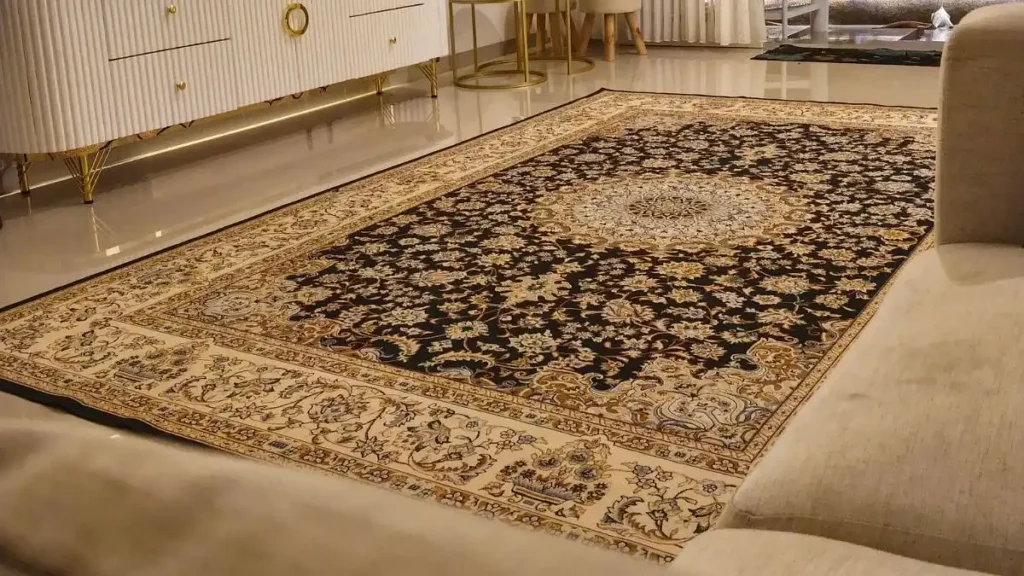
Buyers want rooms with character, but new rugs with vintage style can cost a lot.
That gap creates resale room for vintage rugs, runners, and textile decor. Pattern, material, size, and condition decide the value.
Persian style rugs, Turkish rugs, wool runners, small accent rugs, and flatweaves are strong candidates. Smaller pieces are easier to clean, photograph, and ship.
A large rug may bring more money, but it can carry more risk. Odor, pet hair, staining, and heavy shipping can cut into profit.
For Turkish rug resale, size matters. Runners work well because buyers use them in hallways, kitchens, bedrooms, and entry areas.
Small rugs also photograph well. Lay them flat in natural light and show the corner, fringe, pile, and back.
Check the material tag when there is one. Wool usually has better value than thin synthetic fabric.
No tag does not mean no value. Feel the weight, bend the rug, and look at the weave from the back.
Textiles go beyond rugs. Quilts, embroidered linens, woven wall hangings, and framed textile pieces can sell to buyers who want softness and age.
Better Homes & Gardens has noted antique textiles, framed vintage items, and pattern rich decor as part of the vintage decor revival. That supports demand for pieces with texture and history.
Still, condition is the deal breaker. Buyers may accept fading if the colors are beautiful. They rarely accept odor.
Avoid rugs with strong musty smells unless you know how to clean them. Cleaning can cost more than the rug.
Fringe damage should be shown clearly. Small wear can be fine, but missing chunks need honest photos.
Best listing keywords include vintage rugs, Turkish rug, wool runner, Persian style rug, textile wall hanging, and handwoven decor.
Once you learn to read rugs and textiles, wall decor becomes another strong margin category.
Art, Frames, and Gallery Wall Pieces Worth Grabbing

Thrift store art is often underpriced because the store prices the frame, not the style story.
That is good news for resale. Vintage art resale can have strong margins when the subject, frame, and size feel current.
Botanical prints, landscapes, needlepoint, textured paintings, framed maps, and old book plates all work well. These pieces help buyers build a layered home.
Vintage frames alone can be worth buying. A solid wood frame, carved gold frame, or bamboo frame may sell even if the print is weak.
Look closely at the frame corners. Loose joints, broken glass, and water damage can make the piece harder to sell.
Mass produced prints are not always bad. But they need a good frame, clean glass, or a subject people still want.
Gallery wall sets can raise average order value. Group pieces by color, theme, frame tone, or room mood.
For example, three small botanical prints may sell better together than alone. The buyer sees an easy wall plan.
Needlepoint and textured art are also getting fresh attention. Veranda’s 2026 thrifting trend coverage includes eclectic art collections, needlepoint, textured paintings, and decorative plates for walls.
Better Homes & Gardens has also highlighted framed vintage items, maps, book pages, and textured pieces as part of current vintage decor interest.
Use simple styling. Place art on the floor near a sofa, console, bed, or chair. Buyers need scale.
Do not crop the frame. Show the full piece, the back, and any signature or maker label.
Good listing keywords include thrifted art, gallery wall decor, framed prints, vintage landscape, botanical print, needlepoint art, and vintage frame.
Art gives you wall impact, but small objects can give you faster shipping profit.
Small Decorative Objects With Big Margin Potential

A basket of small finds can hold more profit than one heavy piece of furniture.
Brass, ceramic, silver, woven, wood, and stone accents are easy to source. Many stores still price them low.
This is where high profit home decor finds often show up. Small decor costs less to buy, less to store, and less to ship.
Look for brass candleholders, silver bowls, ceramic vases, baskets, bookends, trays, decorative boxes, and stone objects.
Better Homes & Gardens reported that designers still recommend baskets, ceramics, vintage frames, mirrors, metal accents, and solid wood pieces as lasting thrift finds.
Veranda’s 2026 thrifting trend coverage also includes ornate candle holders, decorative plates, ceramics, silver accessories, baskets, and solid wood side tables.
Sets often sell better than singles. Two brass candleholders feel useful. Five mixed brass candleholders feel like a ready mantel.
The same works for baskets, small trays, and ceramic bud vases. Group items by material, color, or use.
Natural materials help value. Buyers like patina, hand thrown texture, woven detail, real stone, and aged metal.
Avoid fragile pieces with chips unless they are rare or clearly collectible. Most buyers want charming, not broken.
Small decor needs strong photos. Buyers cannot feel the weight online, so your images must show texture.
Use books, linen, wood, or a clean shelf as the background. Keep the styling simple and bright.
Real product examples can help you price. A new West Elm decorative tray may run $49–$129. A thrifted brass tray bought for $8 can look fair at $45 when polished and styled.
Coffee table books can also work. Choose design, fashion, travel, garden, architecture, or art titles with clean covers.
Best keywords include small decor resale, brass decor, ceramic decor, thrifted home accents, vintage tray, decorative box, and coffee table books.
Small decor is great for margin, but compact furniture can raise your dollar profit.
Furniture Accent Pieces That Resell Better Than Bulky Sofas

Compact furniture works because buyers want impact without moving a full room of furniture.
Side tables, stools, benches, accent chairs, nesting tables, and small cabinets often sell better than bulky sofas. They feel useful and manageable.
This is where vintage decor resale value crosses into furniture. The item still acts like decor, but the resale price can be higher.
Look for solid wood, cane, rattan, bamboo, faux bamboo, bentwood, and simple mid century shapes. These materials photograph well.
A vintage side table can style a sofa corner, bed, entryway, or reading chair. That wide use makes it easier to sell.
Kaiyo’s 2023 furniture trend report found that West Elm was the most in demand brand on its platform. CB2, Article, TOV, and Urban Outfitters also ranked among top brands, according to Real Simple’s coverage of the report.
The same report said a mid century modern cabinet sold in 5 minutes on Kaiyo. Contemporary accent mirrors and Hay stools also sold in under 15 minutes.
That matters for resellers because shape and brand recognition can move a listing faster.
West Elm mid century nightstands, CB2 accent tables, and Design Within Reach chairs are useful examples. New or used prices vary, but resale buyers often search these names.
A West Elm style side table sourced for $60 may list around $175–$275 if the finish looks clean.
A CB2 inspired sculptural accent table bought for $75 may list near $180–$350, depending on material and condition.
A Design Within Reach accent chair can reach much higher prices, but sourcing cost is usually higher too. Check sold comps before buying.
Avoid upholstered pieces with odor, deep stains, or pet damage. Fabric problems are harder to fix than wood scuffs.
Wood scratches are easier. Cane breaks, loose legs, and water rings need closer judgment.
Always note maker marks, joinery, weight, material, and size. Buyers feel safer when the listing sounds specific.
AptDeco says sellers can sell in less than 10 days and buyers can save up to 70 percent on used, new, and vintage furniture and decor. That shows how strong the value message is in resale furniture.
Now that the strongest categories are clear, use a quick buy or walk away system before paying.
| Item type | Buy it when | Walk away when | Best buyer keyword | Best room to style it in | Photo tip |
|---|---|---|---|---|---|
| Mirror | Frame feels special | Glass is cracked | Antique mirror resale | Entryway | Show frame close up |
| Lamp | Wiring works | Socket feels loose | Vintage lamps | Bedroom | Show light turned on |
| Rug | Pattern hides wear | Odor is strong | Vintage rugs | Hallway | Show back and fringe |
| Art | Frame adds value | Water damage spreads | Gallery wall decor | Living room | Shoot straight on |
| Brass decor | Weight feels solid | Dents look sharp | Brass decor | Mantel | Group in odd numbers |
| Side table | Legs feel sturdy | Veneer is peeling | Vintage side table | Sofa corner | Show scale beside chair |
Small furniture can be the best middle ground. It gives you better dollar profit without the burden of a bulky sofa.
Conclusion: Turn Resale Guesswork Into a Simple Buying System

The strongest resale pieces share three traits. They are useful, stylish, and hard to find new with the same character.
Mirrors, lighting, rugs, art, small decorative objects, and compact accent furniture give you a smart place to start. Each category has clear buyer demand and strong styling power.
Do not buy only because something looks pretty. Check the price, condition, size, shipping risk, and sold comps first.
Choose one category this week. Track sold prices for 7 days. Then buy only pieces that match demand, condition, and your shipping comfort.
That is how you turn decor resale margins from guesswork into a repeatable buying system.