

Leila stared at her credit card statement while sitting on a trendy rug she could not afford. She desperately needed a minimalist home design intervention. Her spare bedroom was packed with seasonal pillows and clearance bins.
She felt suffocated by her own purchases, and her bank account showed zero progress. Every new paycheck vanished into decorative items that just created more mess.
This article reveals the exact rules Leila used to clear her space. It shows how she sold the excess and finally eliminated $22,000 of consumer debt.
The Hidden Financial Cost of Clutter

Leila realized her visual mess carried a heavy price tag. She spent hours organizing items she never actually used. Every weekend went toward dusting and rearranging things.
This constant maintenance drained her energy completely. The hidden costs extended beyond the actual price tags. She bought expensive storage bins just to hide her seasonal decorations.
She purchased specialty cleaning supplies for delicate items she rarely enjoyed. Her messy room perfectly mirrored her chaotic bank account. She read a 2023 report from the National Association of Productivity and Organizing Professionals.
It stated that most Americans feel severely overwhelmed by their own clutter. Leila definitely fit into that alarming statistic. She kept buying cheap accent chairs to make herself feel better.
She purchased seasonal wall art to fill empty spaces. But the initial shopping thrill faded very quickly. The items just stacked up in corners and gathered dust.
These endless purchases created a vicious cycle of financial stress. The minimalist living benefits she read about seemed impossible to achieve. She decided to calculate the actual money sitting unused in her living room.
The total calculation shocked her completely. Those fast furniture pieces added up to thousands of dollars. She knew she had to change her destructive shopping habits immediately.
She stopped seeing her clutter as a simple decorating mistake. She started seeing it as stolen financial freedom. Every unused item represented money she could have put toward her massive debt.
She realized that maintaining a cluttered home is a part time job. She spent her precious Saturday mornings shifting piles of stuff from one room to another. She wanted her weekends back just as much as she wanted her money back.
Liquidating Excess Decor for Fast Cash

Leila decided to view her clutter as trapped cash. She began identifying valuable pieces she no longer needed. Her first step was pulling everything out of the closets.
If an item lacked a specific purpose, she marked it for sale. She learned about the resale value of gently used furniture from a 2024 Apartment Therapy survey. The data showed that well maintained items often sell for 50 percent of their retail price.
Leila created seller accounts on platforms like Facebook Marketplace. She took clear photos in bright natural light to attract local buyers. She wrote detailed descriptions including the exact dimensions of every piece.
She researched exactly how to write the best listing descriptions. She always included the brand name and the original retail price in her listings. This transparency helped buyers see the massive value they were getting.
She priced her items competitively to ensure incredibly quick sales. She wanted the items gone fast so she could pay down her credit cards. She set a firm mathematical rule for pricing her used goods.
She listed items at exactly 40 percent of their original retail price. This strategy worked perfectly and buyers responded almost immediately. She sold a velvet accent chair for $150 on her very first day.
Here is a breakdown of the actual items Leila sold during her first month.
| Item Sold | Original Price | Resale Price | Platform Used |
| Tufted Accent Chair | $350 | $150 | Facebook Marketplace |
| Geometric Area Rug | $200 | $80 | Facebook Marketplace |
| Brass Floor Lamp | $120 | $50 | OfferUp |
| Set of Wall Mirrors | $90 | $40 | Facebook Marketplace |
| Wood Entryway Bench | $250 | $100 | Craigslist |
| Ceramic Planter Set | $75 | $30 | Facebook Marketplace |
She earned over $800 in her first month just by clearing out one single room. This early financial success motivated her to keep pushing forward. Her apartment started to feel much lighter and highly intentional.
She began to see the massive value of an intentional living space. She realized that empty space looked infinitely better than cheap decorations. This selling process taught her to detach emotionally from physical objects.
She no longer felt guilty about getting rid of gifts. She let go of expensive mistakes without any remorse. Her burning desire to become debt free was stronger than her attachment to things.
The One In One Out Decorating Rule

Leila needed a reliable way to protect her newly cleared spaces. She adopted the absolute simplest rule for maintaining a clean home. The rule dictates that for every new item brought inside, an old item must leave.
This firm guideline instantly stopped her daily impulse buying habit. Whenever she felt tempted by a clearance sale, she paused immediately. She forced herself to choose which existing item she would sacrifice.
Most of the time, she liked her current items much more than the new object. This strict physical boundary protected her growing bank account. Minimalist home design requires setting firm boundaries around what enters the house.
Leila learned this vital lesson while shopping at a local home goods store. She found a beautiful woven basket priced at $45. Her old self would have tossed it into the cart without thinking twice.
But the new rule forced her to evaluate the true worth of the basket. She asked herself what item she would donate to make room for it. She realized she had no extra space and nothing she wanted to discard.
She left the basket on the shelf and walked right out of the store. That $45 went straight toward her debt payoff plan instead. Constraints breed pure creativity and force an appreciation for current belongings.
This rule also forced her to face her emotional shopping triggers. She realized she often browsed online stores when she felt stressed at work. She replaced this expensive habit with reading books from the local library instead.
She stopped browsing home decor websites during her daily lunch breaks. She unsubscribed from store emails that promoted constant weekly sales. She removed the digital temptation to buy things she did not actually need.
Her home finally felt peaceful because it was no longer overflowing with stuff. She learned that true minimalism is entirely about intentional choices. It is about keeping only the things that serve a specific daily purpose.
Choosing Quality Over Fast Furniture
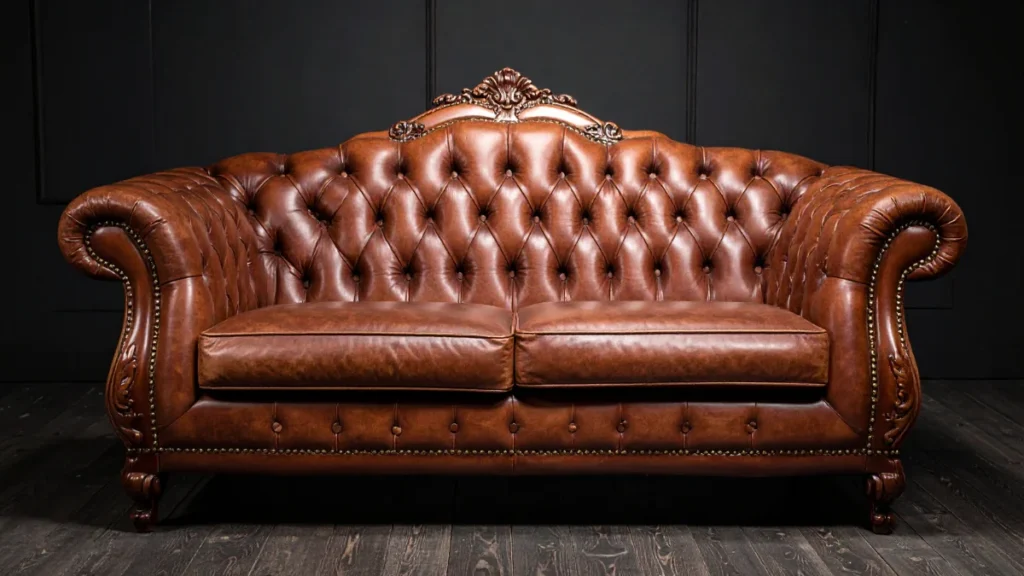
Leila eventually needed to replace a broken, sagging couch in her living room. She previously bought cheap furniture that fell apart after only two years. This exhausting cycle of buying fast furniture constantly drained her wallet.
She decided to adopt a serious investment mindset for purchasing core pieces. She read professional organizer Shira Gill who advocates for this exact approach. Gill suggests that buying fewer, better things ultimately saves significant time and money.
Leila started researching high quality living room staples online. She found a 2024 Houzz study showing the average living room furnishing cost exceeds $5,000. She knew she could not afford that much, but she wanted one solid piece.
She started a dedicated sinking fund just for a brand new couch. She saved a specific amount from every single paycheck until she reached her goal. She finally purchased a highly durable Article Sven Sofa for $1,299.
This was a massive purchase, but she paid in cash without using credit. The beautiful sofa anchored the room and eliminated the need for extra decorations. She paired this major investment piece with an affordable baseline item.
She used a simple IKEA Billy Bookcase priced at $89 for her book collection. Mixing high and low price points is a classic budget friendly decor strategy. This specific approach creates a beautiful space without breaking the bank.
Here is a cost comparison showing why quality pieces win over time.
| Decorating Approach | Items Purchased | Initial Cost | 5 Year Total Cost |
| Trendy Seasonal Decor | Cheap Pillows and Wall Art | $300 per year | $1,500 |
| Minimalist Staples | One High Quality Armchair | $800 once | $800 |
Buying better items less frequently also provides a major environmental benefit. Less broken furniture ends up sitting in local city landfills. Leila felt incredibly proud of her sustainable and financially smart choices.
She completely ignored the fast changing seasonal trends pushed by social media influencers. A classic design style naturally protects your bank account from constant updates. She felt a deep sense of relief knowing her living room looked completely finished.
Repurposing Pieces She Already Owned
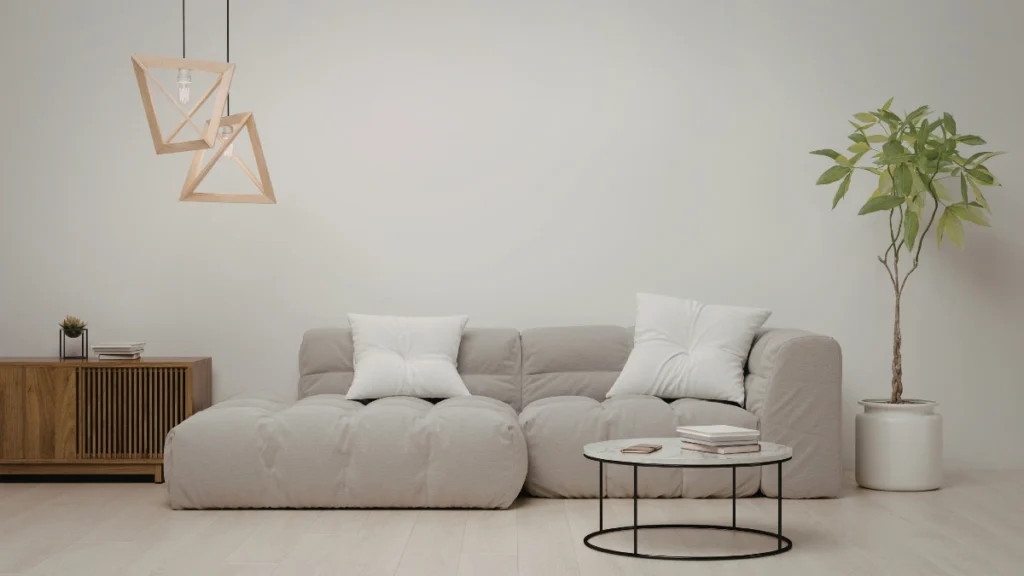
Leila learned to strongly challenge her immediate urge to buy new things. She started shopping her own home before visiting any retail stores. She realized that moving an item to a new room completely changes its impact.
A cramped bedside table became a perfect minimalist plant stand in the hallway. An unused dining bench became a stylish entryway drop zone for her keys. Author Joshua Becker notes that the most sustainable item is the one you already own.
Leila took this expert advice to heart during her intense debt payoff phase. She found highly creative ways to update her existing furniture. This budget friendly decor tactic saved her thousands of dollars over the entire year.
She stopped seeing old items as trash and started seeing them as raw materials. She discovered the massive financial power of a simple can of paint.
Here are three simple repurposing projects Leila used to save serious money.
DIY Furniture Revival
Transformative upcycling strategies for dated pieces.
The Matte Makeover
She painted a scratched wooden dresser with a fresh coat of matte black paint to instantly modernize its silhouette.
Open Cabinetry
She removed the bulky doors from an old kitchen cabinet to create airy, open display shelving for her favorite ceramics.
Tactile Upholstery
She recovered her worn dining chair cushions using a highly durable, textured heavy canvas drop cloth.
These fast projects cost less than $50 in supplies but transformed her space completely. She did not need to buy a new bedroom set or expensive dining chairs. The specific money saved from not buying replacements went directly to her debt.
She felt highly empowered by her new skills and growing resourcefulness. She realized that personal creativity is a much better tool than a credit card. Her home began to reflect her personal effort rather than her raw spending power.
These small projects taught her how to care for her belongings properly. She learned that a little bit of effort easily replaces a lot of spending. Her confidence grew with every single piece she successfully transformed by hand.
She loved the unique character her repurposed pieces brought to her small apartment. It looked far better than a generic showroom floor from a catalog. She built a home with soul while completely destroying her debt.
Building Wealth Through Intentional Spaces
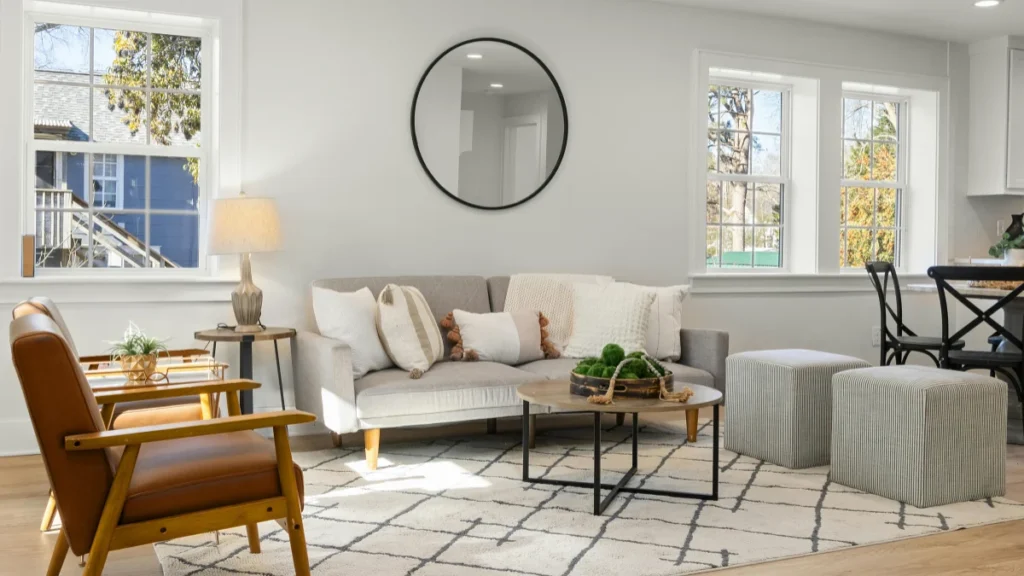
Leila experienced a massive emotional shift from being a consumer to becoming a curator. She no longer bought things to fill an emotional void or follow a trend. She focused entirely on building true wealth and securing her future.
She read a 2024 NerdWallet report showing the average American credit card debt exceeds $8,000. She knew exactly how terrifying that heavy financial burden felt every single day. But by radically changing her environment, she changed her entire financial trajectory.
She paid off her entire $22,000 debt balance in exactly 18 months. Her intentional living space created the deep focus she needed to succeed. A calm physical environment directly reduced her daily stress and her desire to shop.
Her relationship with money changed permanently during this intense decluttering process. She now values deep financial security far more than interior design trends. She looks at her bright and peaceful living room with profound daily gratitude.
The clear empty space represents her hard work and her ultimate financial freedom. She built real wealth simply by choosing to buy less and live better. The physical clarity in her home led directly to lasting financial clarity.
The process completely rewired her brain and her daily habits. She no longer seeks a temporary dopamine rush from buying small decorative items. She finds true joy in the quiet and calm atmosphere of her organized apartment.
Leila deeply believes that anyone drowning in debt should look at their surroundings. The answer to major financial problems might be sitting right in the living room. Clutter is simply a physical manifestation of delayed financial decisions.
Leila totally transformed her life by mastering three very simple concepts. She sold her excess clutter to generate fast cash for her highest interest balances. She stopped impulse buying by enforcing strict rules about what entered her home.
Finally, she chose to invest in high quality items instead of replacing cheap goods. These small daily choices completely eliminated a massive financial burden from her shoulders. Anyone can replicate her exact success starting right now.
She recommends picking one single room and finding three items to sell this weekend. List them online and put that cash directly toward a credit card balance. True financial freedom is the absolute best result of minimalist home design.