
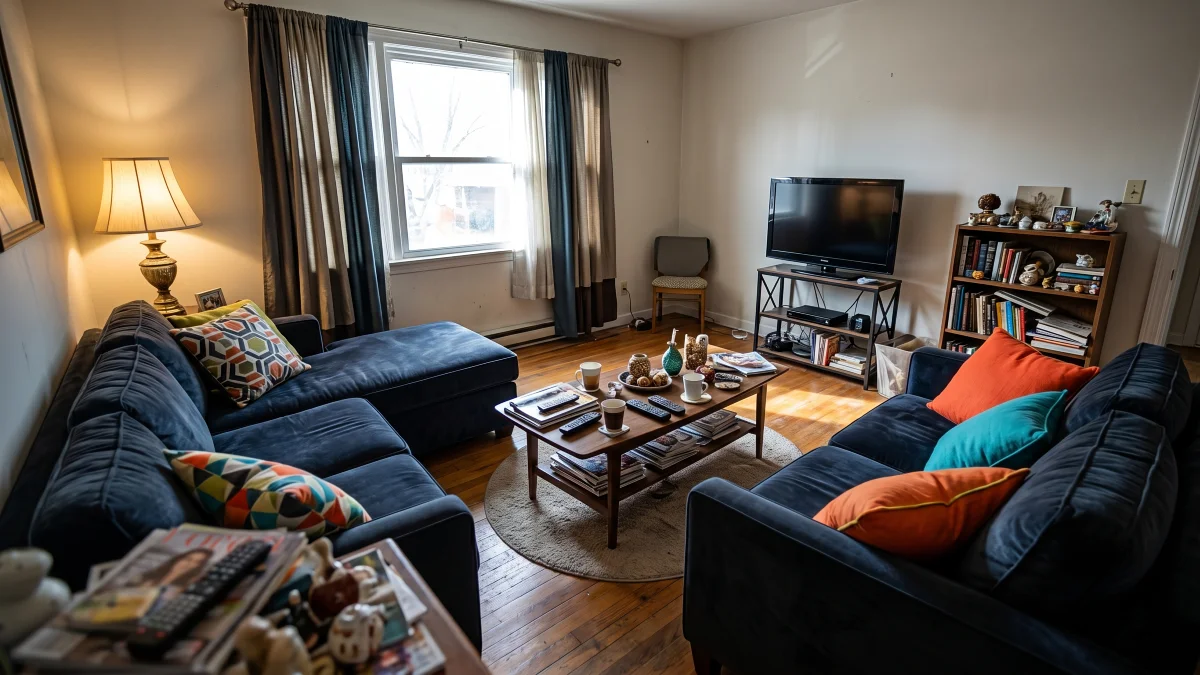
You spend hours scrolling and hundreds of dollars on furniture. Yet your living room still feels like a stiff waiting area.
You buy beautiful pieces, but the room looks cluttered and disconnected. Ignoring the basic rules of scale and placement ruins your hard work. It is extremely frustrating to waste your money on a space that never feels quite right.
You do not need a professional designer. You just need the math behind the magic. We will break down 5 common decorating mistakes and give you exact measurements to fix them. Start building a cozy space today.
1. Buying the Mammoth Sectional
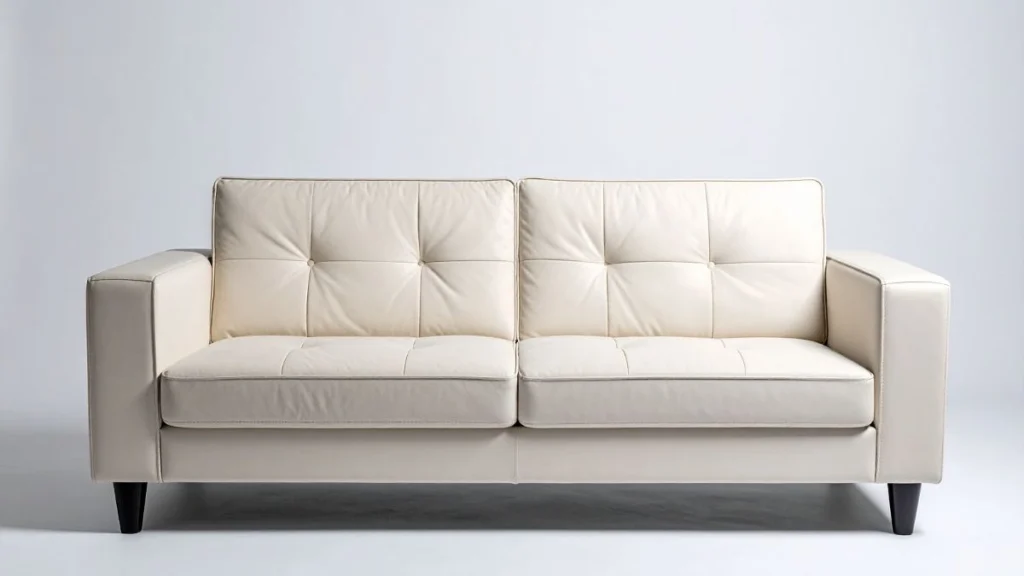
Picture this. You buy a massive deep seated sofa. It gets delivered, and suddenly your room feels like a cramped closet. The sofa completely blocks your natural walkway.
Because of this visual disconnect, your next step should be evaluating your space before you buy. The 2026 design consensus is shifting away from oversized puffy furniture.
People now prefer low architectural silhouettes. Deep seating often over 1 meter eats up all your walkable square footage.
Why it Fails
A giant sectional throws off the balance of the entire room. You cannot move freely. It violates basic living room layout rules. You need the right size sofa to keep the room functional and airy.
How to Fix It
You must measure the room and map out walkways first. You can even use AI room visualizer apps like REimagineHome. These tools let you virtually place furniture into your exact room dimensions before buying.
The Fix:
Spatial Blueprint
Room Layout Fundamentals
Standard Walkways
Leave 30 to 36 inches of clearance to ensure comfortable and unobstructed movement.
Floor Testing
Use painter’s tape on the floor to accurately visualize and test the sofa’s footprint.
Proportional Fit
Choose a sofa depth that fits your actual room scale, avoiding overly bulky furniture.
2. The Postage Stamp Rug Trap
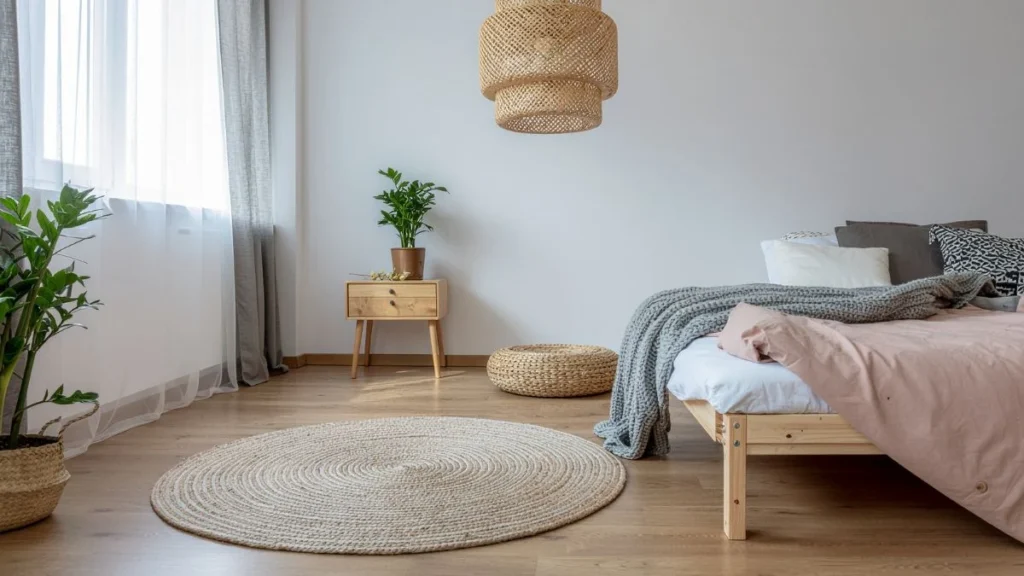
Think about a living room where a tiny rug sits right under the coffee table. The rug looks like a small island floating alone. It makes the rest of the furniture feel completely disconnected.
Because of this visual disconnect, your next step should be sizing up your textiles. A standard 5×8 rug is almost always too small for a primary living space. It makes the room look disjointed and smaller. Proper rug placement is crucial for grounding the space.
Why it Fails
When furniture legs sit completely off the rug, the eye stops abruptly. This makes the floor space look smaller than it is.
How to Fix It
You need to follow the front legs on rule for anchoring furniture. At least the front legs of every piece should rest on the rug. Following interior design trends 2026, you can try layering a smaller vintage rug over a large inexpensive jute or sisal rug. This is a very budget friendly option.
The Fix:
- Avoid the tiny 5×8 rug in main rooms.
- Aim for an 8×10 rug or 9×12 rug.
- Make sure the rug extends at least 6 to 8 inches beyond the sides of your sofa.
3. Defaulting to the Showroom Matching Set
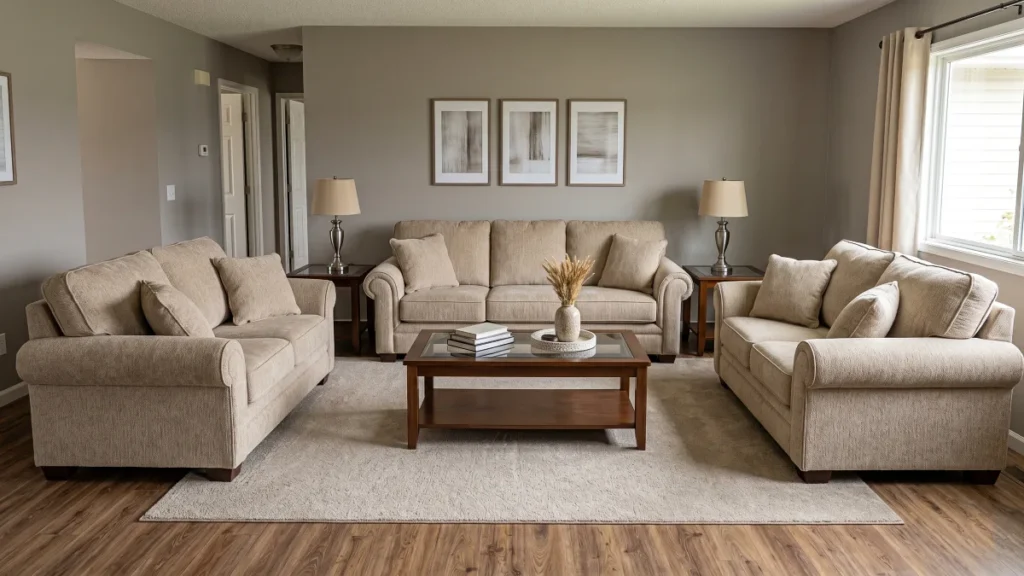
You walk into a home and see the exact same fabric on the sofa, loveseat, and chair. The room feels stiff. It looks exactly like a furniture catalog page with zero personal touch.
Because of this visual disconnect, your next step should be breaking up the sets. Buying matching furniture sets strips a room of all personality.
The 2026 trends heavily favor balanced maximalism. We prefer curated collected storytelling over exact replicas.
Why it Fails
Everything matches perfectly, so nothing stands out. The room lacks depth, texture, and visual interest.
How to Fix It
Mix your textures and styles. Pair a sleek Scandinavian minimalist sofa with a vintage farmhouse accent chair. Blend different wood tones, like the popular dark walnut trend, with soft fabrics like boucle or washed linen.
The Fix:
Curated Eclectic
Anti-Matchy Interior Styling
Ditch the Bundle
Stop buying the three piece living room bundle to avoid a sterile, showroom appearance.
Layered Fabrics
Create depth and visual interest by deciding to mix at least two different fabric textures.
Dynamic Seating
Bring in contrasting accent chairs to actively break up heavy, matching furniture pieces.
4. Hanging Curtains Too Low and Tight
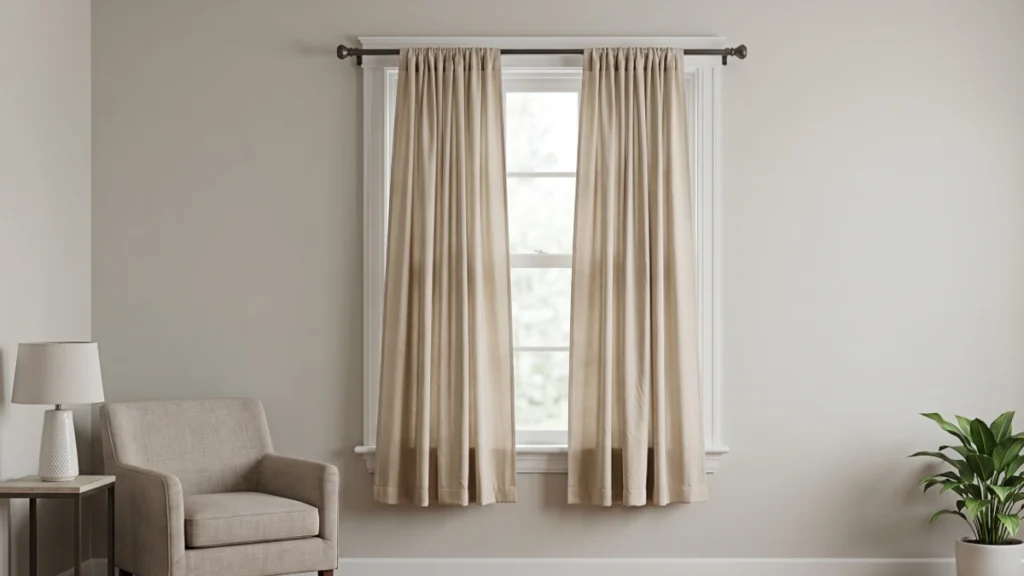
Look at a window where the curtain rod sits right on the top frame. The fabric covers half the glass even when open. The ceiling suddenly looks very low.
Because of this visual disconnect, your next step should be moving your hardware up. Mounting the rod right on the window casing traps the eye.
Why it Fails
Low and tight window treatments block natural sunlight. This goes completely against 2026 biophilic design trends that prioritize natural light. Biophilic design just means bringing natural outdoor elements inside.
How to Fix It
Use the high and wide rule to fake architectural grandeur. This simple trick makes ceilings feel taller and windows look larger. It is one of the easiest living room decorating mistakes to fix today.
The Fix:
- Mount the rod at least 12 inches above the window frame or right at the ceiling line.
- Extend the rod 7 to 14 inches out on each side of the window.
- Let the fabric kiss the floor.
5. Misjudging the Coffee Table Gap and Heights
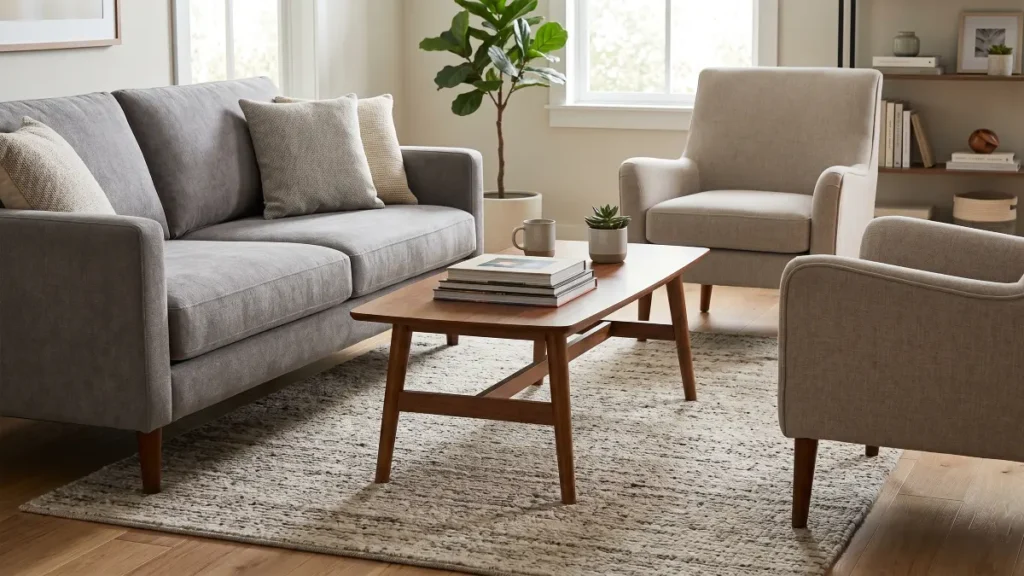
You sit down on the sofa with a hot cup of coffee. You reach out to set it down, but the table is three feet away. You have to stand up just to use the table.
Because of this visual disconnect, your next step should be checking your spacing. Pushing the coffee table too far away makes it completely useless. Pulling it too close creates a frustrating tripping hazard.
Why it Fails
Poor spacing breaks basic living room layout rules. A table that is too tall or too short looks awkward next to the sofa.
How to Fix It
Match the table height to your sofa seat cushions. You also need to integrate true functionality. This is especially important if your living space doubles as a cloffice or closet office work area. You need a functional living room that supports your daily habits.
The Fix:
Coffee Table Ergonomics
Ideal Layout Proportions
Perfect Proximity
Maintain a strict 18 inches gap between the edge of the sofa and the coffee table for easy passage.
Level Alignment
Ensure coffee tables sit within 1 to 2 inches of your sofa seat height for comfortable reach.
Optimal Legroom
Choose a table style that leaves enough room for your legs when sitting naturally.
Conclusion
Great design is a perfect mix of math and magic. The math involves getting your measurements right. The magic is bringing your personal style into the room.
You now know the exact numbers to use for your rugs, curtains, and furniture layouts. Stop letting bad scale and poor placement shrink your space. A few small adjustments can completely transform how your home feels.